
Chinese zodiac (Shēngxiào): the 12‑year animal cycle
Traditional East Asian system that assigns one of twelve animals to a year in a repeating cycle; used for calendars, folk astrology, festivals, and cultural identity across several countries.
The Chinese zodiac, commonly called shēngxiào, is a repeating 12‑year system that links each year with an animal sign. Each animal is associated with people born in that year and appears in calendars, folklore, and popular astrology. The zodiac is not a single belief but a framework that combines a cyclic count of years, symbolic animals, and later overlays of elemental and yin–yang ideas. Individuals are often said to share traits, fortunes, or compatibility patterns based on their birth sign — the zodiac animal.
Image gallery
8 Images


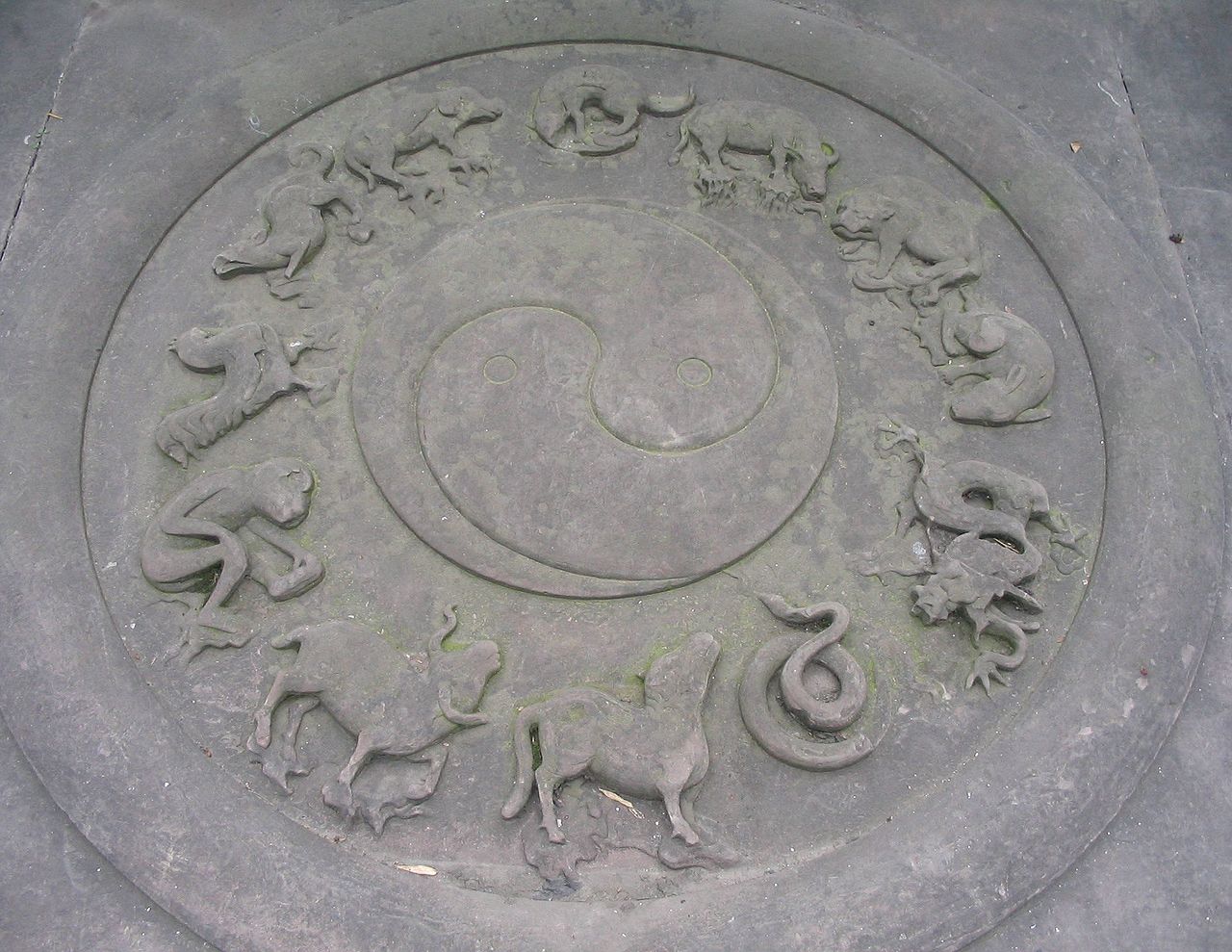


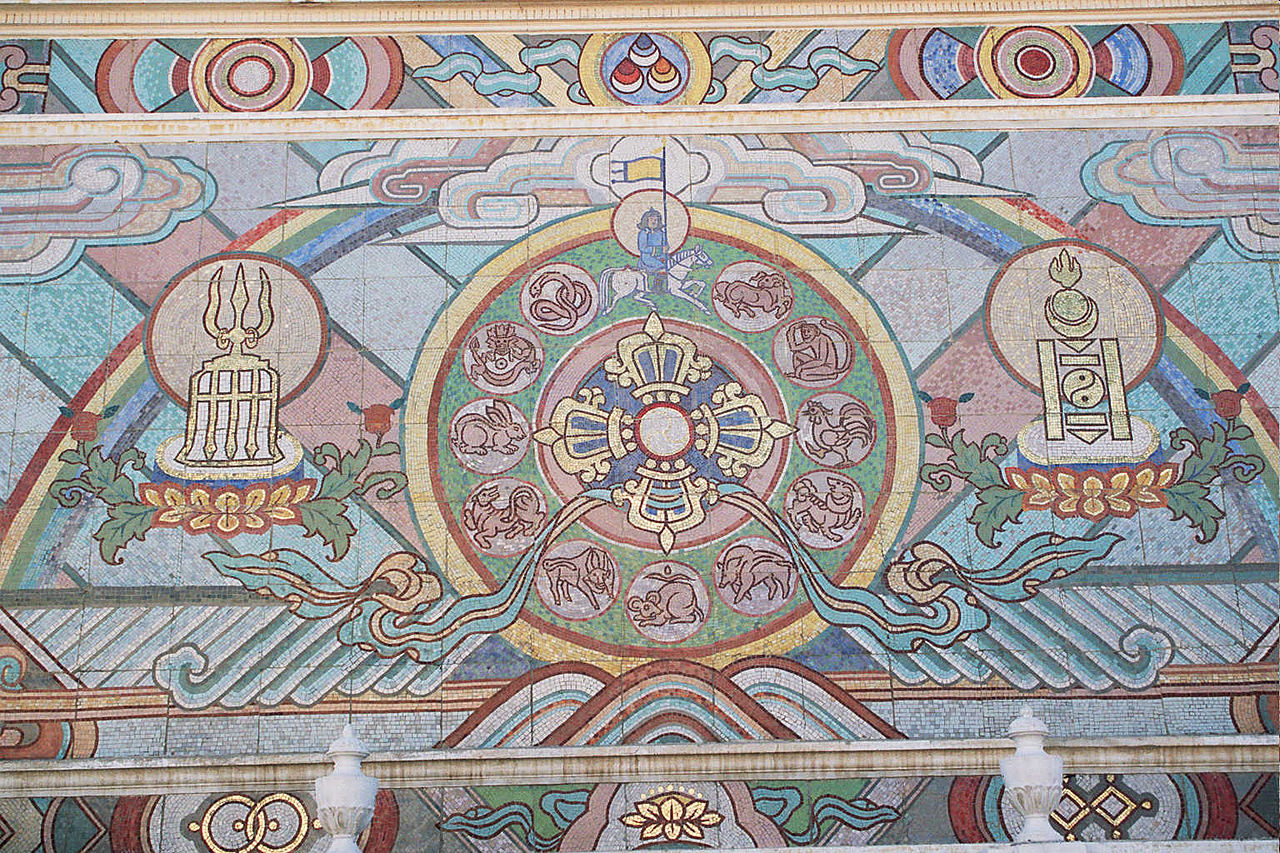

Elements of the cycle
The core is a fixed sequence of twelve animal symbols. In order, the animals are listed below; many texts and artworks show them in this sequence. Each animal corresponds to one year and the cycle repeats every twelve years.
How the cycle is combined and used
Beyond the twelve animals, Chinese calendrical tradition pairs them with ten "Heavenly Stems" (which reflect five elements in yin and yang) to form a 60‑year sexagenary cycle. This combination affects astrological readings and naming of years: an animal plus an element creates a distinct year identity. The zodiac is used in birth‑year references, fortune telling, compatibility tables, and New Year decorations.
History and regional variations
The system has deep historical roots and became institutionalized during early imperial eras. It spread across East and Southeast Asia and was adapted locally. For example, the same basic cycle appears in Korea and Japan, while in Vietnam the Cat often replaces the Rabbit in local tradition. Different cultures may emphasize different legends, names, or calendar rules.
Uses, cultural significance, and modern presence
People consult the zodiac for festive symbolism, such as decorating for Lunar New Year, choosing auspicious dates, or describing personality traits and compatibility in social contexts. Commercial and popular culture references are widespread: zodiac imagery appears on gifts, signs, and media. Scholarly and popular treatments distinguish between folkloric attributions and formal calendrical functions — the latter being important for tracing historical records and agricultural scheduling.
Questions and answers
Q: What is the Chinese zodiac?
A: The Chinese zodiac is a mathematical cycle of 12 animals which represents each year.
Q: How are people associated with the zodiac animal?
A: People are associated with the zodiac animal for the year they are born.
Q: What are the 12 animals in the Chinese zodiac?
A: The 12 animals in the Chinese zodiac in order are: Rat, Ox, Tiger, Rabbit, Dragon, Snake, Horse, Goat, Monkey, Rooster, Dog, and Pig.
Q: Is the Chinese zodiac only used in China?
A: No, this system is also used in several other countries in Asia such as Korea, Japan, and Vietnam.
Q: How does the Chinese zodiac work?
A: Each animal represents one year, and people born in that year are associated with that animal.
Q: What animal is associated with the year 2021?
A: The animal associated with the year 2021 is the Ox.
Q: Can people be associated with more than one zodiac animal?
A: No, people are only associated with one zodiac animal based on the year they are born.
Tags
Related articles
Author
AlegsaOnline.com Chinese zodiac (Shēngxiào): the 12‑year animal cycle Leandro Alegsa
URL: https://en.alegsaonline.com/art/19785