
Charles George Gordon: British officer, administrator and the fall of Khartoum
Overview of Charles George Gordon (1833–1885), his military career, governorship in the Sudan, death during the Mahdist uprising, and his complex Victorian legacy.
Charles George Gordon (28 January 1833 – 26 January 1885) was a British Army officer whose career extended beyond conventional service into foreign commands and colonial administration. He became widely known for his energetic, often unorthodox methods and for his death during the uprising led by Muhammad Ahmad, who proclaimed himself the Mahdi. Gordon's life has been examined as a story of duty, personal conviction and the limits of imperial power.
Image gallery
10 Images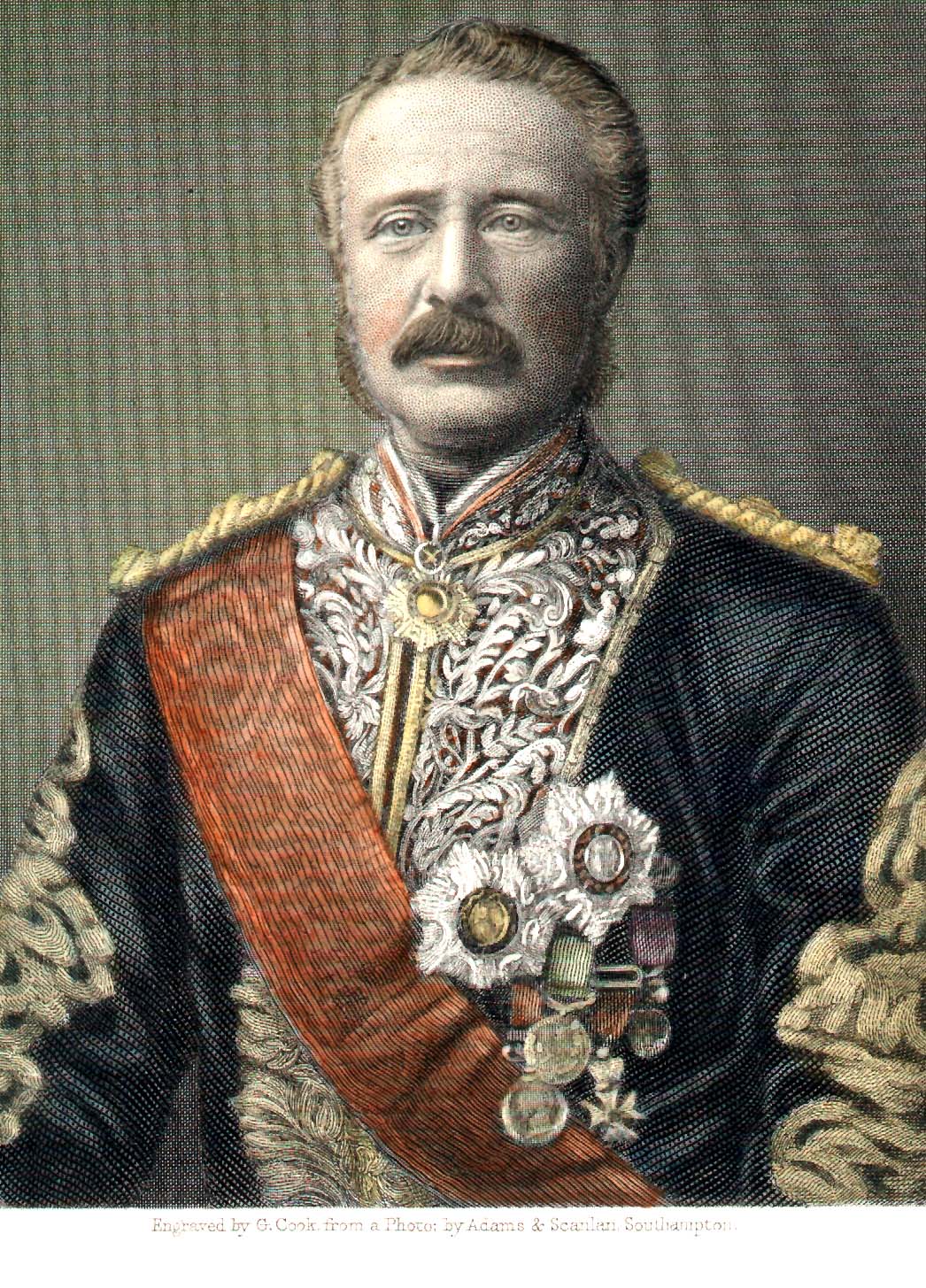

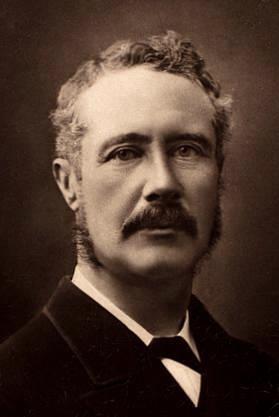


Early career and foreign service
Gordon began as an engineer officer in the British Army and attracted attention for his technical skill and courage. He later accepted roles that blurred the line between formal commissions and private military service. In China he commanded provincial forces against the Taiping rebels and was commonly described in contemporary accounts as a mercenary-style commander in the sense that he led locally raised troops under foreign patronage. These years established his reputation for strict discipline and personal bravery.
Governor of the Sudan and administrative aims
In the 1870s and 1880s Gordon entered Egyptian service and was appointed to senior positions to restore order and reform provincial administration. As a nominee of the Khedive he served as a form of Governor in parts of the Sudan, where he sought to suppress slave trading and reorganize revenue collection. His tenure combined humanitarian rhetoric with authoritarian measures; he could be energetic in relief work yet uncompromising toward rivals and slave networks.
The Mahdist revolt and the fall of Khartoum
Gordon's final mission brought him into direct confrontation with the movement led by Muhammed Ahmed, who had declared himself the Mahdi and led a large popular rebellion against Egyptian rule in the Sudan. Sent to oversee evacuation and protect European and Egyptian interests, Gordon became besieged in Khartoum. The city fell in January 1885 and Gordon was killed by Mahdist forces. His death provoked an intense reaction in Britain and across the empire and became a focal point for debates about imperial policy.
Reputation, controversies and legacy
Gordon emerged after his death as a Victorian icon for many: portrayed as a Christian martyr, a resolute officer who stood against fanaticism, and a tragic figure betrayed by indecisive politics. Historians and contemporaries also criticized his impulsive tactics, moral certainties and occasional disregard for diplomatic constraints. Memorials, books and public campaigns kept his memory alive, while Sudanese perspectives on his administration remain complex.
Why Gordon matters
Studying Gordon illuminates several wider themes: the interaction of European officers with local power structures, the moral and political disputes of late-19th-century imperialism, and the process by which military figures are turned into public heroes or villains. Key aspects to consider include his engineering background, his efforts against slavery, his independent personality, and the political consequences of the Mahdist revolt for the region.
- Military career: professional engineer and field commander.
- Administrative role: Egyptian-appointed governor in the Sudan.
- Final stand: death during the Mahdist capture of Khartoum.
- Legacy: contested Victorian symbol with long shadow in British and Sudanese memory.
For further reading, consult modern biographies and studies of the Mahdist era and late Ottoman-Egyptian administration in Africa. Primary contemporary reactions and parliamentary debates also shed light on how Gordon's death influenced British public opinion and policy.
Questions and answers
Q: Who was Charles George Gordon?
A: Charles George Gordon was a British Army officer and mercenary.
Q: What was Charles George Gordon's role in Egypt?
A: Charles George Gordon served the Khedive of Egypt as Governor of the Sudan.
Q: Who was the rebel that Charles George Gordon was killed by?
A: Charles George Gordon was killed by supporters of Muhammed Ahmed, the Mahdi.
Q: What was the Mahdi rebelling against in Sudan?
A: The Mahdi was rebelling against Egyptian rule in Sudan.
Q: When was Charles George Gordon born and when did he die?
A: Charles George Gordon was born on 28 January 1833 and died on 26 January 1885.
Q: What was the cause of Charles George Gordon's death?
A: Charles George Gordon was killed by supporters of the rebel leader Muhammed Ahmed, the Mahdi.
Q: Did Charles George Gordon have any other notable achievements besides serving as Governor of the Sudan?
A: Besides serving as Governor of the Sudan, Charles George Gordon also became famous for his defense of the city of Khartoum against a siege during the Mahdist Wars.
Related articles
Author
AlegsaOnline.com Charles George Gordon: British officer, administrator and the fall of Khartoum Leandro Alegsa
URL: https://en.alegsaonline.com/art/18719
Sources
- victorianweb.org : "Charles George Gordon (1833-1885): A Brief Biography"