
Chai Chidchob — Thai politician and parliamentary leader
Chai Chidchob (1928–2020) was a Thai parliamentarian from Surin who served as Speaker of the House and President of the National Assembly from 2008 to 2011; a long-serving figure in northeastern Thai politics.
Overview
Chai Chidchob (ชัย ชิดชอบ; RTGS: Chai Chitchop) was a veteran Thai politician born in Surin Province on 5 April 1928. He became widely known as an elder statesman of Thai parliamentary life and held the offices of Speaker of the House of Representatives and President of the National Assembly from 2008 until 2011. His career spanned decades of electoral politics, during which he represented constituents in the northeast and played a role in national legislative affairs.
Image gallery
1 Image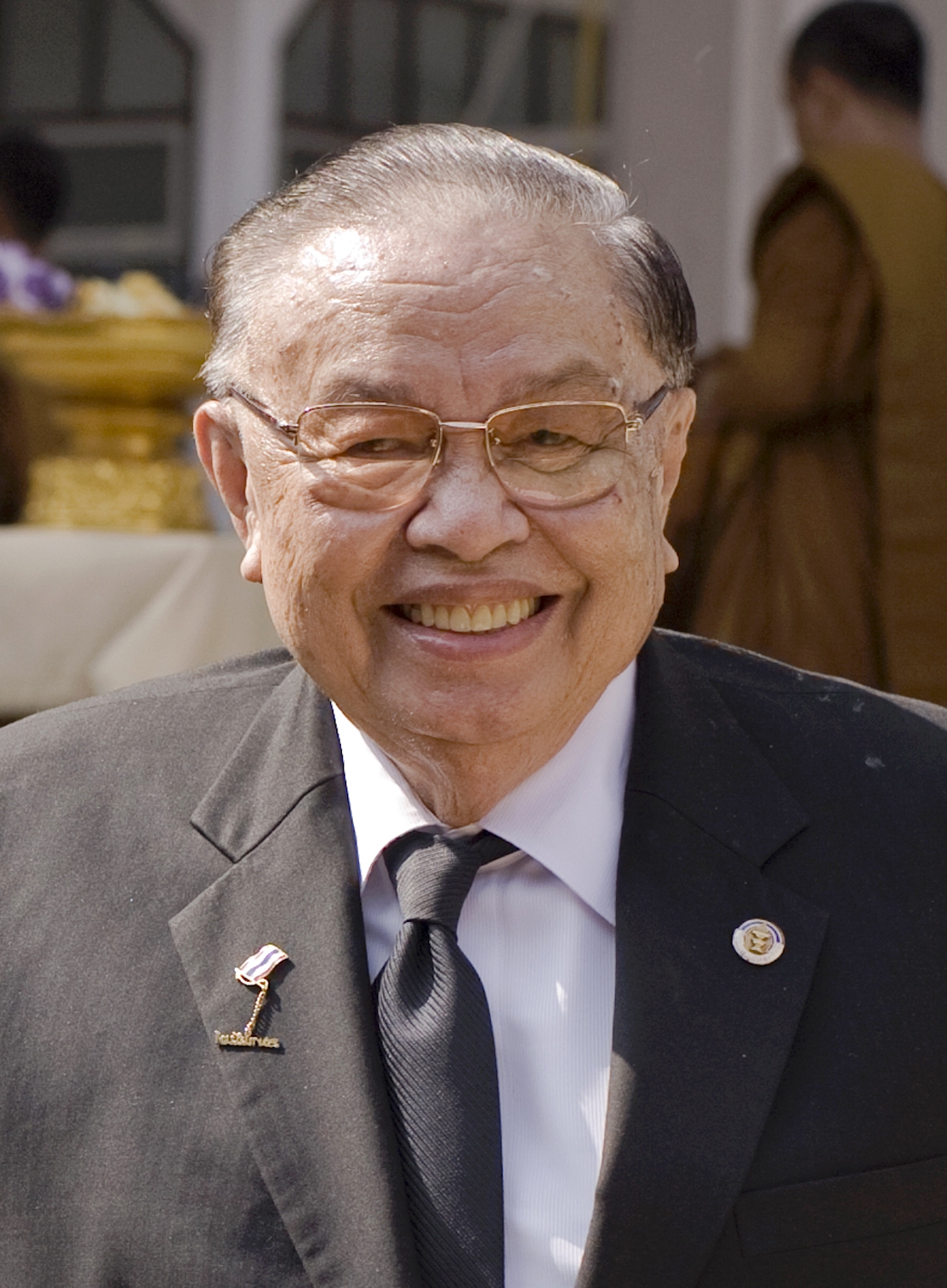
Career and roles
Throughout his public life Chai served in multiple parliamentary capacities. As Speaker he presided over sessions of the lower chamber and, in the capacity of President of the National Assembly, he chaired joint meetings of both houses of the Thai legislature. Those roles gave him responsibility for overseeing debates, enforcing parliamentary procedure and representing the assembly in formal functions.
- Speaker of the House of Representatives (2008–2011) — role overview
- President of the National Assembly (2008–2011) — institutional duties
Historical context
Chai’s tenure at the national leadership level coincided with a turbulent period in Thai politics. The late 2000s and early 2010s saw intense political polarization, mass protests and frequent clashes between rival political movements. As speaker, Chai was charged with maintaining order in the legislature and ensuring that parliamentary procedures continued despite broader social and political upheaval. Observers noted his reputation as a pragmatic figure who drew on long experience in managing parliamentary affairs.
Local base and political style
Originating from Surin in northeastern Thailand, Chai maintained strong ties to his regional constituency and was identified with the political networks and patronage systems common to Thai provincial politics. He was regarded as a bridge between local interests and the national stage, known for a practical approach to politics and a commanding presence in parliamentary settings.
Death and legacy
Chai Chidchob died on 24 January 2020 in Buriram Province. His passing marked the end of a long political career during which he served as a prominent parliamentary leader and an influential figure in northeastern Thai public life. He is remembered for his stewardship of the legislature during difficult years and for his role as an elder statesman who helped shape the conduct of Thailand’s parliamentary institutions.
Related articles
Author
AlegsaOnline.com Chai Chidchob — Thai politician and parliamentary leader Leandro Alegsa
URL: https://en.alegsaonline.com/art/18327
Sources
- commons.wikimedia.org : Chai Chidchob
- nationthailand.com : "Veteran politician Chai Chidchob dies at 91"