
Chanakya (Kautilya): Ancient Indian Scholar of Statecraft and Economics
Teacher, strategist and adviser to Chandragupta Maurya. Traditionally credited with the Arthashastra, Chanakya shaped early Indian political thought, economics, and administration.
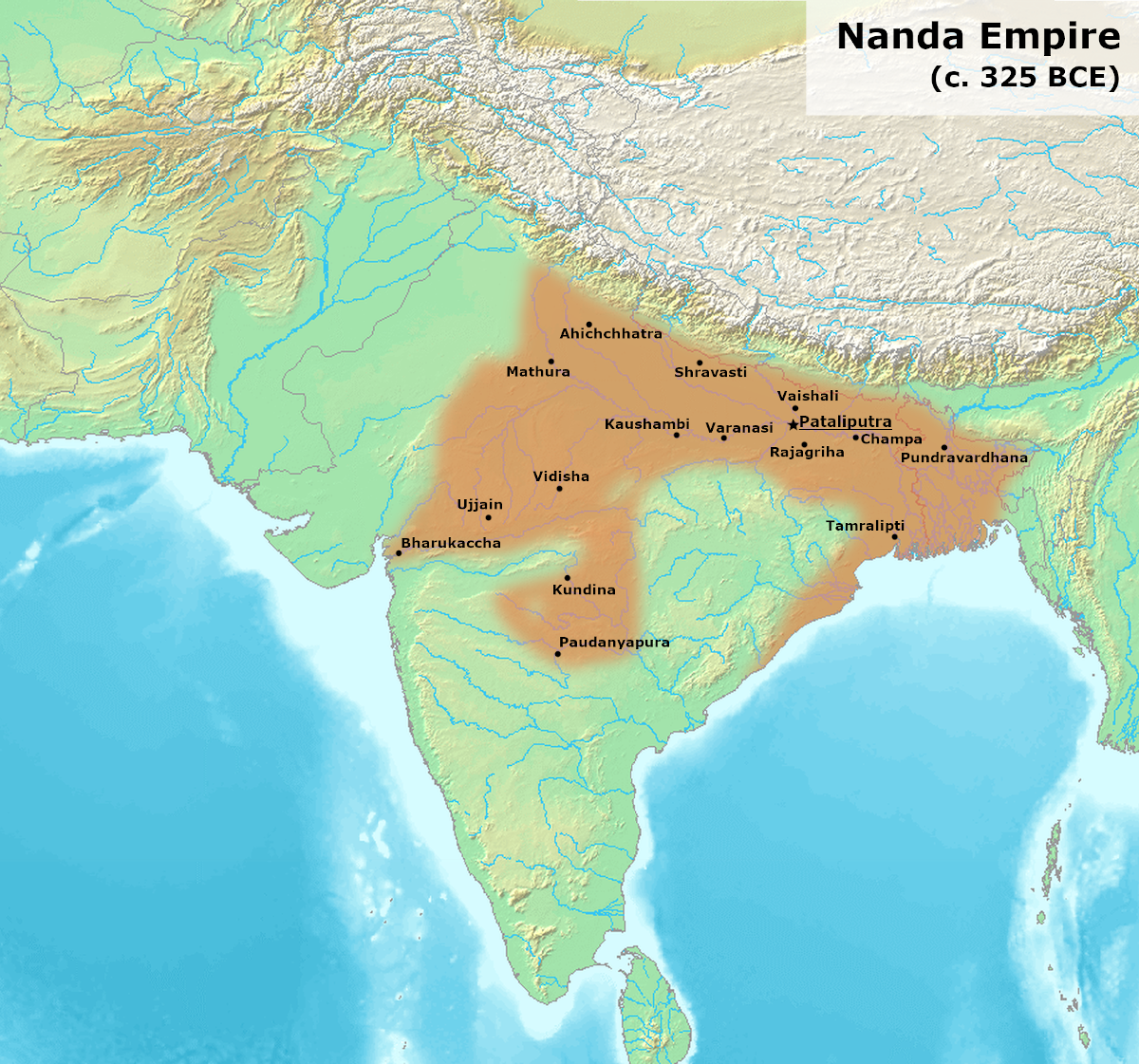
Chanakya — also known as Kautilya or Vishnugupta — is a central figure in ancient Indian political history and traditional accounts of statecraft. He is widely identified as the adviser and prime minister to Chandragupta Maurya, and as a principal architect of the rise of the Maurya Empire. Later traditions also record him as a teacher at the seat of learning in Taxila and as a shrewd strategist. Modern scholarship treats many biographical details as a mixture of historical fact and literary tradition.
Image gallery
2 Images
Name, identity and dating
The name Chanakya appears in Sanskrit and regional sources; he is commonly associated with the personal names Kautilya and Vishnugupta. Most historians place his activity in the 4th century BCE during the period of Chandragupta's rise, though precise dates and the extent of his direct historical role are debated. Sources that refer to him range from contemporaneous inscriptions to later chronicles and commentaries.
Arthashastra and authorship
The work most often attributed to Chanakya is the Arthashastra, a comprehensive treatise on governance, public finance, law, diplomacy and military strategy. The text reads like a practical manual: it treats taxation, administration of villages and cities, trade regulation, intelligence and the duties of ministers. Scholars generally agree that the Arthashastra, as preserved, is a composite text that likely incorporates older and later material; authorship and compilation remain subjects of academic study rather than settled fact.
Key ideas and themes
- Pragmatic statecraft: emphasis on securing the state and managing power through realistic policies rather than idealized norms.
- Economic administration: attention to revenue, agrarian administration and market regulation, which is why Chanakya is often seen as an early theorist in political economy and economics.
- Diplomacy and intelligence: detailed guidance on alliances, treaties and espionage as instruments of policy.
- Institutional roles: prescriptions for organizing ministers, legal procedures and administrative posts.
Influence and later reception
Chanakya's attributed corpus has been influential in South Asian intellectual history and in popular imagination. Readers across centuries have turned to the Arthashastra for insights on governance and realpolitik. Comparisons are sometimes drawn with other long-range thinkers on polity and economics, such as Ibn Khaldun, though such parallels are thematic rather than evidence of direct influence.
Sources and modern scholarship
Reliable information on Chanakya comes from a mixture of textual evidence, archaeological context and later historical tradition. Historians use linguistic study, manuscript comparison and contextual archaeology to date and analyse the materials attributed to him. Critical scholarship emphasizes caution: the figure of Chanakya in popular narratives blends historical, literary and legendary strands, and the Arthashastra itself appears to be a layered document reflecting long-term administrative practices.
Further reading
For introductory overviews consult works on the Mauryan period, the polity of early India, and studies dedicated to the Arthashastra. Online and printed resources from academic collections and reference guides offer accessible summaries and bibliographies; see general treatments and curated materials at links such as reference guides on economics and administration, historical outlines of the Maurya Empire, and entries on Chanakya and the Arthashastra. For comparative perspectives on political thought, see discussions that mention later analysts such as Ibn Khaldun.
Questions and answers
Q: Who was Chanakya?
A: Chanakya was an adviser and prime minister to Chandragupta Maurya who lived from 350-283 BCE.
Q: What did Chanakya help Chandragupta do?
A: Chanakya helped Chandragupta create the Maurya Empire.
Q: What is Chanakya considered to be?
A: Chanakya is considered a pioneer in economics.
Q: What did he write about?
A: He wrote about economics a very long time before Ibn Khaldun.
Q: When did he live?
A: He lived from 350-283 BCE.
Q: Who was Chandragupta Maurya?
A: Chandragupta Maurya was a ruler who lived from 340-293 BCE and whom Chanakya served as an adviser and prime minister.
Related articles
Author
AlegsaOnline.com Chanakya (Kautilya): Ancient Indian Scholar of Statecraft and Economics Leandro Alegsa
URL: https://en.alegsaonline.com/art/18495