
Chaim Weizmann: Chemist, Zionist Statesman and Israel's First President
Chaim Weizmann (1874–1952) was a chemist and Zionist leader whose fermentation work aided the British war effort and whose diplomacy and institutional work helped found and shape the State of Israel.
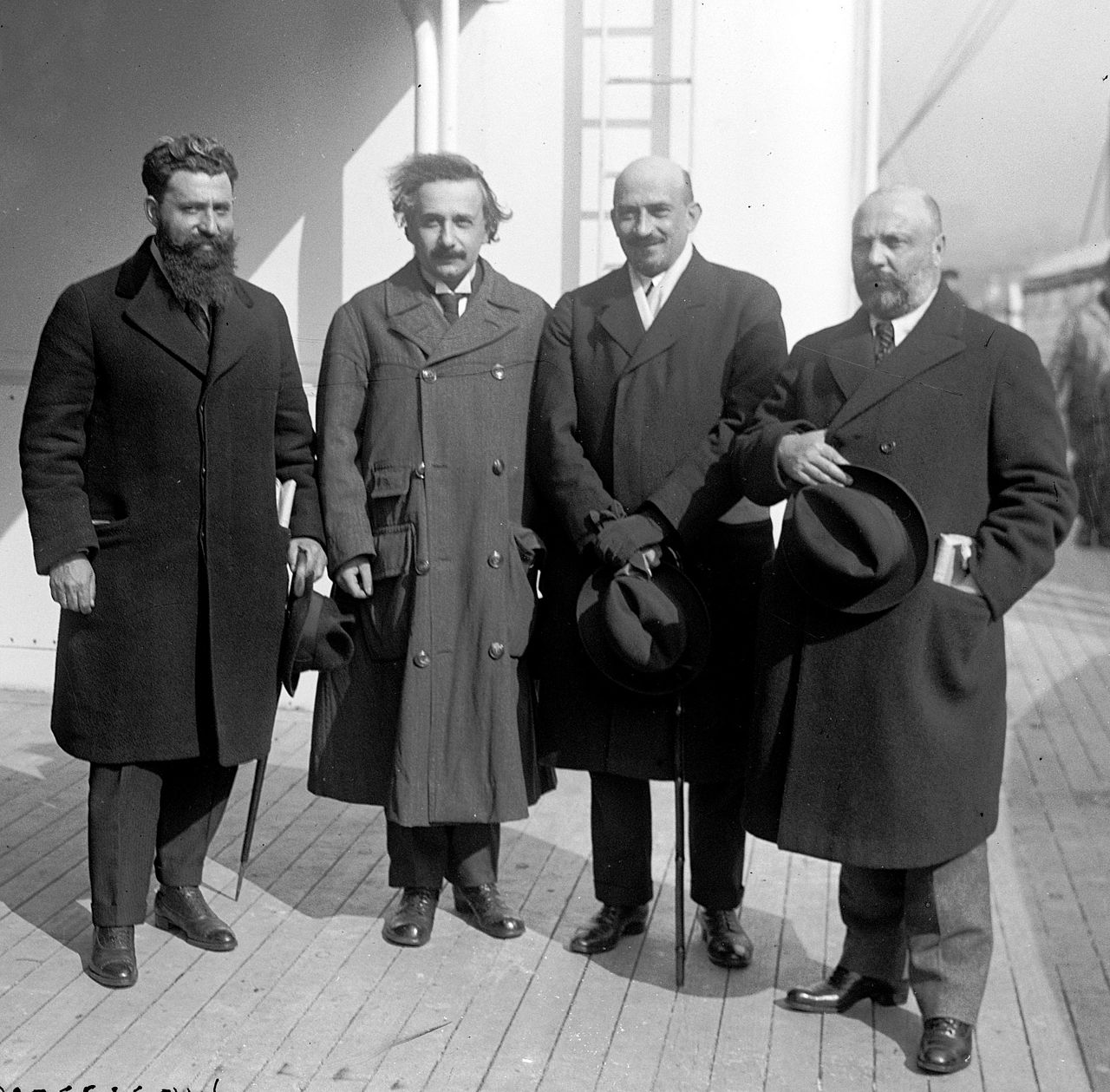
Chaim Azriel Weizmann was a chemist, political leader and key figure in modern Zionism who became the first president of the State of Israel. Born in 1874 in what was then the Russian Empire, he trained as a chemist in Europe and built an academic and public career in Britain. His life combined laboratory research, industrial innovation and intensive diplomatic activity over several decades. He is remembered for applying scientific knowledge to large-scale industrial problems and for sustained efforts to secure international support for a Jewish national home.
Image gallery
10 Images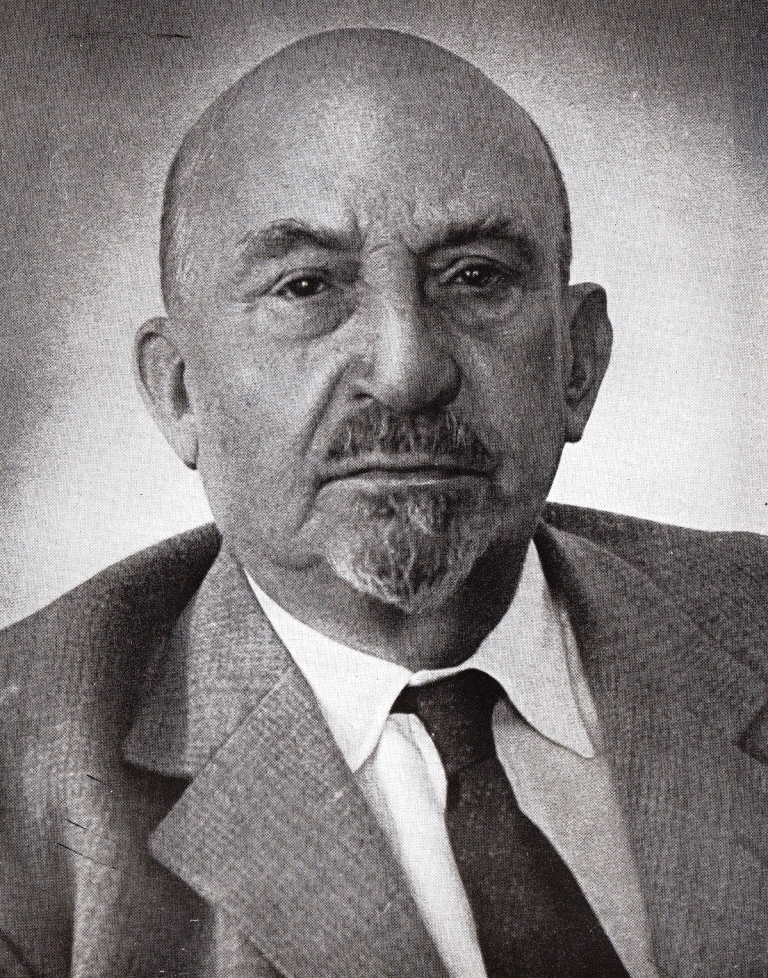




Early life and education
Weizmann was born into a Jewish family in the eastern provinces of the Russian Empire. He pursued higher education in chemistry in continental Europe and later settled in Britain, where he took up academic posts and research work. His scientific training and his position in British academic circles provided both professional standing and access to influential contacts, which proved useful in his political and diplomatic activities.
Scientific contributions
As a chemist, Weizmann developed and promoted bacterial fermentation methods that could produce solvents and industrial chemicals on a large scale. During the First World War, Britain faced shortages of key chemicals used in propellants and explosives. Weizmann applied anaerobic fermentation techniques to convert agricultural feedstocks into acetone and related solvents, helping to relieve critical shortages and improving munitions production capacity. His work illustrated how biochemical processes could be scaled up for national and industrial needs; it also brought him recognition among scientific and political leaders.
Zionist leadership and diplomacy
Alongside his scientific career, Weizmann was a leading figure in the international Zionist movement. He served in senior roles in Zionist organizations and acted as an adviser and negotiator with British and other officials during and after the First World War. His diplomatic efforts contributed to high-level statements and commitments that supported the idea of a Jewish national home in Palestine. Over many years he combined organizational leadership, scholarly reputation and diplomatic engagement to advance political goals for Jewish self-determination.
Presidency and later years
After the declaration of the State of Israel, Weizmann was chosen as the country’s first president, a largely ceremonial but symbolically important office. In that role he acted as an elder statesman and represented the new state to foreign dignitaries and visitors. He remained a respected figure until his death in 1952. His stature derived both from his scientific achievements and from decades of political work on behalf of Zionism.
Legacy
Weizmann’s legacy spans science, diplomacy and institution-building. The Weizmann Institute of Science and other institutions and foundations bear his name. Historians note his ability to move between laboratory and political arenas, while debates about particular political choices and strategies continue among scholars and communities. His life remains a focal point for studies of science in public life and for the history of Zionism and the early State of Israel.
Related topics and sources
- Biographical records and birth date
- Motal, his birthplace
- Belarus and regional history
- Death and contemporary notices
- Jerusalem and historical context
- The State of Israel and its institutions
- University of Manchester and academic affiliations
- Chemistry and scientific work
- First World War industrial context
- Acetone and industrial uses
- Cordite and propellant chemistry
- Anaerobic fermentation techniques
- Agricultural feedstocks used in fermentation
- Alternative raw materials and experiments
- Bacterial strains and applied microbiology
For further reading, consult institutional histories, biographies of Weizmann and studies of wartime science and Zionist diplomacy.
Questions and answers
Q: Who was Chaim Azriel Weizmann?
A: Chaim Azriel Weizmann was the first President of Israel.
Q: What did Weizmann do at the University of Manchester?
A: Weizmann lectured on chemistry at the University of Manchester.
Q: What did the British forces need during World War I?
A: The British forces needed to increase their production of artillery shells during World War I.
Q: What was the production of shells limited by during World War I?
A: The production of shells was limited by a shortage of acetone during World War I.
Q: What did Weizmann develop to increase the production of shells during World War I?
A: Weizmann developed a production of acetone from the anaerobic fermentation of maize and horse chestnuts by bacteria to increase the production of shells during World War I.
Q: When did Weizmann become President of Israel?
A: Weizmann became President of Israel in 1948.
Q: When did Weizmann die?
A: Weizmann died in 1952.
Related articles
Author
AlegsaOnline.com Chaim Weizmann: Chemist, Zionist Statesman and Israel's First President Leandro Alegsa
URL: https://en.alegsaonline.com/art/18334