
Akiba Rubinstein
Polish chess grandmaster (1882–1961), a leading pre‑World War I player famed for endgame mastery and influence on opening theory; several variations bear his name.
Akiba Rubinstein (12 December 1882 – 15 March 1961) was a Polish chess master who rose to the top of international chess in the first decades of the 20th century. Born in Stawiski, he became celebrated for his rigorous positional play, outstanding endgame technique and consistency in elite tournaments. He died in Antwerp, Belgium.
Image gallery
3 Images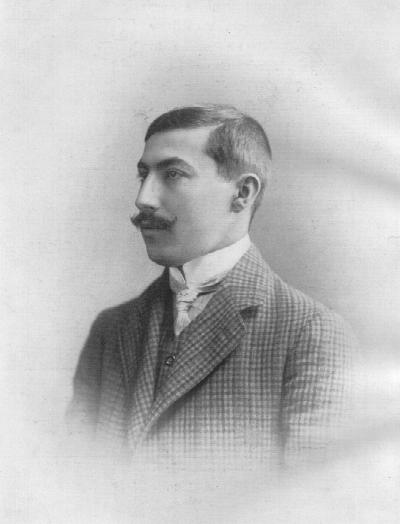
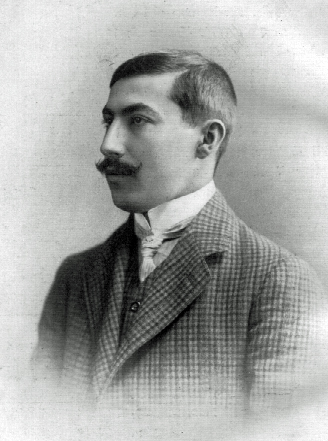

Career overview
Rubinstein regularly competed with the world’s leading players of his era and was widely regarded as one of the strongest contenders for the world title before the First World War disrupted international chess. He won numerous important international events, often finishing ahead of other top masters, and built a reputation for near-perfect tournament form.
Playing style and contributions
Rubinstein is particularly remembered for his deep positional understanding and near-flawless endgame play. He excelled in minute maneuvering, pawn structure management and especially rook and minor-piece endgames. Many later endgame studies and practical techniques trace influence to his games and analyses.
Openings and theory
Several opening lines are named after him, reflecting his influence on opening development. These include variations in the Nimzo-Indian, the French Defence and queen’s-pawn systems. His practical choices in the opening often aimed to steer games toward favorable, strategic middlegames and simplified, technically winning endgames.
Legacy and notable facts
- Considered one of the leading pre‑WWI masters and a model of classical positional play.
- Renowned for pedagogical value: his games are studied for endgame technique and strategic clarity.
- Despite his strength he never played an official match for the world championship; health and historical events affected his later career.
Today Rubinstein’s games remain standard material for students of strategy and endgame technique, and his name endures in opening nomenclature and chess literature. For further biographical and game collections consult specialist chess resources and tournament archives.
Questions and answers
Q: Who was Akiba Rubinstein?
A: Akiba Rubinstein was a Polish chess Grandmaster in the first part of the 20th century.
Q: When was Akiba Rubinstein born?
A: Akiba Rubinstein was born on December 12, 1882.
Q: Where was Akiba Rubinstein born?
A: Akiba Rubinstein was born in Stawiski, Poland.
Q: When did Akiba Rubinstein pass away?
A: Akiba Rubinstein passed away on March 15, 1961.
Q: Where did Akiba Rubinstein pass away?
A: Akiba Rubinstein passed away in Antwerp, Belgium.
Q: Was Akiba Rubinstein one of the top chess players in the world?
A: Yes, around 1910, Akiba Rubinstein was one of the three best players in the world.
Q: In what century did Akiba Rubinstein become a chess Grandmaster?
A: Akiba Rubinstein became a chess Grandmaster in the first part of the 20th century.
Related articles
Author
AlegsaOnline.com Akiba Rubinstein Leandro Alegsa
URL: https://en.alegsaonline.com/art/1798
Sources
- chesshistory.com : Edward Winter, Chess and Jews, 2003
- db.chessmetrics.com : Chessmetrics Summary for 1905-1915
- starfireproject.com : starfireproject.com
- chessville.com : Keene, Raymond 2007. Keene on Chess: an appreciation of Rudolph Spielmann