
Cavaillon, Vaucluse (Provence-Alpes-Côte d'Azur, France)
Cavaillon is a town in Vaucluse in southern France, famed for its melons, historic centre and proximity to the Luberon and Avignon. Population was about 24,563 in 1999.
Overview
Cavaillon is a French commune situated in the Provence-Alpes-Côte d'Azur region and the Vaucluse department, in the south of France. It had a population of roughly 24,563 inhabitants at the 1999 census. The town lies at the foot of the Luberon hills and serves as a local centre for trade, agriculture and tourism in the plain below the massif.
Image gallery
2 Images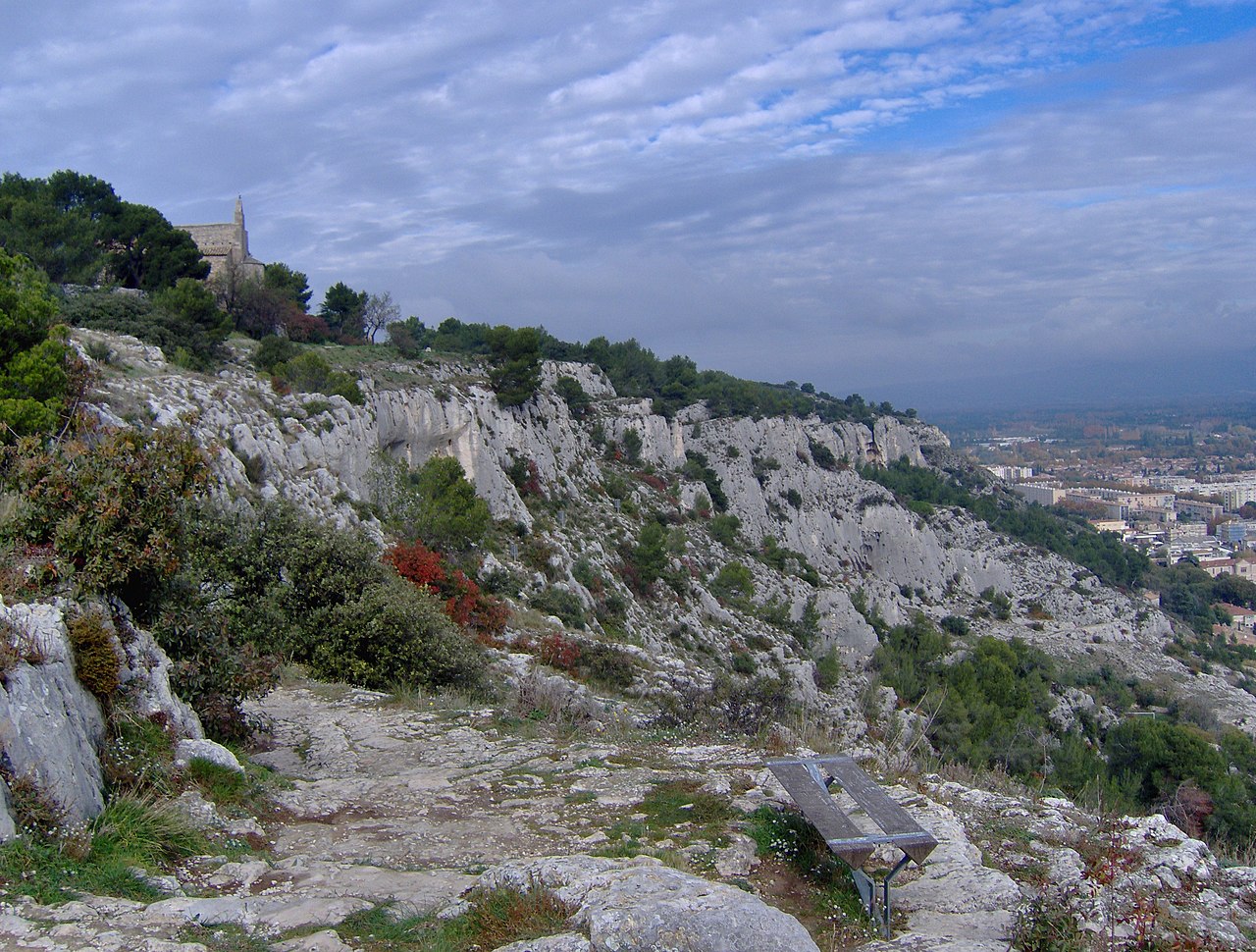

Characteristics and layout
The urban fabric combines a compact historic centre with more modern suburbs and market areas. Narrow streets, a hilltop quarter and surviving older structures give Cavaillon a layered character typical of Provençal towns: Roman and medieval traces are visible alongside 19th- and 20th-century development. Public markets, bakeries and small shops remain important to daily life.
History and development
Cavaillon's origins are ancient: the settlement area benefited from its fertile plain and its position near regional routes. Over centuries it grew as an agricultural and market town, with phases of Roman and medieval occupation reflected in local monuments. Like many towns in Provence, it developed around religious and defensive sites placed on higher ground.
Economy, agriculture and culture
Agriculture has long been central to Cavaillon's economy. The town is internationally associated with the sweet, aromatic Cavaillon melon, which has become a regional emblem and a staple of local markets. Vineyards, orchards and market gardening also contribute to the surrounding rural economy. Cultural life includes markets, food-focused events and visits by tourists exploring the Luberon and nearby historic cities.
Sights and notable facts
- Historic centre with churches and older stone buildings perched toward a hilltop viewpoint.
- Local markets and produce stands that highlight the area's fruit and vegetable production.
- Easy access to the Luberon natural park and other Provençal attractions, making Cavaillon a base for regional tourism.
Cavaillon combines agricultural importance with a compact heritage core, offering visitors a mix of Provençal atmosphere, local gastronomy and access to the landscapes of southern France. For further information about its administration, demographics and services consult municipal or regional resources.
Tags
Related articles
Author
AlegsaOnline.com Cavaillon, Vaucluse (Provence-Alpes-Côte d'Azur, France) Leandro Alegsa
URL: https://en.alegsaonline.com/art/17719