
Caunes-Minervois: historic village in Aude, Occitanie
Caunes-Minervois is a small commune in Aude, Occitanie, known for its medieval abbey, distinctive red marble quarries, proximity to the Minervois wine area and surrounding hills.
Overview
Caunes-Minervois is a rural commune in southern France, in the administrative region of Occitanie and the Aude department. The population has been small and stable in recent decades (about 1,654 inhabitants at a 2017 count). The village sits near the foothills of the Montagne Noire and is part of the landscape of the greater Minervois area, where vineyards and mixed agriculture shape the countryside.
Image gallery
8 Images


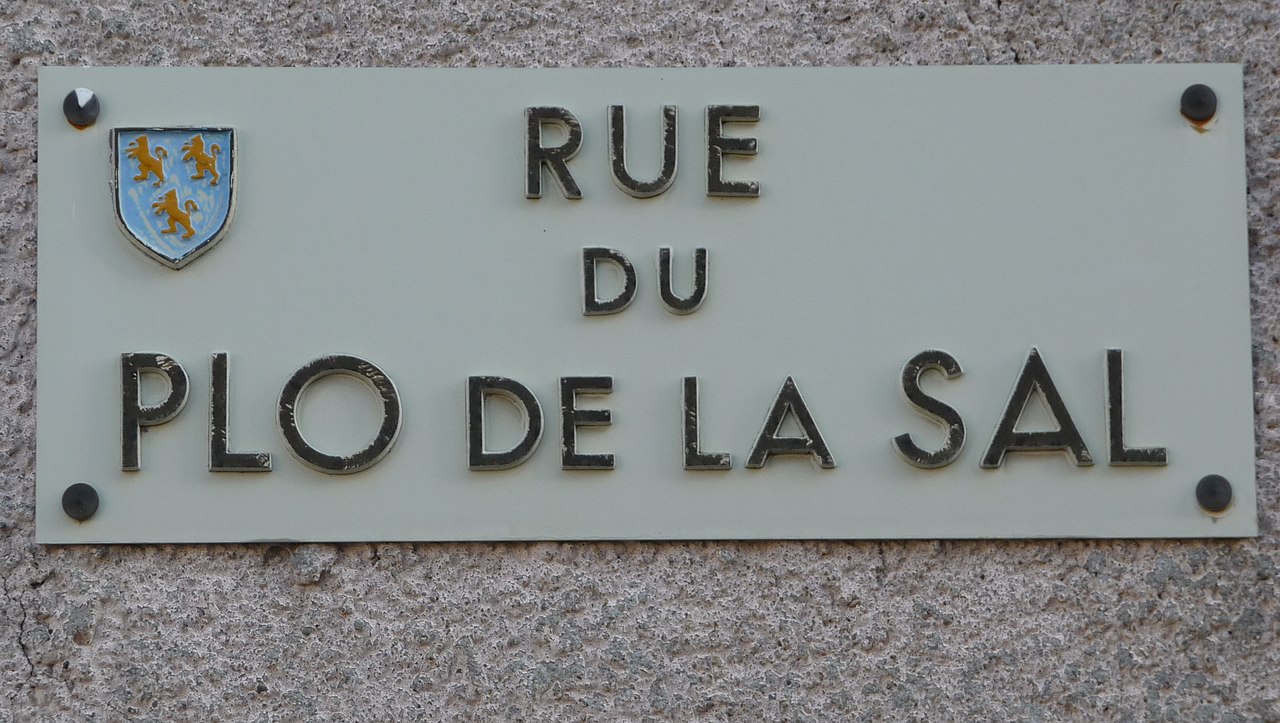

History
The settlement grew up around a medieval Benedictine abbey whose Romanesque architecture remains a defining feature. Over centuries the abbey and village were connected to regional trade, agriculture and the extraction of local stone. Much of the built fabric retains narrow streets and stone houses that reflect its long rural history.
Marble and quarries
Caunes-Minervois is particularly noted for its distinctive red and variegated decorative stone, commonly known as Caunes marble. Local quarries supplied stone used in regional monuments and decorative work beyond the immediate area. Quarrying and stonecraft have influenced the local economy and cultural identity; interpretation panels and small displays explain the geology and historic techniques to visitors.
Agriculture and wine
The surrounding countryside is part of the Minervois viticultural area. Vineyards, olive trees and mixed farming form the rural economy alongside tourism and artisanal trades. Local markets and seasonal food events reflect the agricultural calendar and regional Occitan traditions.
Sights and visitor information
- Abbey and church: surviving Romanesque elements and later alterations are a main attraction.
- Historic quarries: visible workings and explanatory points show the marble heritage.
- Village centre: narrow streets, workshops and local cafés offer a compact, walkable experience.
- Trails and countryside: walking routes in the nearby hills provide views of vineyards and the Montagne Noire foothills.
Practical information, opening times and event calendars are published by municipal and regional services: consult the commune page, regional guides at Occitanie resources and departmental heritage notices at Aude sources. For administrative details see the departmental portal, and general visitor information is available from national tourism materials (national tourism).
Related articles
Author
AlegsaOnline.com Caunes-Minervois: historic village in Aude, Occitanie Leandro Alegsa
URL: https://en.alegsaonline.com/art/17701