
Catholic Archdiocese of Boston sex abuse scandal
A major early‑2000s investigation into clergy sexual abuse and institutional cover‑ups in the Archdiocese of Boston that spurred prosecutions, reforms, payouts, and wider scrutiny of the Catholic Church in the United States.
Overview
The Catholic Archdiocese of Boston sex abuse scandal refers to revelations, beginning in 2002, that numerous priests had sexually abused minors and that senior church officials had systematically reassigned accused clergy, concealed allegations, or failed to report crimes. Local reporting and subsequent legal actions transformed a local crisis into a national reckoning about clerical abuse and institutional responsibility within the Roman Catholic Church in the United States. For background on the wider institution, see Catholic Church and related sexual abuse cases.
Image gallery
1 Image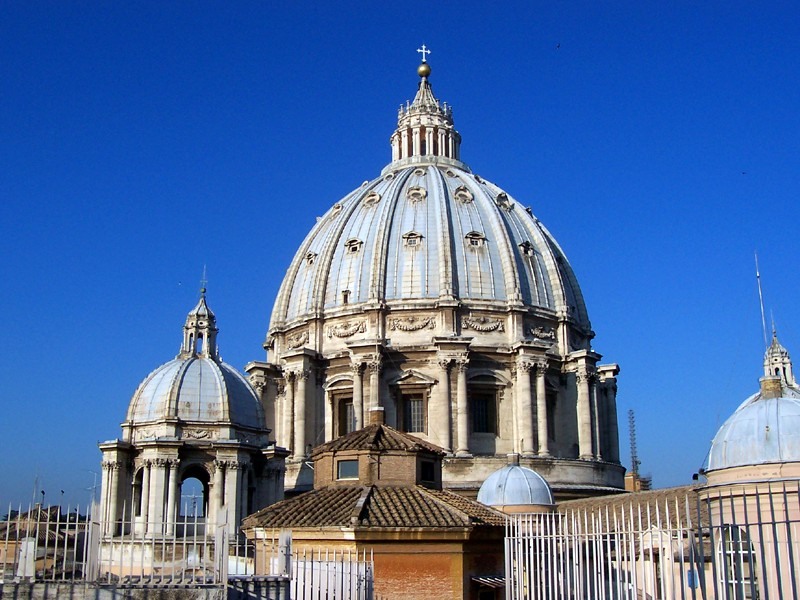
Investigation and reporting
The turning point was a series of investigative articles published by The Boston Globe in 2002 that documented specific clergy abuses, internal church memos, and the role of archdiocesan leadership in reassigning accused priests rather than removing them from ministry. That investigative project, commonly called the Spotlight investigation, encouraged other survivors to speak up and prompted law enforcement reviews and civil litigation. The story and its reporting later inspired the film Spotlight, which won multiple honors, including Academy Awards cited at the Academy Awards.
Scope and immediate consequences
In the months and years after the Globe series, dozens of criminal investigations and civil lawsuits were opened. Several priests were prosecuted and convicted, and many former victims received monetary settlements. Senior church officials faced intense criticism; in Boston this included the resignation or reassignment of high‑ranking clergy and changes in leadership. The revelations also prompted similar investigations in other dioceses, revealing patterns of abuse and cover‑ups in multiple regions.
Institutional and legal reforms
The scandal accelerated changes both within the U.S. church and in public policy. National and diocesan measures were adopted to improve child protection and accountability. Typical reforms included:
- mandatory reporting to civil authorities;
- background checks and safer‑recruitment practices for clergy and lay workers;
- training programs on child protection and response protocols;
- creation of review boards and victim assistance programs.
Wider impact and cultural significance
The Boston scandal became a focal point for public discussion about institutional transparency, clerical privilege, and survivors' rights. It prompted other journalists, prosecutors, and advocate groups to investigate allegations elsewhere, leading to grand jury reports and inquiries that extended beyond Boston. The story influenced how media cover institutional abuse and contributed to evolving expectations for accountability in religious and non‑religious organizations alike.
Legacy and continuing issues
While many reforms were implemented, debates continue about their sufficiency, enforcement, and the balance between civil and canonical processes. Survivors and advocates stress the need for ongoing oversight, access to justice, and pastoral care. The Boston case remains a prominent example of how investigative journalism, legal action, and public scrutiny can expose entrenched problems and drive institutional change.
Further reading and resources: selected reporting and analyses are available through journalistic archives and institutional statements; readers may consult primary investigations and diocesan communications for detailed timelines and official responses (see links to media and institutional coverage above).
Related articles
Author
AlegsaOnline.com Catholic Archdiocese of Boston sex abuse scandal Leandro Alegsa
URL: https://en.alegsaonline.com/art/17634
Sources
- dartcenter.org : "Abuse in the Catholic Church" · web.archive.org
- saunderslawyers.com : "Practice areas"
- pbs.org : "CHALLENGING THE CHURCH"
- archive.boston.com : "Boston Globe / Spotlight / Abuse in the Catholic Church / Scandal and coverup"
- cnn.com : "Catholic Church's sex abuse scandal goes global"