
Charkhi Dadri mid-air collision (12 November 1996)
A 1996 mid-air collision near Charkhi Dadri, Haryana, India, between a Saudi 747 and a Kazakh Il-76 killed everyone aboard and prompted major changes in air traffic safety and collision-avoidance rules.
The Charkhi Dadri mid-air collision occurred on 12 November 1996 above a sparsely populated area near the village of Charkhi Dadri in the state of Haryana, India. Two large transport aircraft — a Saudi Arabian Airlines Boeing 747 on a scheduled flight from Delhi to Dhahran and a Kazakhstan Airlines Ilyushin Il-76 on an international leg from Chimkent to Delhi — collided while both were on approach to Delhi's airport. The impact destroyed both aircraft and resulted in the deaths of all people on board, making the accident one of the deadliest mid-air collisions in aviation history.
Image gallery
6 Images
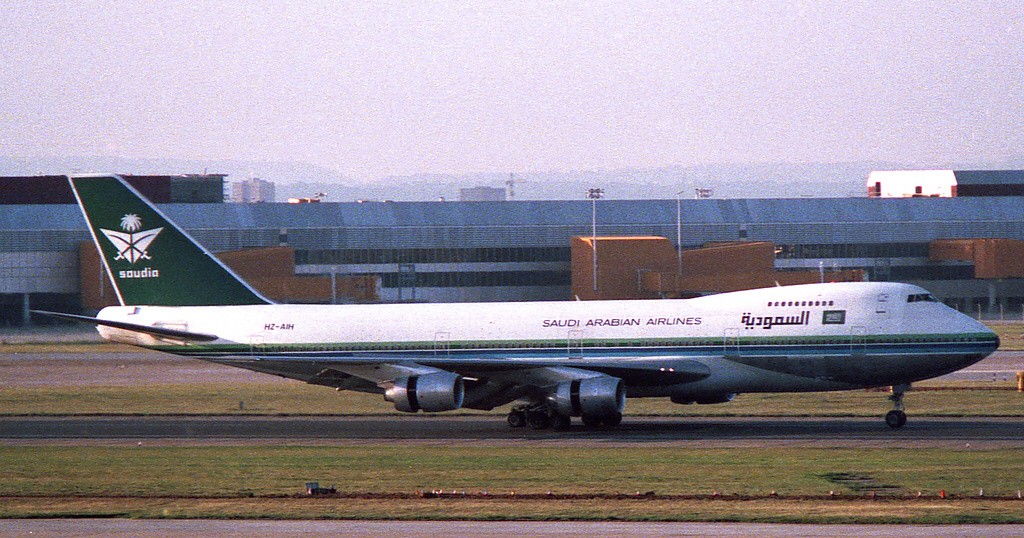



Sequence and aircraft
At the time of the accident the 747 was climbing to its assigned cruising profile after departing Delhi and the Il-76 was descending toward the same terminal. Controllers had issued altitude clearances intended to keep the two aircraft separated vertically, but the Il-76 descended below its assigned level and intersected the 747’s flight path. The larger passenger jet and the freighter-type Il-76 struck each other at high speed; debris fell across fields and villages in the surrounding area.
Investigation findings
Official investigations cited multiple contributing factors rather than a single simple cause. The primary factor was that the crew of the Il-76 did not maintain the assigned altitude. Investigators pointed to issues including language and communication problems between the flight crew and air traffic control, possible crew fatigue, inadequate training and procedural shortcomings in local air traffic operations. At the time, procedural separation was relied upon without widespread airborne collision-avoidance systems on all aircraft in the region.
Consequences and legacy
The disaster had immediate and lasting effects on aviation safety policy in India and internationally. Authorities accelerated the mandate for Traffic Collision Avoidance Systems (TCAS) on all commercial transport aircraft flying in busy airspace, strengthened pilot English-language requirements, and upgraded air traffic monitoring and radar coverage. Airlines and regulators reviewed training and operational standards for international crews and ground services.
Key facts and notable aspects
- The collision involved a civilian passenger Boeing 747 and a Kazakhstan-operated Ilyushin Il-76 cargo/transport aircraft.
- All occupants of both aircraft were killed; the accident remains a landmark case in studies of mid-air collision prevention.
- Following the crash, changes focused on technology (TCAS), communication standards, and stricter air-traffic control procedures to prevent similar accidents.
The Charkhi Dadri collision is commonly cited in aviation safety literature as an example of how human factors, language barriers, and gaps in surveillance technology can combine with routine procedures to produce catastrophic results. It prompted a reevaluation of separation standards and hastened adoption of systems and practices that are now routine in international air transport. For broader historical context and details about the airline operations involved, see sources linked for Saudi Arabia and the region.
Questions and answers
Q: When did the Charkhi Dadri mid-air collision occur?
A: The Charkhi Dadri mid-air collision occurred on November 12, 1996.
Q: Where did the Charkhi Dadri mid-air collision occur?
A: The Charkhi Dadri mid-air collision occurred over the village of Charkhi Dadri in the Indian state of Haryana.
Q: Which two airlines were involved in the Charkhi Dadri mid-air collision?
A: The Charkhi Dadri mid-air collision involved Saudi Arabian Airlines Boeing 747-100B and Kazakhstan Airlines Illyushin II-76.
Q: Where was the Saudi Arabian Airlines flight headed to?
A: The Saudi Arabian Airlines flight was headed to Dhahran, Saudi Arabia from Delhi.
Q: Where was the Kazakhstan Airlines flight headed to?
A: The Kazakhstan Airlines flight was headed to Delhi from Chimkent, Kazakhstan.
Q: What type of aircraft was the Saudi Arabian Airlines flight?
A: The Saudi Arabian Airlines flight involved a Boeing 747-100B.
Q: What type of aircraft was the Kazakhstan Airlines flight?
A: The Kazakhstan Airlines flight involved an Illyushin II-76 aircraft.
Related articles
Author
AlegsaOnline.com Charkhi Dadri mid-air collision (12 November 1996) Leandro Alegsa
URL: https://en.alegsaonline.com/art/18676
Sources
- aviation-safety.net : "India air safety profile"
- independent.co.uk : "THE INDIAN AIR CRASH: Tapes point blame at Kazakh pilot"
- rediff.com : "Communication gap caused Charkhi Dadri mishap" · web.archive.org
- natgeochannel.co.uk : "Haryana India 1996 Plane Crash, Head on Collision"