
Catharism: the medieval dualist Christian movement
Catharism was a medieval Christian dualist movement centered in southern France. Known as 'the pure ones', Cathars held ascetic beliefs and were suppressed by the Church during the Albigensian Crusade and Inquisition.
Overview
The Cathars were a religious movement in medieval Europe, most visible from the 12th to the 14th centuries in the Languedoc region of southern France. They are often described as a form of Christian dualism and were disparagingly labeled heretical by the Roman Catholic Church. Contemporary and later writers sometimes compared Cathar doctrines to various strains of Gnosticism, though modern scholars emphasize differences and local variety.
Image gallery
10 Images





Beliefs and organization
Cathar teaching stressed a radical distinction between the spiritual, good God and the material world, which they viewed as corrupt or created by an inferior power. Many adherents practiced strict asceticism, rejecting many Catholic sacraments and clergy authority. Their communities were led by spiritual elites, often called "perfects" or "perfecti," who lived celibately and depended on lay supporters. A central rite was the consolamentum, a laying-on of hands that served as a spiritual initiation or final blessing.
History and suppression
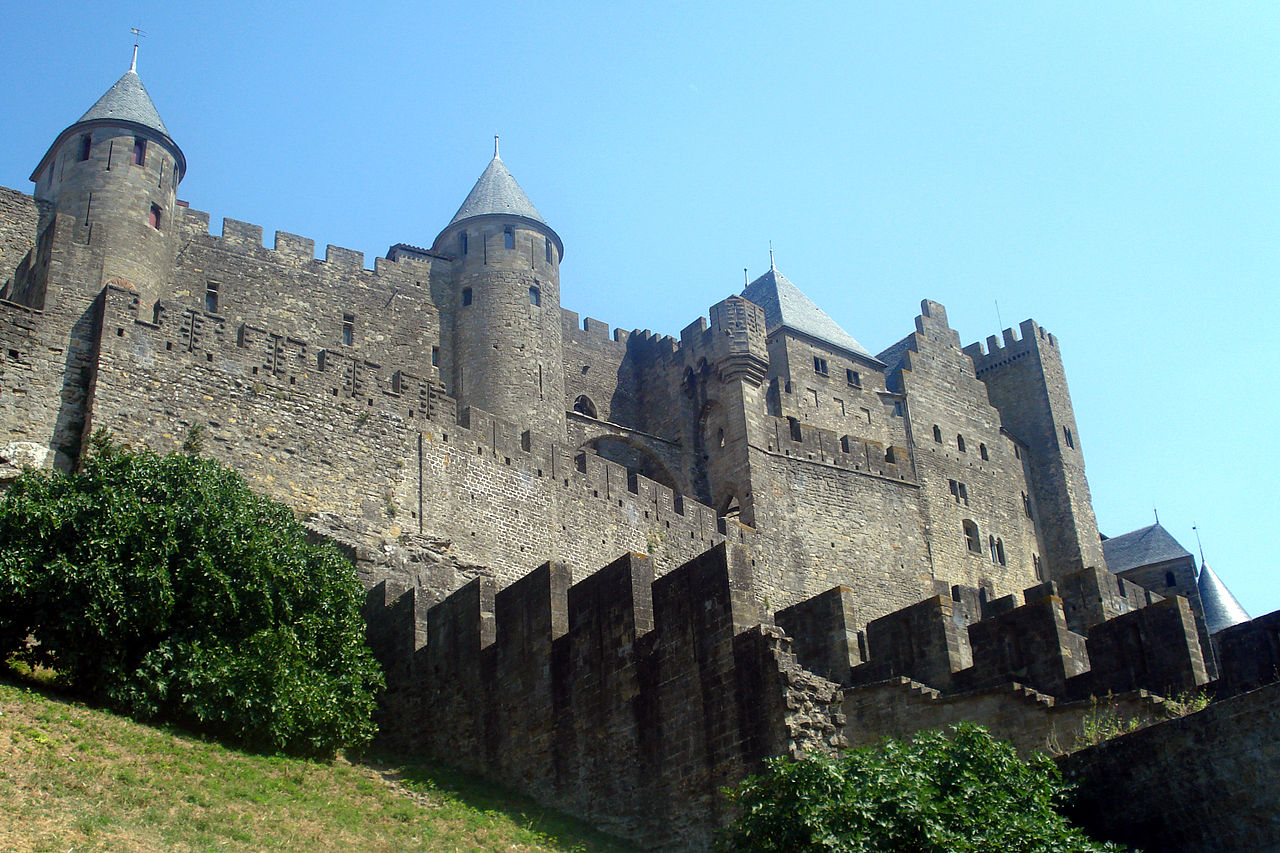
While roots of dualist ideas can be traced earlier in Europe and the Balkans, Catharism became particularly associated with towns and rural areas around Albi and Carcassonne. The spread of these teachings alarmed ecclesiastical authorities, leading to preaching missions, and ultimately to military and judicial campaigns. The most famous response was the Albigensian Crusade and the later establishment of the medieval Inquisition, which aimed to eradicate the movement over the course of the 13th and 14th centuries.
Characteristic features
- Dualism: emphasis on spiritual good versus material evil.
- Austere morality: many adherents practiced vegetarianism, celibacy, and simplicity.
- Alternative rites: rejection of most Catholic sacraments in favor of the consolamentum.
- Lay involvement: wide popular support with active lay communities and networks of refuge.
Legacy and interpretations
After suppression, Cathar traditions largely disappeared as an organized movement, but they remained a subject of fascination for historians, writers, and modern spiritual seekers. Debates continue about how closely the medieval Cathars matched classical Gnostic models; some sources call them "the pure ones" from the Greek katharos. For general background on medieval Christianity see Cathar faith resources, and for comparisons with Gnostic ideas see Gnostic studies.
Notable distinctions
Important points often stressed by scholars: Cathar beliefs varied by region; many later descriptions come from hostile sources; and the movement combined theological ideas with specific social practices that distinguished it from mainstream medieval Christianity. This complexity is why Catharism remains a frequent topic in studies of medieval religion and heresy.
Related articles
Author
AlegsaOnline.com Catharism: the medieval dualist Christian movement Leandro Alegsa
URL: https://en.alegsaonline.com/art/17613