
Celtic Polytheism: Beliefs, Deities, and Historical Development
Overview of the pre-Christian religious systems attributed to the ancient Celts, their practices, principal gods, historical changes under Rome and Christianity, and modern revival.
Overview
Celtic polytheism is the conventional term used by scholars to describe a broad set of religious beliefs and ritual practices held by peoples identified as Celts in ancient and early medieval Europe. The evidence for these beliefs combines archaeological finds, inscriptions, place-names, and accounts by classical writers. Modern writers also use the label Celtic beliefs or simply Celtic religion to denote the variety of local cults, deities and ritual traditions once characteristic of communities across a wide area of western and central Europe.
Those peoples are conventionally called Celts, a cultural group defined by language and material culture rather than a single political identity. Their religious life is thought to have evolved from the first millennium BCE through the La Tène period and into the Roman era, a continuity sometimes described as lasting roughly a millennium. The earliest archaeological indicators commonly associated with these beliefs appear around the middle of the first millennium BCE, particularly in the La Tène cultural horizon (La Tène).
Image gallery
10 Images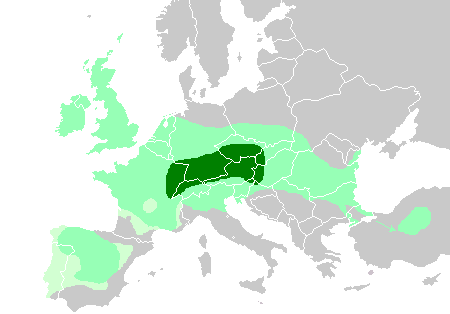


Sources and chronology
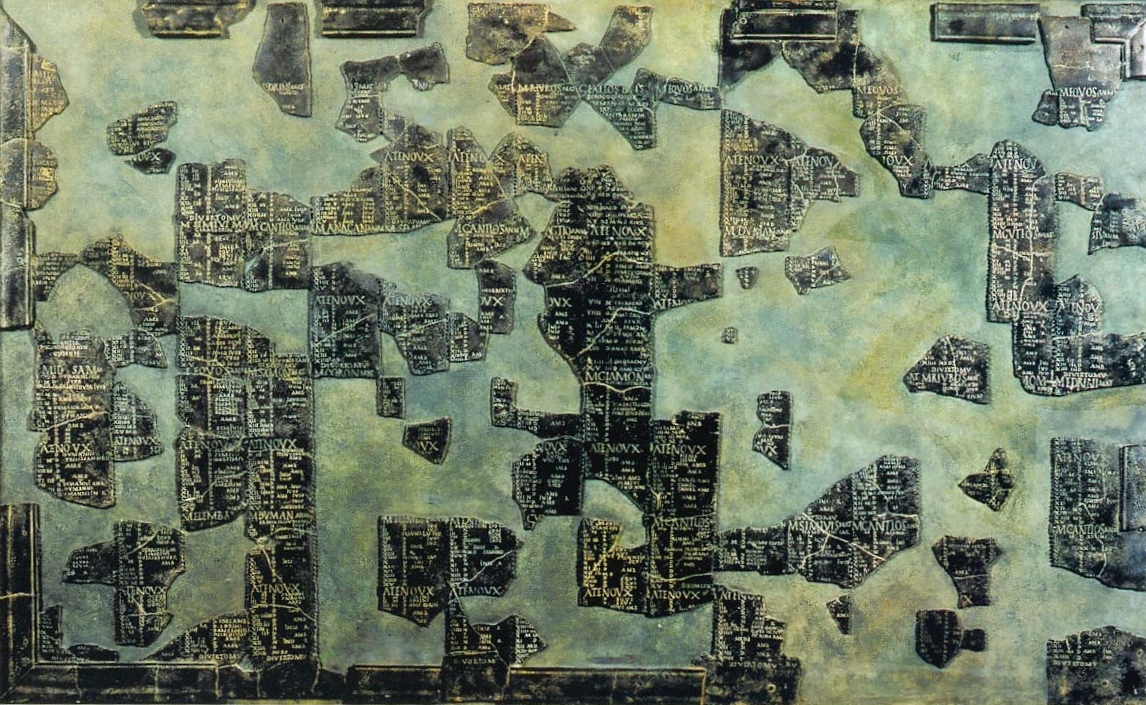
Our understanding of Celtic religious systems derives from several types of sources. Classical authors, both Greek and Roman, described rituals and gods from the outside; some local inscriptions and votive deposits record deity names directly; and archaeological remains—such as ritual bog deposits, votive offerings and shrine sites—offer material context. Roman contact and conquest, particularly after campaigns in Gaul (58–51 BCE) and the invasion of southern Britannia (43 CE), introduced new cultural influences and documentation from imperial sources (Roman era).
Characteristics and practices
Although regional variation was profound, several recurring features are often emphasized by scholars:
- Polytheism with numerous local and pan-regional gods, some of whom are known by names recorded on inscriptions or by classical writers. Examples commonly cited include Cernunnos, Teutatis and Taranis.
- A class of religious specialists; classical accounts describe a learned priesthood called druids in Gaul, Britain and Ireland who combined legal, religious and educational roles.
- Ritual offerings placed in natural features such as rivers, wells and bogs; archaeological deposits often include weapons, tools, animals and crafted items.
- Reports by Roman historians of practices they understood as human sacrifice, though modern interpretations vary and the evidence is debated and contextual.
Interpretation of myth and deity status sometimes depends on later sources. Medieval Irish narratives and other insular traditions preserve a rich mythic corpus; comparative scholars cautiously treat some figures from medieval Irish literature as potential survivals or transformations of older deities (comparative mythology), a process sometimes described as euhemerisation when gods are presented as heroic ancestors or historical figures.
Romanisation, Christianisation, and regional change
The expansion of the Roman Empire into Celtic-speaking lands changed religious expression in many ways. In areas of Gaul and Britain that experienced long-term Roman rule, indigenous cults often adapted to imperial frameworks, producing syncretic deities and new cult practices. Temples, altars and Latin inscriptions increased the number of documented divine names, and a Gallo-Roman religious culture emerged where local gods could be identified alongside Roman ones.
From the 4th and especially the 5th century CE the spread of Christianity transformed the religious landscape in regions such as Ireland, Wales and parts of Britain and Brittany. Christianisation was a gradual and regionally uneven process that preserved some native motifs within folklore and literature even as older cults largely ceased to be practiced. The transition did not simply erase prior beliefs but reinterpreted, absorbed or suppressed them over time.
Legacy and modern movements
Interest in ancient Celtic religion continued into the medieval and modern periods through place-names, mythic texts and antiquarian studies. In the 19th and 20th centuries, revived and reconstructed spiritual movements emerged under names such as Celtic Neopaganism, drawing inspiration from archaeological finds, medieval literature and romanticized notions of the past. While modern groups vary widely in practice and belief, their existence illustrates the continuing cultural significance of these ancient traditions.
For further reading and primary-source material one may consult classical ethnographies, inscription corpora and recent archaeological syntheses. Specialized studies explore the varied regional expressions—from continental shrines and votive rivers to insular mythic cycles—revealing a complex, adaptive and locally rooted set of religious practices that scholars collectively describe as Celtic polytheism. See also classical geographers and commentators for external perspectives (classical geographers) and cemetery inscriptions that preserve divine names (epigraphic evidence).
Additional resources discuss the interplay between the Iron Age cultural context (Iron Age communities), later medieval reinterpretations and the particular histories of regions such as the British Isles (British Isles) and continental Gaul. The study of these beliefs remains a multidisciplinary field, drawing on archaeology, linguistics, comparative mythology and the careful reading of ancient texts.
Celts, Gaul, and the changing political landscapes shaped how gods were named, worshipped and remembered across centuries.
Questions and answers
Q: What is Celtic polytheism?
A: Celtic polytheism is the name for a set of beliefs or religion that was originally held by the European people called Celts. It was practiced roughly one millennium, in the La Tène period and the Roman era.
Q: When did this set of beliefs first appear?
A: The first findings relating to this set of beliefs can be dated to about 500 BC.
Q: Who are some of the gods associated with Celtic polytheism?
A: Some of the gods associated with Celtic polytheism include Teutatis, Taranis and Lugus. People involved in comparative mythology have also added figures from medieval Irish mythology to this list.
Q: Was human sacrifice part of their religion?
A: According to Roman historians, the Celts practiced human sacrifice as part of their religion.
Q: Who were druids?
A: Druids were a caste of "magico-religious specialists" who were found in Gaul, Britain and Ireland. Little is known about them today.
Q: How did Christianity influence later mythology?
A: After Christianity became dominant in the 5th and 6th centuries, it replaced earlier religions but influenced later mythology.
Q: What is Celtic Neopaganism?
A: In the 20th century, a new religious movement called Celtic Neopaganism appeared which revived some aspects of ancient Celtic pagan practices and beliefs.
Tags
Related articles
Author
AlegsaOnline.com Celtic Polytheism: Beliefs, Deities, and Historical Development Leandro Alegsa
URL: https://en.alegsaonline.com/art/17927