
Carlotta Grisi — Italian Ballet Dancer and Originator of Giselle
Italian Romantic-era ballerina (1819–1899) who created the title role in Giselle (1841); noted for her expressive technique, stage presence and influence on 19th-century ballet.
Overview
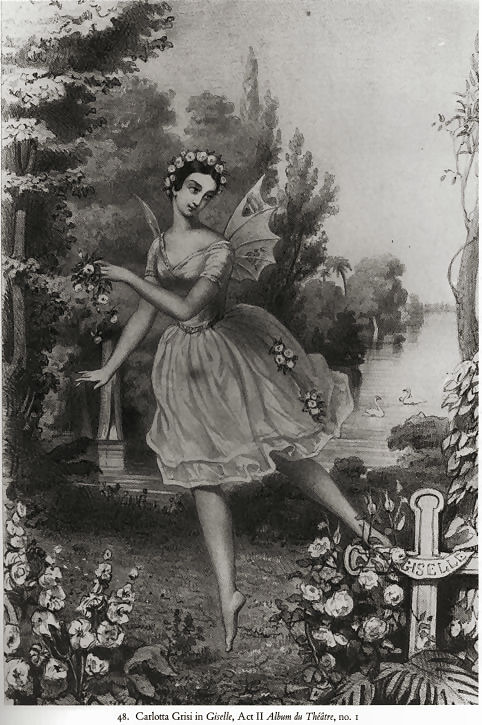
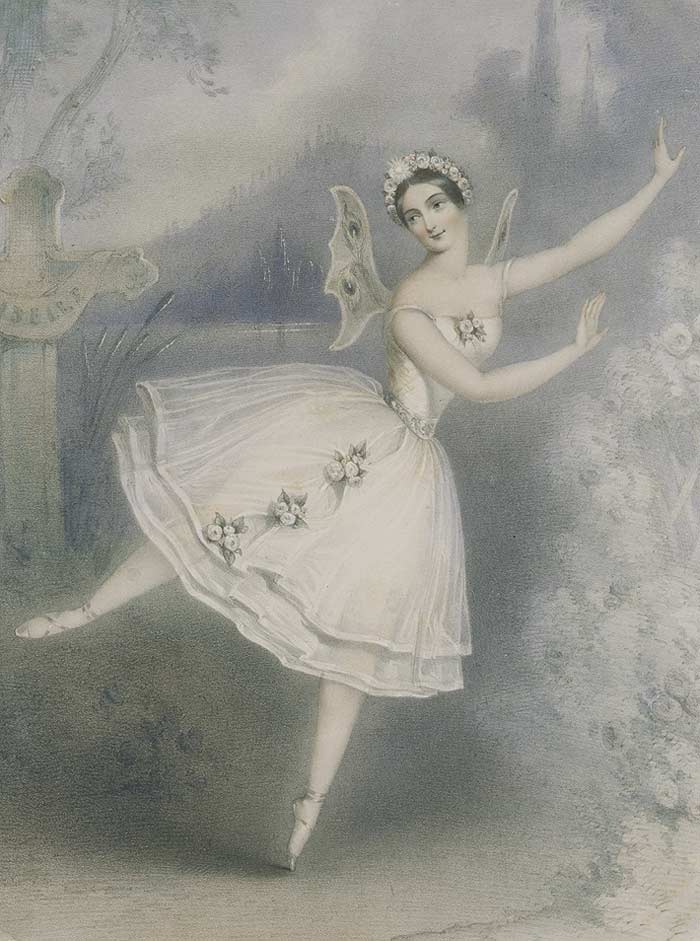
Carlotta Grisi (28 June 1819 – 20 May 1899) was an Italian dancer who became one of the most celebrated figures of the Romantic era in ballet. She is best remembered for creating the title role in Giselle when it premiered at the Paris Opera in 1841. Her career helped define the emotional, lyrical style that characterized mid‑19th century stage dance.
Image gallery
6 Images



Career and signature role
Trained in Italy, Grisi soon established an international reputation and performed at leading European theatres. The premiere of Giselle — with choreography attributed to Jean Coralli and Jules Perrot and music by Adolphe Adam — made her a household name. Critics and audiences praised her ability to combine delicate footwork with vivid dramatic expression, qualities that suited the tragic, otherworldly title character.
Artistic qualities and influence
Grisi was admired for a singing line of movement, sensitivity to mime and the capacity to project character, rather than sheer bravura technique alone. Her interpretations contributed to the emerging Romantic ideal in ballet, where mood, narrative and ethereal presence became as important as virtuosity. Subsequent generations of dancers and choreographers cited the early performances of this period as formative for the art form.
Historical context and later life
Active during a period of rapid change in theatrical dance, Grisi performed at a time when pointe work, gas lighting and new stagecraft altered the audience experience. After a long stage career she gradually withdrew from performing; her association with iconic roles kept her name in the histories of 19th‑century dance. She died in 1899, leaving a legacy tied most strongly to the enduring popularity of Giselle.
Legacy and notable facts
- Often cited as one of the leading Romantic ballerinas for her combination of technique and dramatic power.
- The role she originated remains a central pillar of the classical repertory and a benchmark for dramatic dancers.
- Her career illustrates the international circulation of dancers and repertoires that shaped modern ballet.
Related articles
Author
AlegsaOnline.com Carlotta Grisi — Italian Ballet Dancer and Originator of Giselle Leandro Alegsa
URL: https://en.alegsaonline.com/art/17093