
Carlos Hathcock — U.S. Marine Corps Scout Sniper and Legacy
Carlos Hathcock (1942–1999) was a highly regarded U.S. Marine Corps scout sniper in the Vietnam War who set long-standing records, influenced sniper training, and left a lasting legacy in military marksmanship.
Overview
Gunnery Sergeant Carlos Norman Hathcock II served as a scout/sniper in the United States Marine Corps and became one of the most widely recognized American snipers of the Vietnam War era. Born on May 20, 1942 and passing on February 23, 1999, Hathcock gained a reputation for exceptional marksmanship, stealth, and battlefield patience. His wartime record and daring actions earned him substantial attention within and beyond military circles.
Image gallery
4 Images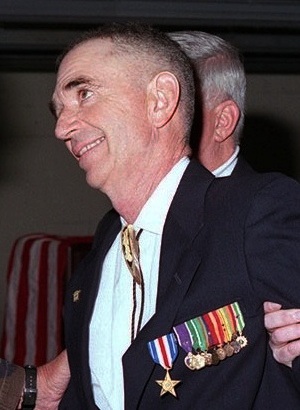


Combat record and notable actions
During his Vietnam deployment he accumulated a large number of confirmed kills and was credited with several extraordinary long-range shots, including a widely reported instance where he engaged an enemy sniper through that man’s own telescopic sight. For many years he held the American record for the longest confirmed sniper kill, a distinction later surpassed as weapons and optics advanced. Contemporary accounts and later histories describe Hathcock as methodical, courageous, and sometimes audacious in the field.
Skills, methods and equipment
Hathcock’s effectiveness stemmed from fundamentals: careful camouflage and concealment, patient observation, stalking, breath control and precise ballistics estimation. He worked both alone and in teams, using high-powered precision rifles and careful shot placement rather than indiscriminate fire. His trademark in the field included wearing a white feather in his hat, a personal emblem that became part of his legend and nickname.
Postwar influence and later life
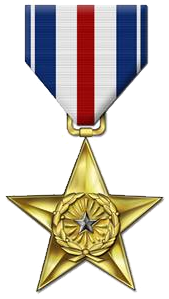
After combat, Hathcock contributed to the development of sniper training and doctrine within the Marine Corps, sharing field-tested techniques that shaped subsequent scout-sniper programs. He was decorated and remained a respected voice on marksmanship. In later years he suffered health problems that ended his military career and lived privately until his death. For further context see detailed profiles and accounts linked below.
Legacy and assessment
Hathcock’s name appears frequently in books, interviews and articles on sniping and small‑unit tactics. He is often cited as an exemplar of classical sniper craft and continues to influence military marksmanship training. At the same time, historians note that wartime "confirmed" tallies and records depend on differing reporting standards, so comparisons across conflicts should be made carefully.
Related articles
Author
AlegsaOnline.com Carlos Hathcock — U.S. Marine Corps Scout Sniper and Legacy Leandro Alegsa
URL: https://en.alegsaonline.com/art/17076