
Carl Bloch: Danish Painter of History, Genre and Sacred Scenes
Overview of Carl Heinrich Bloch (1834–1890), his training, artistic style, major works and lasting influence in religious and genre painting.
Carl Heinrich Bloch (1834–1890) was a prominent Danish painter known for vivid history paintings, intimate genre scenes and moving renderings of biblical subjects. Born in Copenhagen, Bloch trained at the Royal Danish Academy of Fine Arts and later spent productive years in Italy, where he absorbed classical and Renaissance influences. His work combines careful observation of everyday life with dramatic narrative composition, earning him recognition in Denmark and abroad.
Image gallery
10 Images





Life and artistic formation
Bloch received formal instruction at the Royal Danish Academy and worked in a period when Danish art was shaped by academic traditions alongside increasing interest in naturalism. Travel to Italy and extended residence in Rome exposed him to Italian art and to studies of light, color and antique models, which he integrated with Northern European attention to detail. These elements informed both his large historical canvases and smaller genre pieces.

Style, subjects and approach
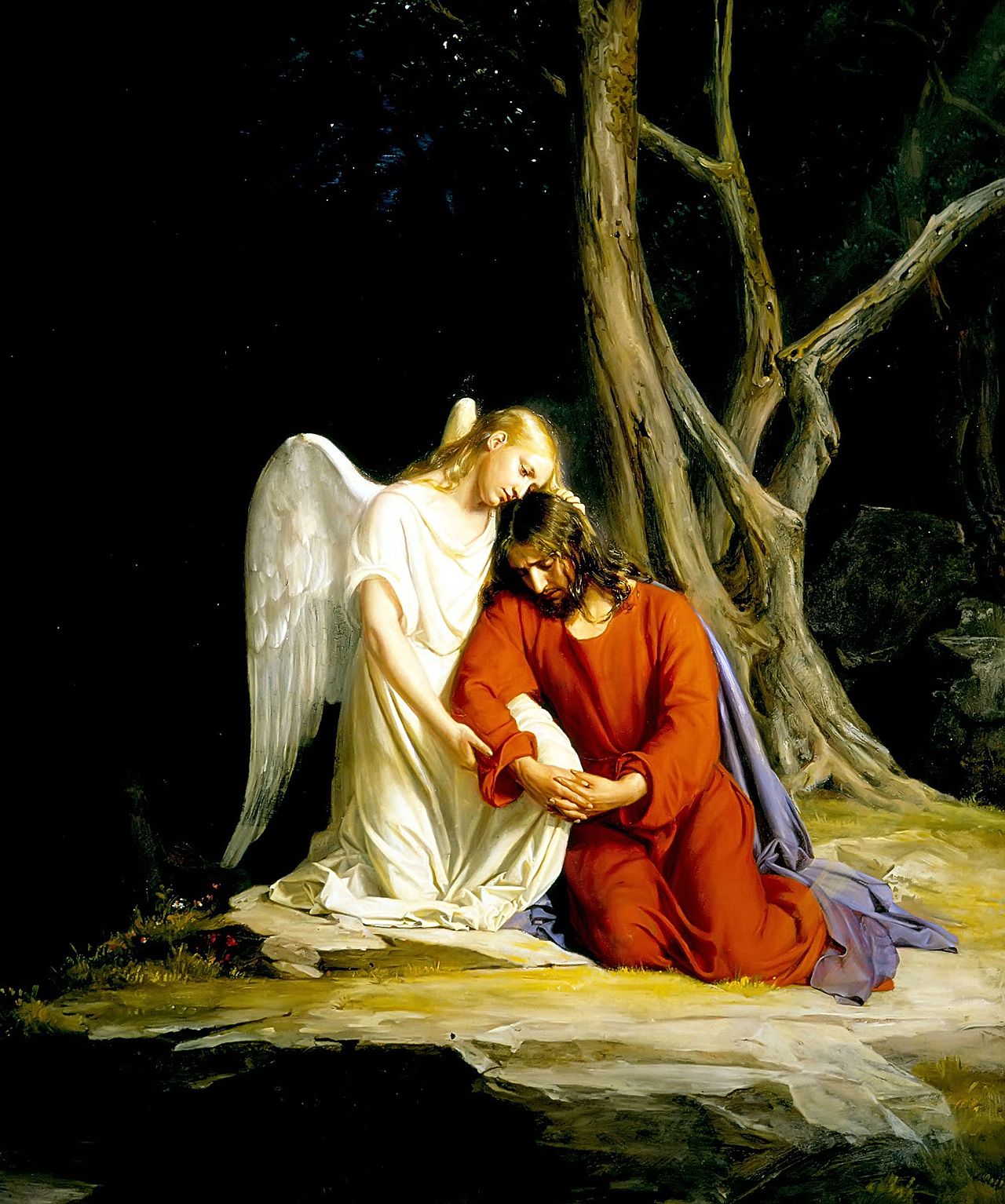
Bloch is often admired for the clarity of his narratives and the emotional realism of his figures. He painted portraits, scenes from contemporary life, mythological and historical episodes, but he is perhaps best remembered for his biblical series—works that present sacred stories as human dramas rather than abstractions. Critics note his warm palette, direct storytelling and careful staging, qualities that make his pictures readable and affecting to a broad public.
- Portraits and character studies: works such as the portrait of Kristian Mantzius capture individual presence and social detail.
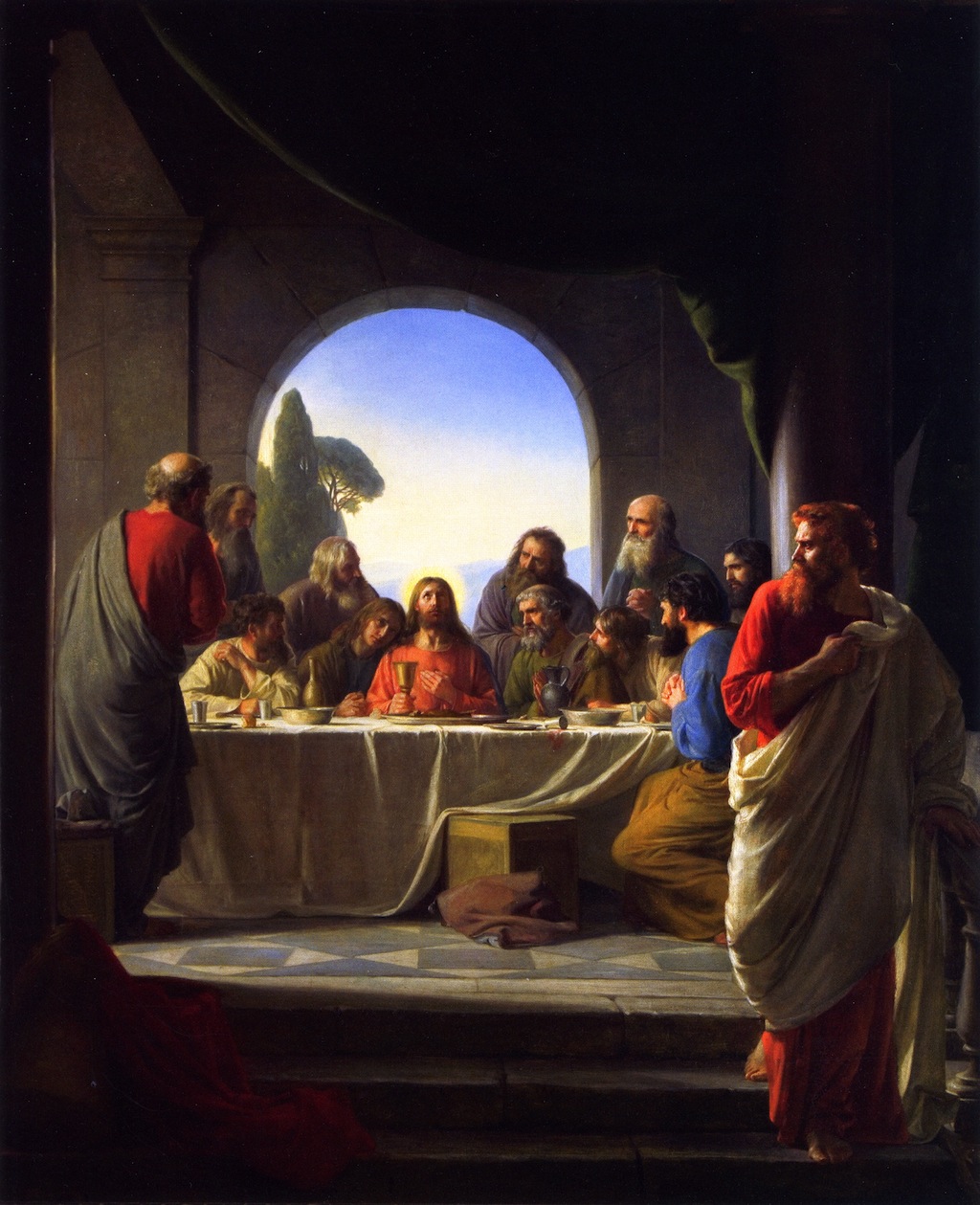
- Biblical scenes: notable examples include The Last Supper and Woman at the Well, which emphasize interpersonal moments within scriptural narratives.
- Epic and heroic subjects: paintings like Samson and the Philistines combine dramatic action with careful composition.
- Genre scenes: everyday interiors and tavern pictures such as In a Roman Osteria reveal his interest in lived experience.


Many of Bloch's religious paintings were reproduced and distributed widely in the 20th century, increasing his international visibility; some institutions and communities have used his illustrations for devotional and educational purposes. For additional context and images, see further reading on Bloch.
Today Bloch is considered a key figure in 19th-century Danish art: a painter who bridged academic and popular tastes, capable of both large public compositions and tender, intimate scenes. His works remain valued for their narrative power, technical skill and empathetic portrayal of human experience.
Related articles
Author
AlegsaOnline.com Carl Bloch: Danish Painter of History, Genre and Sacred Scenes Leandro Alegsa
URL: https://en.alegsaonline.com/art/16995