
Carbon County, Utah
Eastern Utah county centered on the city of Price, historically shaped by coal mining, railroads, and a mix of rural industries; home to outdoor recreation and a regional university campus.
Carbon County lies in the eastern interior of the Utah state. It is a largely rural county whose communities grew around energy resources and rail transportation. According to the 2010 census the county had 21,403 residents. The county government is based in the city identified as the county seat, Price.
Image gallery
2 Images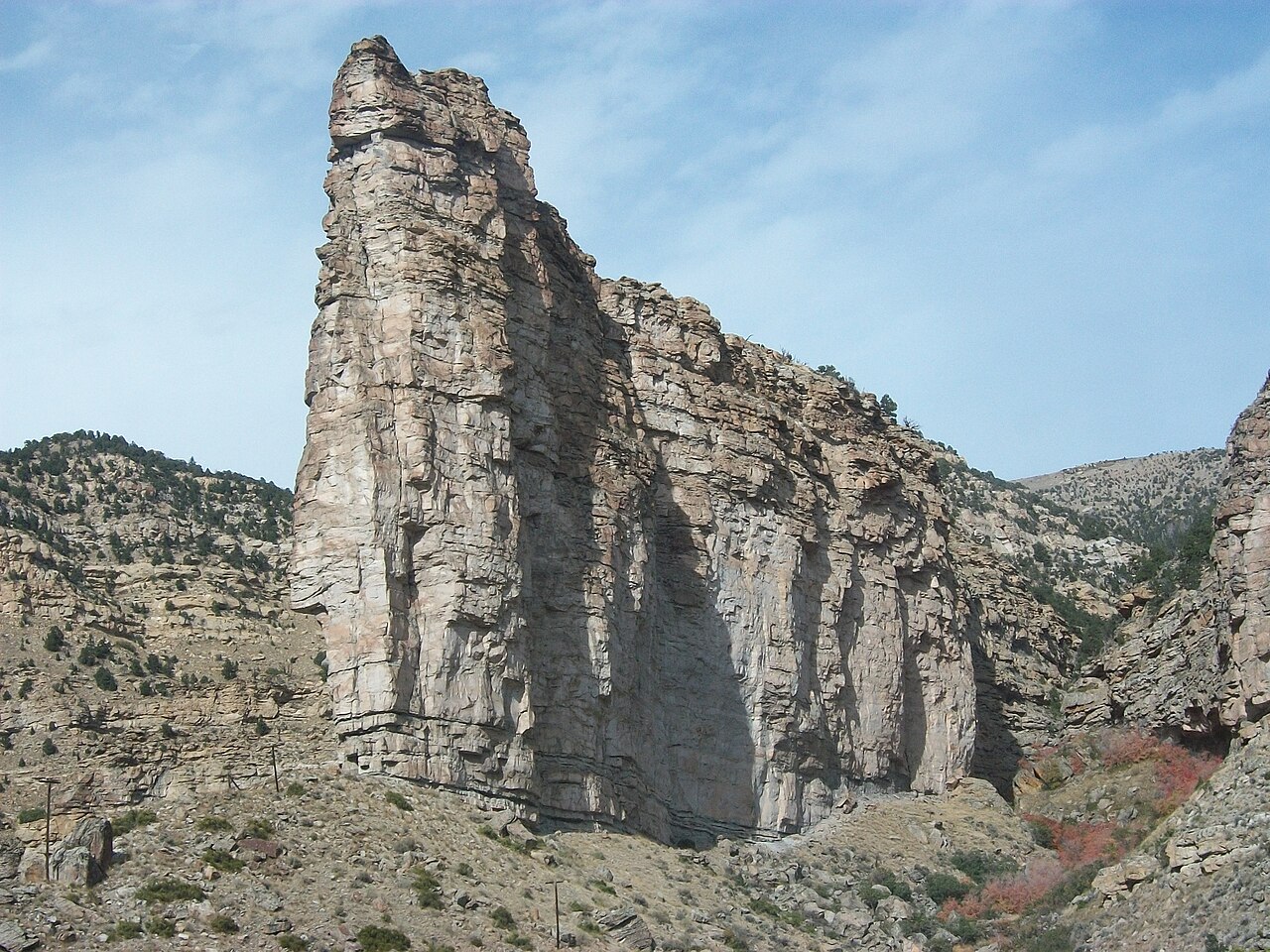

Geography and environment
Carbon County occupies varied terrain that includes rugged cliffs, rolling plateaus and valley basins. Semi‑arid climate and sagebrush steppe intermix with riparian corridors along rivers and streams. The landscape supports ranching and outdoor recreation such as hiking, hunting and off‑highway vehicle use, and it provides scenic access to geological formations and wide open spaces typical of eastern Utah.
History and development
The county's name reflects the presence of coal, a resource that attracted settlers and investment in the late 19th and early 20th centuries. Coal extraction, related railroad construction and the influx of miners and their families shaped towns and neighborhoods. Over time those industries produced a distinctive local culture, including a history of labor organizing and a mix of immigrant traditions.
Economy and institutions
Coal mining and energy production have been major economic drivers, supplemented by agriculture, government services and small manufacturing. Price is a regional center for commerce, health care and education; a campus of a state university serves students from the county and surrounding area. Tourism and recreation contribute to the economy through hunting, fishing, scenic driving and visits to historic sites.
Communities and attractions
- Price — county seat and primary service center with cultural institutions and regional services.
- Small towns and former mining camps — many retain historic downtowns, rail heritage and museums.
- Outdoor areas — cliffs, plateaus and river corridors provide opportunities for hiking, wildlife viewing and motorized recreation.
Visitors and residents often note Carbon County's layered history: indigenous presence before Euro‑American settlement, rapid growth tied to mineral extraction, and contemporary efforts to diversify the local economy while preserving cultural and natural resources. For further local details consult county resources and regional guides.
Related articles
Author
AlegsaOnline.com Carbon County, Utah Leandro Alegsa
URL: https://en.alegsaonline.com/art/16873
Sources
- factfinder2.census.gov : "American FactFinder"