
Canadian football
A distinct code of gridiron football played mainly in Canada, using a larger field, three-down play, twelve players per side and rules that favor a more open, kicking-oriented game.
Overview
Canadian football is a form of gridiron football played primarily in Canada. It shares common roots with other codes of football and with 19th-century rugby football, but has evolved its own rule set and playing traditions. The sport is organized at amateur and professional levels; the principal professional league is the Canadian Football League (CFL), and its championship game, the Grey Cup, is a long-standing national sporting event.
Image gallery
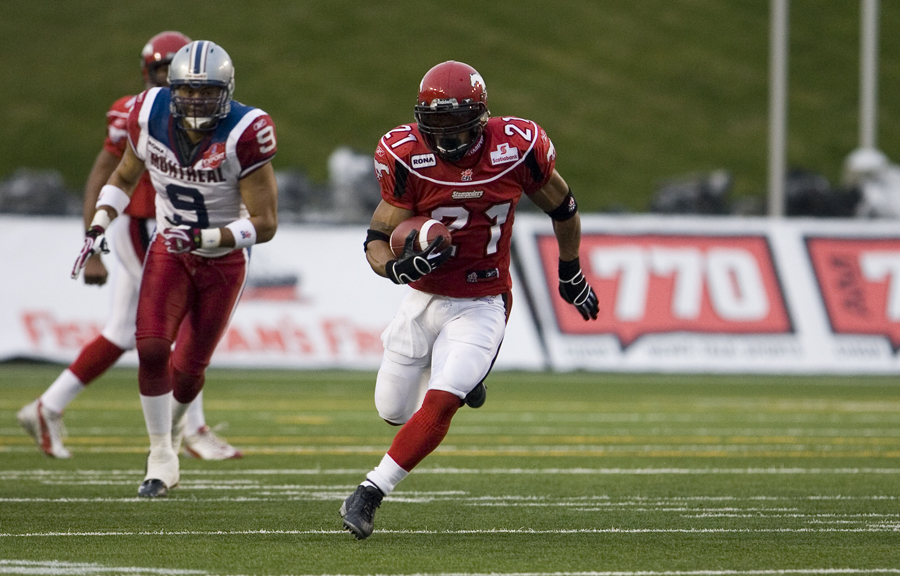
10 Images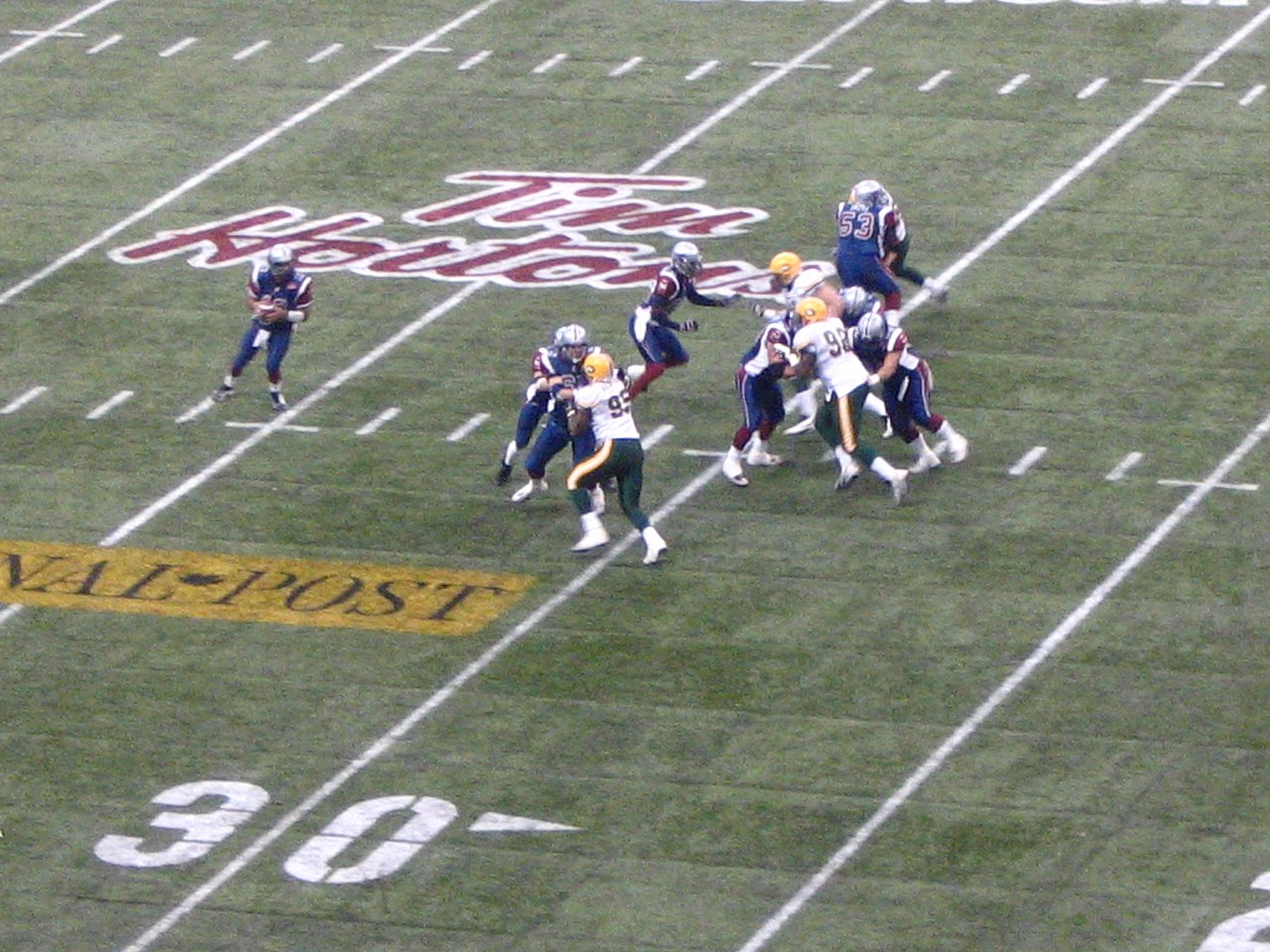




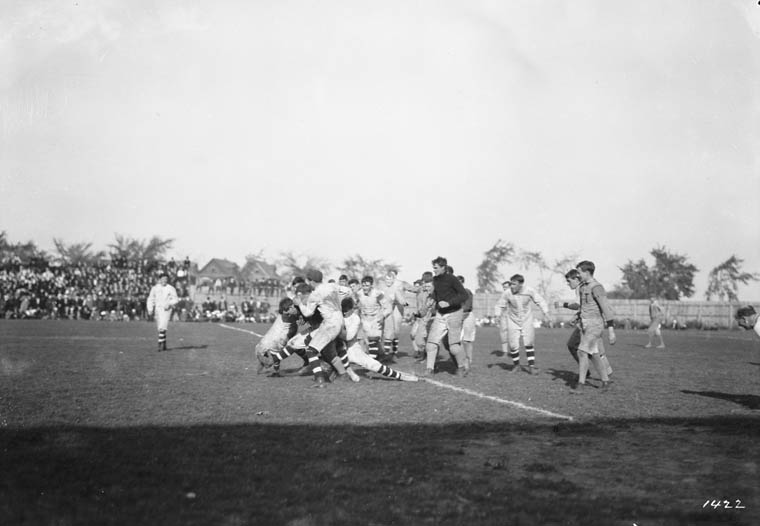
Field, players and basic rules
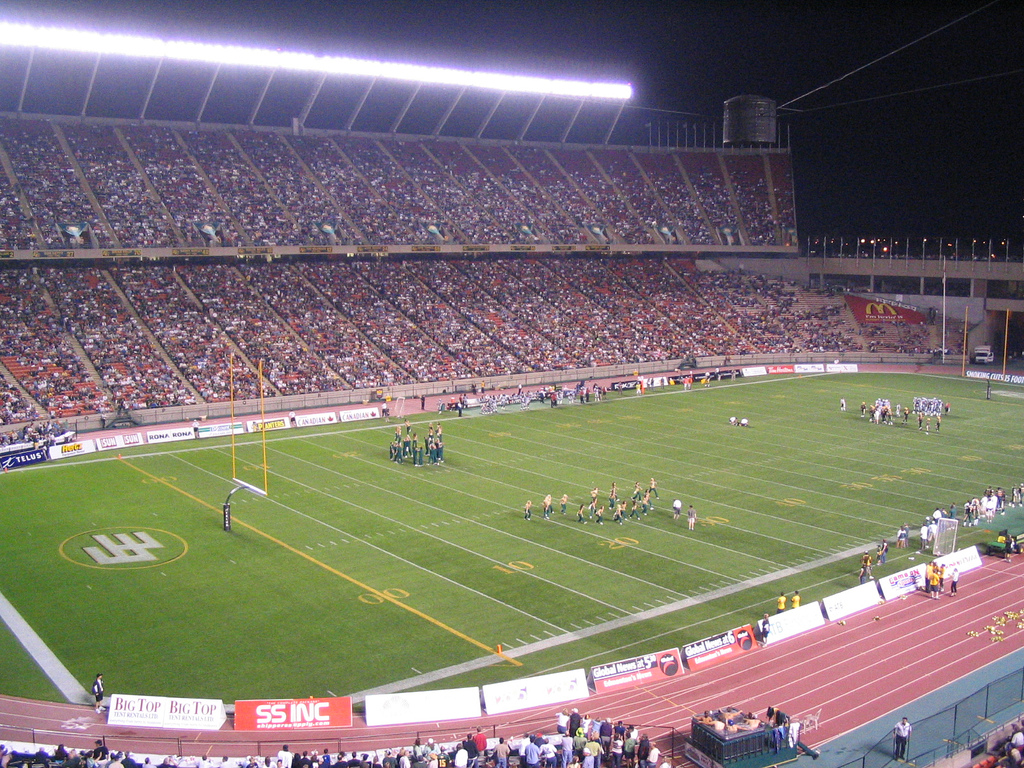
The playing surface and some core rules of Canadian football differ from those used in many other variants. A regulation Canadian field is larger than its American counterpart, with deeper end zones; this extra space affects offensive spacing and the role of kicking. Teams field twelve players at a time, and offences have three downs in which to advance the ball a required distance, a change that tends to encourage passing and kicking over repeated short runs.
- There are twelve players on the field for each side during play; roster size and substitution rules vary by competition and level. See information about team rosters and governance here.
- Offences are given three downs to gain the line-to-gain, which creates strategic differences from four-down systems and often leads to a more open, aerial style of play.
- More than one player may be in motion at the snap, and motion toward the line of scrimmage is permitted in ways that differ from some other codes; basic notes on motion and alignments are available here.
- Goalposts stand at the front of the end zone, which changes the geometry of kicking and special teams play compared with behind-the-endzone posts.
Scoring and distinctive features
Scoring in Canadian football is broadly similar to other gridiron games: touchdowns, conversion attempts, field goals and safeties are all used. A distinctive rule is the single, often called the "rouge," which awards one point on certain kicking plays when the receiving side does not return the ball out of its own end zone. As a result, punts, missed field goals and kickoff returns can carry additional strategic weight.
Gameplay and strategy
The combination of a larger field, an extra player and only three downs generally rewards speed, space creation and reliable kicking. Teams commonly prioritize schemes that stretch the defence, use multiple receiver formations and rely on special teams for field position. Defensive strategies likewise adapt to the wider field and the presence of an extra eligible receiver.
History and development
The sport developed from mid-19th-century football games that blended elements of rugby and association football. Over decades, rules committees and regional competitions in Canada refined the code into its modern form. University, amateur and junior organizations maintain rule sets largely compatible with the professional game while preserving local traditions and developmental pathways.
Organization and competitions
At the professional level the CFL is the best-known competition and organizes a regular season and playoffs culminating in the Grey Cup. Amateur football is governed by provincial and national bodies, and university football has its own championships. For schedules, governing bodies and official rules, consult the appropriate national and league resources; general background on Canadian competitions is available here.
Comparisons with other codes
When compared with American football and other gridiron codes, several practical differences are often noted. The field dimensions and end zone depth, the number of players per side, the three-down rule and the allowance for multiple players in motion are the most commonly cited distinctions. Technical references on rules and precise field measurements can be consulted here, and an overview that contrasts Canadian play with other forms is available here and a specific comparison to American rules is provided here.
These characteristics contribute to a style of play that many observers describe as faster paced and more reliant on kicking and passing. Canadian football remains an important part of Canadian sporting culture and continues to attract interest from fans and players internationally.
Related articles
Author
AlegsaOnline.com Canadian football Leandro Alegsa
URL: https://en.alegsaonline.com/art/16459