
Calaveritas, California
Calaveritas is a small unincorporated Gold Rush–era community in Calaveras County, California, known for its historic character, Spanish name, and ties to 19th‑century mining settlements.
Overview
Calaveritas is an unincorporated community in Calaveras County, California. Located in the Sierra Nevada foothills, the place is best known as a remnant of the mid‑19th century Gold Rush era. As an unincorporated community it lacks a municipal government and is administered at the county level, which is typical for many small rural settlements in the region.
Image gallery
2 Images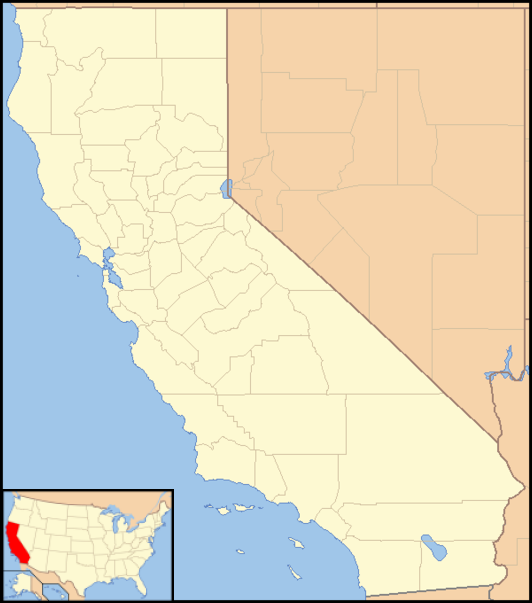

History and name
The settlement dates back to the Gold Rush period and grew around mining activity and related services. Its Spanish name, Calaveritas, is a diminutive form of the word for skull and reflects the Spanish language influence in California place names. Like other mining towns of that era, Calaveritas saw periods of boom and decline as miners moved on or operations became less profitable.
Characteristics and setting
Calaveritas retains a rural, historic character: narrow lanes, older buildings, and scattered foundations or mining remnants are part of its landscape. The community sits among oak woodlands and rolling hills that are typical of the western Sierra Nevada foothills. Nearby historic towns such as Angels Camp and Mokelumne Hill share similar Gold Rush heritage and are often mentioned together when discussing regional history.
Today and points of interest
Today Calaveritas attracts visitors interested in history, scenic drives, and low‑impact recreation. Points of interest are largely informal — historic structures, old cemeteries, and traces of mining activity — rather than developed tourist facilities. Researchers, genealogists, and local history enthusiasts consult county records and local historical societies for deeper information about families and events connected to the town.
Administration and notable facts
- Governance: No city council; services provided by Calaveras County.
- Heritage: Typical example of Gold Rush‑era settlement patterns in California.
- Access: Approached by county roads and often visited in conjunction with nearby historic communities.
For concise local information and official details, county resources and regional historical organizations are the best starting points. Calaveritas illustrates how many small communities in California preserve the physical and cultural traces of the Gold Rush while remaining quiet, primarily residential or historic places rather than incorporated towns.
Related articles
Author
AlegsaOnline.com Calaveritas, California Leandro Alegsa
URL: https://en.alegsaonline.com/art/16028