
Caldwell Parish, Louisiana
Caldwell Parish is a rural parish in northern Louisiana with Columbia as its parish seat. It had a population of 10,132 at the 2010 census and is known for forestry and agriculture.
Overview
Caldwell Parish (French: Paroisse de Caldwell) is an administrative parish — the Louisiana equivalent of a county — located in the U.S. state of Louisiana. In Louisiana's system of local government the term parish is used instead of county. Caldwell Parish is predominantly rural, with small towns, forested areas and waterways shaping its character.
Image gallery
8 Images


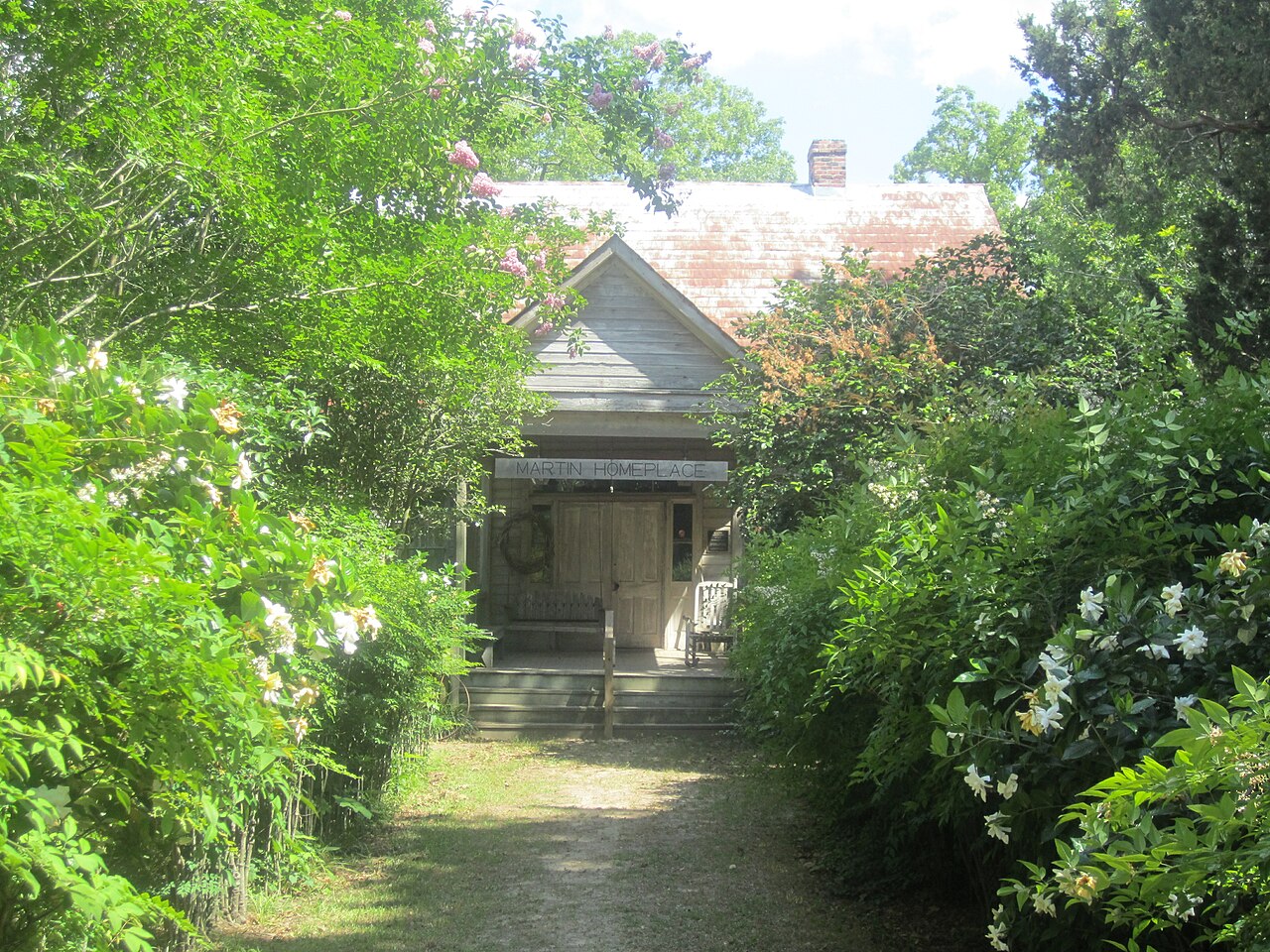
Population and seat
According to the 2010 census, the parish had 10,132 residents. The parish seat and largest incorporated town is Columbia, which serves as the center for local government, commerce and community events. Population density is low compared with urban parishes, and demographic trends reflect wider patterns of rural Louisiana.
Geography and natural features
Caldwell Parish lies in the north-central portion of the state and features a mix of pine and hardwood forests, farmland, and small rivers and bayous. The landscape supports timber production and outdoor recreation such as hunting and freshwater fishing. Local roads connect dispersed settlements and agricultural properties rather than large urban centers.
History and development
The parish was formed during the 19th century as settlers moved into northern Louisiana. Over time its economy shifted from subsistence farming to include commercial timber and other rural industries. Historic towns developed along waterways and old trade routes; many small communities retain a close-knit, locally focused character.
Economy, culture and government
The local economy is dominated by forestry, agriculture and small-scale commerce. Cultural life in Caldwell Parish reflects rural Louisiana traditions—community churches, local fairs and outdoor activities are important social anchors. Local government follows Louisiana practice with elected parish officials and a governing body that manages services such as roads, law enforcement and public records.
Quick facts
- Administrative type: parish (parish in Louisiana)
- Parish seat: Columbia
- Population (2010): 10,132
- French name: Paroisse de Caldwell
- State: Louisiana (state designation)
Caldwell Parish remains representative of many rural parishes in the region: natural-resource based, community-oriented and historically rooted in 19th-century settlement patterns. For detailed statistics, maps and services consult local parish offices or regional information sources.
Tags
Related articles
Author
AlegsaOnline.com Caldwell Parish, Louisiana Leandro Alegsa
URL: https://en.alegsaonline.com/art/16066
Sources
- quickfacts.census.gov : "Caldwell Parish, Louisiana"
- naco.org : "Find a County" · web.archive.org