
Cadmium sulfate (CdSO4): properties, uses, and safety
Cadmium sulfate (CdSO4) is an inorganic cadmium salt of sulfate. This article summarizes its composition, common forms, preparation, applications, and health and environmental concerns.
Overview
Cadmium sulfate is an inorganic salt composed of cadmium cations and sulfate anions with the chemical formula CdSO4. For general reference see Cadmium sulfate. It typically occurs as a colorless crystalline solid or as hydrated crystals and serves as a soluble source of cadmium ions in chemical processes.
Image gallery
2 Images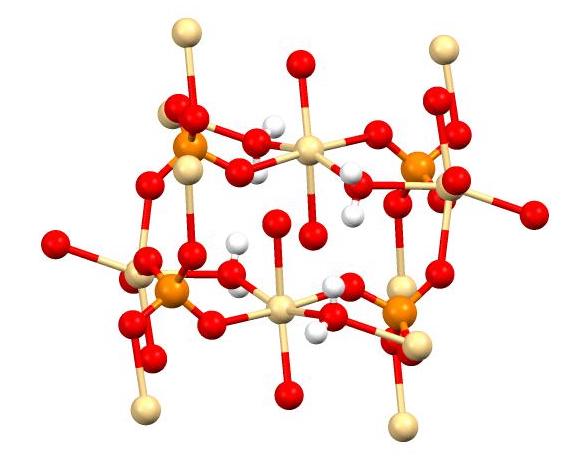
Structure and basic properties
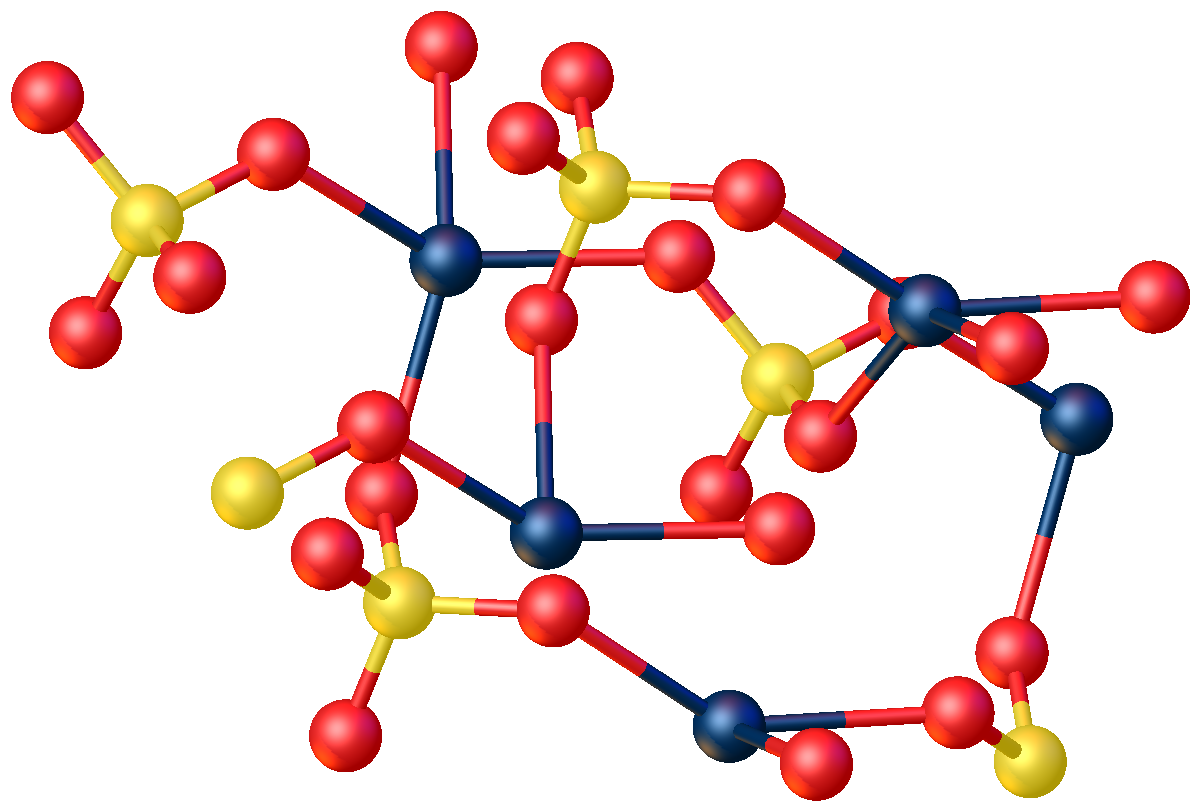
In cadmium sulfate the metal exists as the divalent ion Cd2+, paired with the sulfate anion SO4(2−). The salt can form hydrates in which water molecules coordinate the cadmium ion and integrate into the crystal lattice. It is water soluble to a useful extent and behaves as an ionic compound in solution, releasing cadmium ions that participate in coordination and precipitation reactions.
Preparation and common forms
Cadmium sulfate is commonly prepared by treating cadmium metal, oxide, or carbonate with dilute sulfuric acid, producing the sulfate and water. Industrial and laboratory samples may be obtained as the anhydrous salt or as hydrated crystalline forms; the crystalline habit and hydration state affect handling and storage.
Uses and applications
- Source of cadmium(II) ions in laboratory chemistry and analytical procedures.
- Electroplating baths and surface treatments where controlled cadmium deposition is required.
- Intermediate in the synthesis of other cadmium compounds and in certain manufacturing processes.
Safety, toxicity, and regulation
Cadmium compounds are toxic and pose serious health and environmental hazards. Exposure can damage kidneys, bones, and the respiratory system, and many cadmium compounds are classified as carcinogenic. Because of these risks, use, disposal, and emissions of cadmium sulfate are subject to strict workplace and environmental regulations; appropriate protective measures and waste controls are essential.
Distinctions and notable facts
Cadmium sulfate differs from other cadmium salts (such as chlorides or nitrates) in anion chemistry and hydration behavior, which affect solubility and reactivity. Its practical applications have declined in some areas because of toxicity concerns, and safer alternatives are often sought in industry. For background on the metal itself see cadmium and for more on the sulfate ion see sulfate.
Related articles
Author
AlegsaOnline.com Cadmium sulfate (CdSO4): properties, uses, and safety Leandro Alegsa
URL: https://en.alegsaonline.com/art/15925