
Cadmium telluride (CdTe)
Cadmium telluride (CdTe) is a binary semiconductor used in thin-film photovoltaics, radiation detectors and infrared optics; it has a direct band gap and strong optical absorption but contains toxic cadmium.
Cadmium telluride is an inorganic compound with the chemical formula CdTe. It is a binary II–VI semiconductor formed from cadmium cations and telluride anions and is often encountered in both polycrystalline thin-film and single-crystal forms. For a concise technical overview see further reference.
Image gallery
2 Images
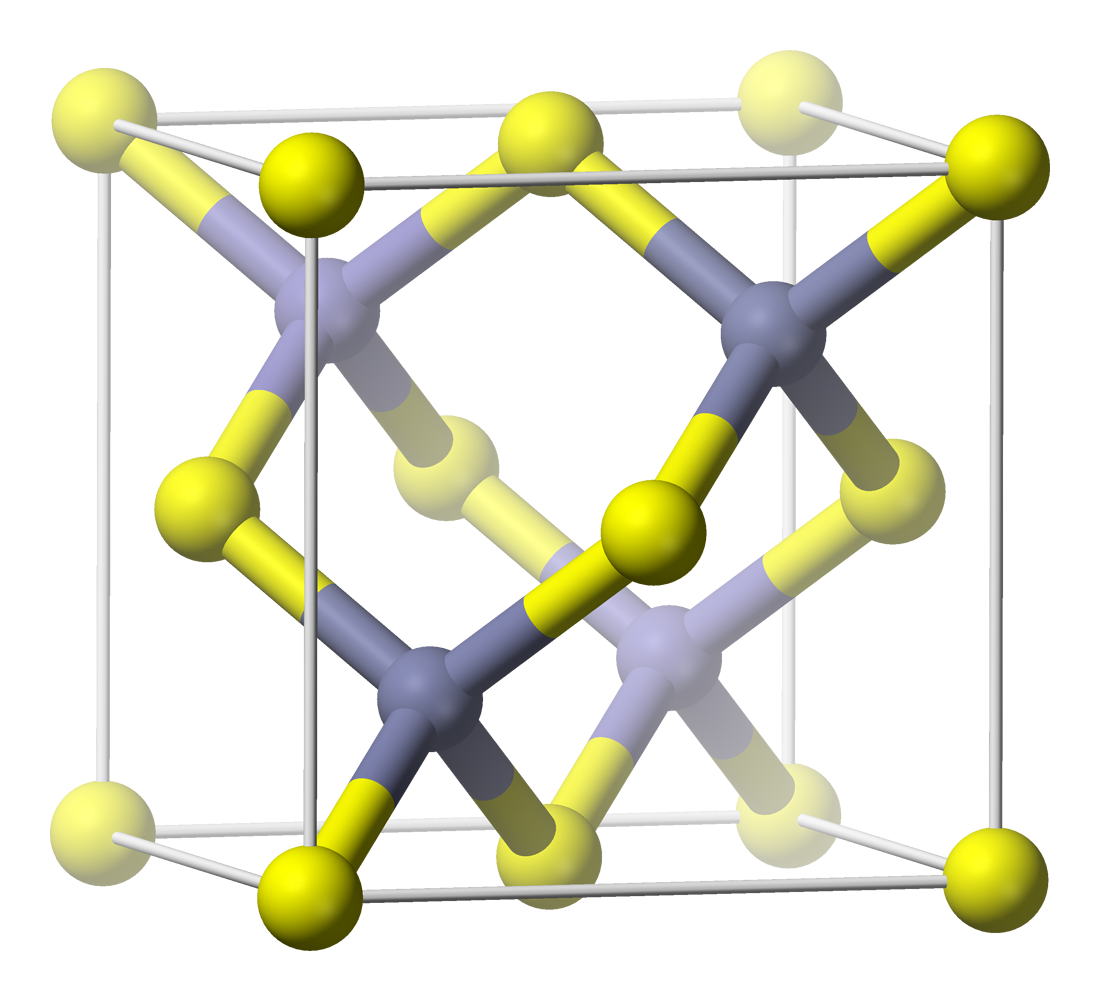
Key physical and electronic properties
- Crystal and bonding: CdTe crystallizes in the zinc blende (cubic) structure under standard conditions and can be described as having significant ionic and covalent character.
- Band gap: It has a direct band gap near room temperature of approximately 1.44 eV, which is well suited for converting visible sunlight into electricity.
- Optical absorption: The material exhibits a very high absorption coefficient, allowing efficient light absorption in films only a few micrometers thick.
- Electrical behavior: Carrier type and concentration can be altered by doping; both polycrystalline films and single crystals are used depending on the application.
Common production methods for CdTe thin films include close-spaced sublimation, vapour deposition, sputtering and electrodeposition. Single-crystal CdTe is grown for high-resolution X-ray and gamma-ray detectors by techniques such as the Bridgman or traveling heater method. For detailed process descriptions consult technical resources here.
The material entered scientific and industrial use in the 20th century as semiconductor research matured. Interest in CdTe grew because its band gap matches the solar spectrum well and because it can be deposited as a thin layer, reducing material use and potentially lowering cost. Development of commercial CdTe photovoltaic modules accelerated in the late 20th and early 21st centuries alongside improvements in deposition and module encapsulation.
Applications of CdTe include thin-film photovoltaic modules, X‑ and gamma‑ray detectors, infrared optical components and certain types of photodetectors. CdTe is also alloyed with zinc to form CdZnTe (CZT), a material commonly used for room-temperature radiation detectors because of its favorable electrical properties.
Safety and environmental considerations are central to CdTe use because cadmium is toxic and regulated in many jurisdictions. Manufacturing and end-of-life management typically require encapsulation, controlled handling, and recycling programs to limit cadmium release. Industry and regulators publish guidance on safe use and disposal; see regulatory and safety summaries here.
Notable distinctions: CdTe is one of the main thin-film photovoltaic technologies and is prized for its high absorption per thickness and suitability for large-area coating. Its advantages must be weighed against toxicity concerns and the need for proper recycling and containment. For historical summaries and technical comparisons, additional material is available at this source.
Related articles
Author
AlegsaOnline.com Cadmium telluride (CdTe) Leandro Alegsa
URL: https://en.alegsaonline.com/art/15927