
Buto (Per-Wadjet) — ancient city of the Nile Delta
Buto (Greek Butos), Egyptian Per‑Wadjet, was an important eastern Nile Delta city and cult center of the cobra goddess Wadjet. The archaeological site is identified with modern Kem Kasir, east of Alexandria.
Overview
Buto, called Per‑Wadjet in Egyptian and known to the Greeks as Butos, was a major settlement in the eastern Nile Delta. The site is traditionally identified with the ruins near the modern locality called Kem Kasir, about 95 km east of Alexandria in Egypt. Occupation at the site stretches from prehistoric and Predynastic phases into the historic Pharaonic period, making Buto important for studies of Delta cultural development.
Image gallery
2 Images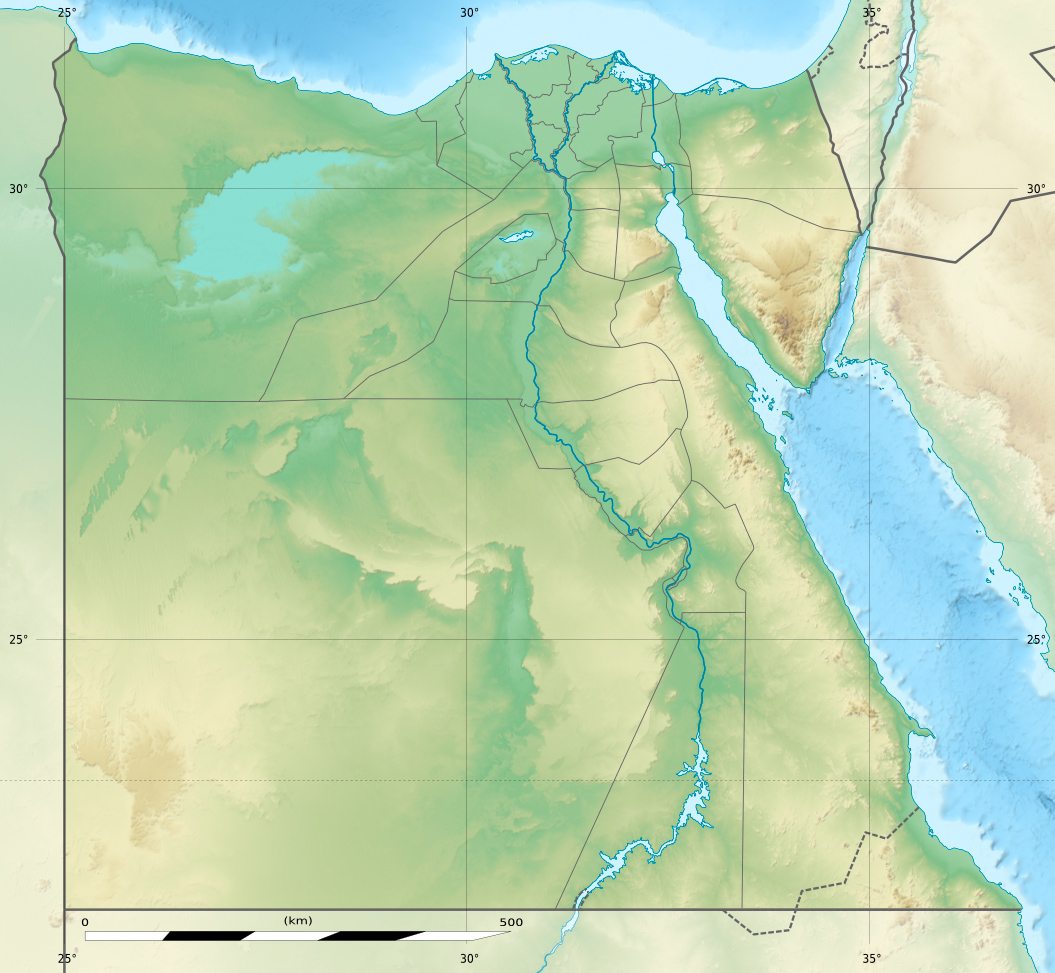

Names and location
The Egyptian name Per‑Wadjet means "House of Wadjet," reflecting the town's association with the local protective deity. Its position in the lower Nile floodplain and near the mouths of the Nile's branches helped shape its role as a regional center for administration, ritual and trade within the complex riverine environment of Lower Egypt.
Religious significance
Buto was best known as the principal cult center of the cobra goddess Wadjet, patron and protector of Lower Egypt. Wadjet’s image, often shown as a rearing cobra (the uraeus), became an enduring symbol of kingship and royal protection. The town’s temples and cult installations reinforced its symbolic connection to the early Egyptian state.
Archaeology and material culture
Archaeological work at the site and nearby mounds has produced sequences of pottery, burials, temple foundations and votive objects documenting long‑term occupation. Finds from Predynastic horizons show local Delta traditions as well as contacts with other regions. Stratified deposits attest to changing settlement patterns, religious architecture and economic links during the formation of the Egyptian state.
History, legacy and study
Buto features in traditions about the unification of Upper and Lower Egypt because of its cultural prominence in the Delta and its association with royal symbolism. Artifacts attributed to the site are held in regional and national collections and feature in summaries of ancient Egyptian urbanism and religion. Modern researchers continue to reassess the site’s chronology and role through fieldwork and comparative studies of Delta archaeology.
Related articles
Author
AlegsaOnline.com Buto (Per-Wadjet) — ancient city of the Nile Delta Leandro Alegsa
URL: https://en.alegsaonline.com/art/15663
Sources
- tools.wikimedia.de : 31°11′47″N, 30°44′41″E