
Butte County, Idaho
Butte County, Idaho, is a sparsely populated rural county founded in 1917. Its seat is Arco. Known for volcanic landscapes, outdoor recreation and historical ties to early nuclear power research.
Overview
Butte County is a rural county in the U.S. state of Idaho. It recorded 2,891 residents at the time of the 2010 census. The administrative center and largest community is Arco, which also serves as the county seat. Created in 1917, the county is characterized by wide open spaces, low population density and a landscape shaped by volcanic activity and high-desert plains.
Image gallery
2 Images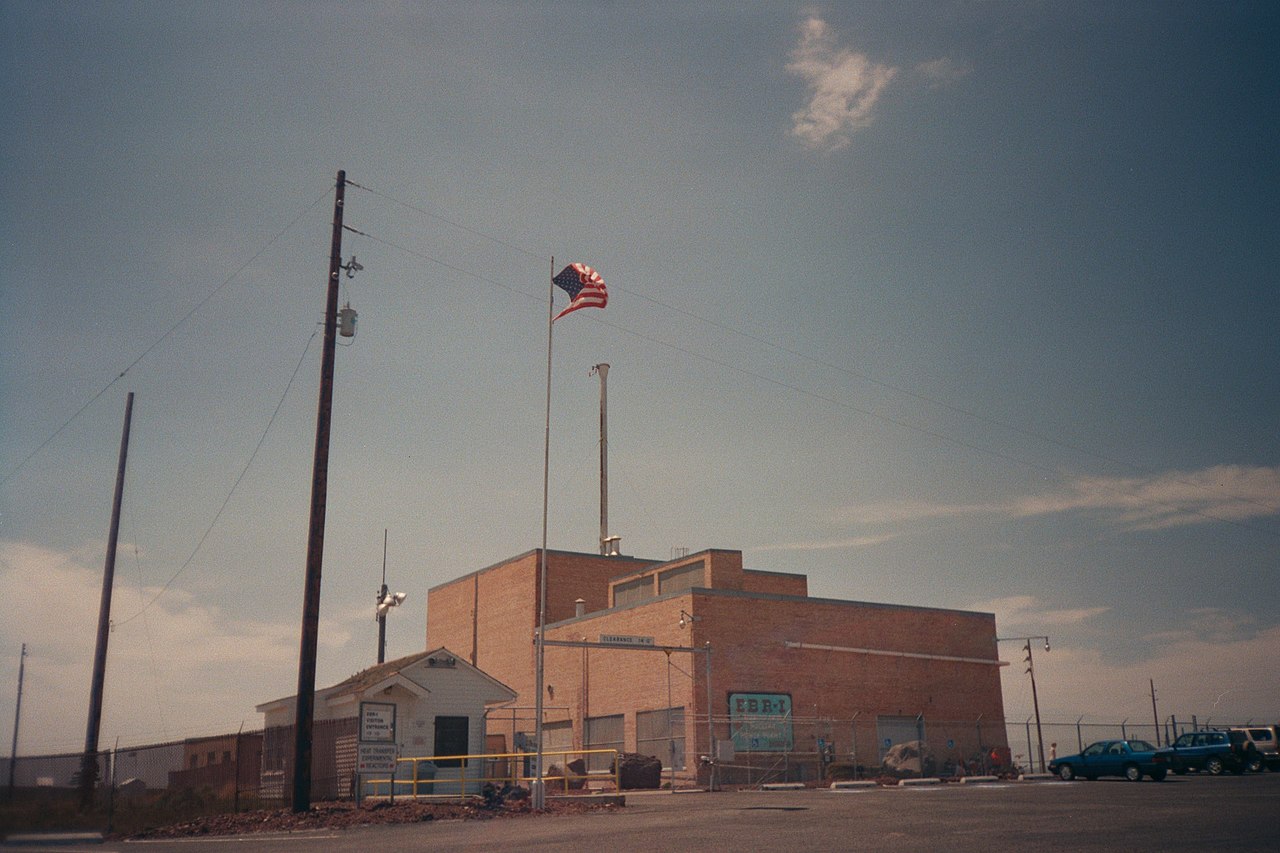

Geography and environment
Located in central-eastern Idaho, the county contains rolling sagebrush country, volcanic fields and expanses of public land. Its terrain supports ranching and outdoor recreation and provides access to dark skies and remote natural areas. Elevation and soil types vary, influencing local land use and wildlife habitat.
History
Butte County was organized in 1917 from portions of neighboring counties. Its early economy centered on ranching, small-scale agriculture and mineral exploration in nearby ranges. Arco drew national attention in the 1950s when it became one of the first communities supplied with electricity generated by a nuclear reactor, reflecting the region's association with mid-20th-century energy research.
Population and government
As one of Idaho's least populous counties, local government focuses on core services such as roads, public safety and land management across a large area with scattered settlements. Schools, clinics and commercial services are concentrated in Arco, which functions as the primary hub for residents and visitors.
Economy and points of interest
The local economy is driven by ranching, agriculture, public-land recreation and employment tied to nearby research and energy installations. Visitors typically come for scenic drives, volcanic formations and outdoor activities. Notable attractions and resources include:
- Craters of the Moon and other volcanic features accessible from the county
- Extensive public lands for hiking, hunting and stargazing
- Historic sites and museums in Arco that interpret local ranching and energy history
Related articles
Author
AlegsaOnline.com Butte County, Idaho Leandro Alegsa
URL: https://en.alegsaonline.com/art/15669
Sources
- quickfacts.census.gov : "State & County QuickFacts"
- naco.org : "Find a County" · web.archive.org