
Byzantine calendar (Anno Mundi) — structure, history, and legacy
A calendar era used by the Byzantine state and Eastern Orthodox churches that counts years from a creation epoch (1 Sept 5509 BC) and begins the civil year on 1 September.
Overview
The Byzantine calendar, often called the Byzantine era or Anno Mundi ("year of the world"), is a system that counts years from a fixed creation epoch and organizes the civil year to begin on 1 September. It was closely aligned with the Julian calendar in its month lengths and leap year rules, but differs in its epoch and in beginning the new year on 1 September rather than 1 January.
Image gallery
2 Images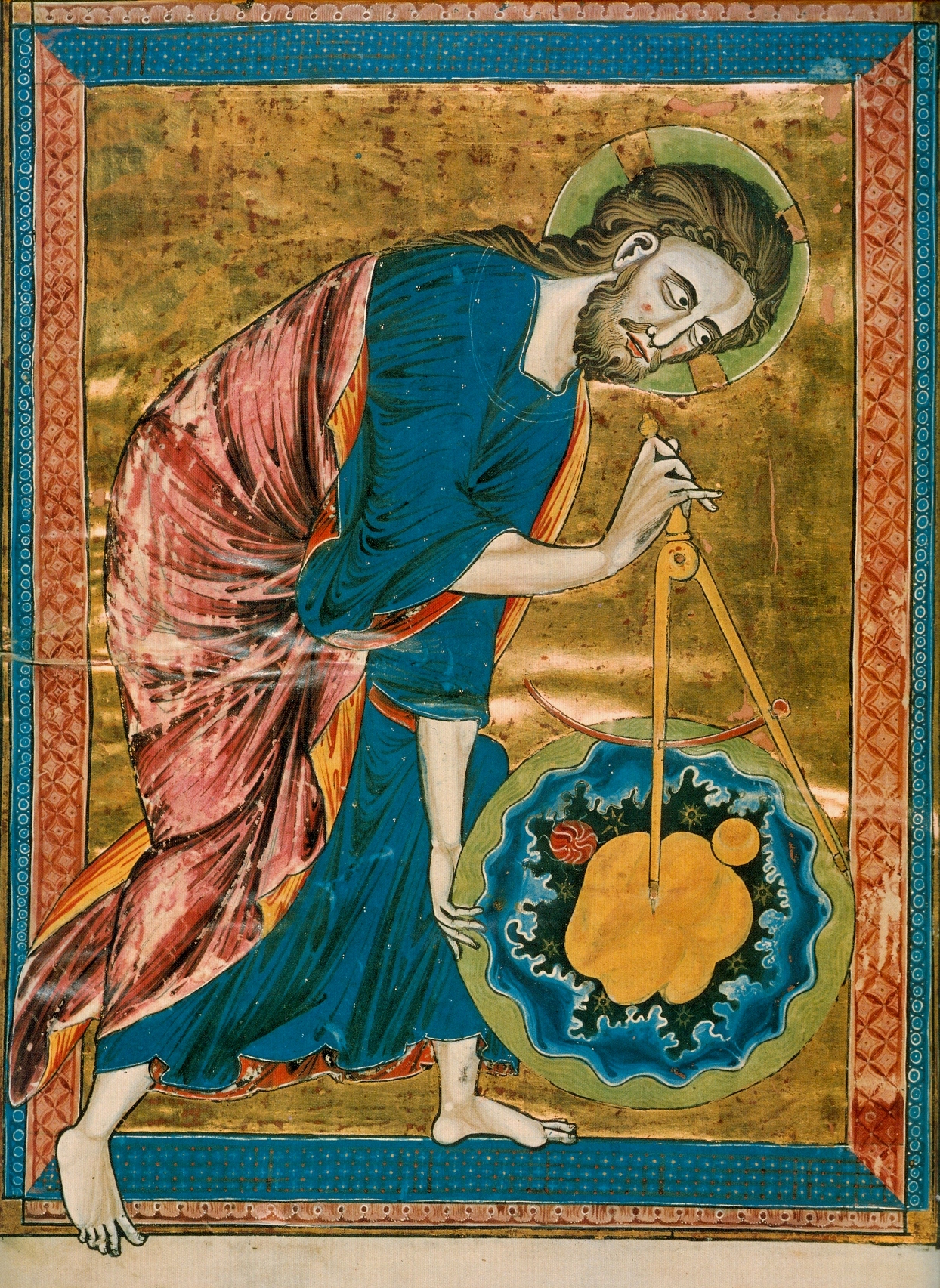

Basic characteristics
- Epoch: The era begins with a calculated date of creation conventionally placed at 1 September 5509 BC (that is, the first year runs from 1 September 5509 BC to 31 August 5508 BC).
- New year: The civil year starts on 1 September; the liturgical year in many Eastern Orthodox traditions also begins then.
- Calendar mechanics: Months and leap-year rules follow the Julian pattern, so month lengths are the same as in the Julian system.
Historical development and adoption
The era was adopted gradually in the eastern Christian world. It was used by clerical and ecclesiastical authorities from the early medieval period, becoming common in Byzantine administrative documents and chronography. The Byzantine state officially employed this system for dating documents from about the late 10th century until the empire's fall in 1453. It was also the principal civil calendar in medieval Russia after the Christianization of Kievan Rus' and remained in use there until state reforms at the end of the 17th century.
Uses, conversion and examples
The system is primarily a dating convention: years are expressed as Anno Mundi (AM) numbers. For practical conversion to AD/CE a rough method is used — the AD year plus about 5508 or 5509 gives the AM year, depending on whether the date falls before or after 1 September. Because the Byzantine calendar follows Julian leap-year practice, civil dates align with the Julian calendar but not with the later Gregorian scheme.
Legacy and distinctions
The Byzantine calendar differs from the Julian calendar (Julian calendar) mainly by its epoch and by starting the year on 1 September. It remained influential in Eastern Orthodox practice: many churches still begin their liturgical year on 1 September and some historical records are dated in Anno Mundi notation. The calendar was used by ecclesiastical authorities such as the Eastern Orthodox Church and by states including medieval Russia (Russia) until later calendar reforms replaced it with other systems.
Notable facts
- The choice of a creation date reflects medieval theological chronography rather than modern scientific chronology.
- Because different chroniclers applied slightly different calculations, small variations in epochal arithmetic appear in some sources; modern historians therefore exercise care when converting dates.
Questions and answers
Q: What is the Byzantine calendar?
A: The Byzantine calendar is a calendar that was used by the Eastern Orthodox Church from 691 A.D. to 1728, by the Byzantine empire from 988 A.D. to 1453, and by Russia from 988 A.D. to 1700.
Q: How is the Byzantine calendar different from the Julian calendar?
A: The Byzantine calendar is similar to the Julian calendar, but it starts the year on 1 September instead of 1 January.
Q: When did the Byzantine empire fall, and until when was the calendar used by Russia?
A: The Byzantine empire fell in 1453, and the calendar was used by Russia until 1700.
Q: When does year one of the Byzantine calendar begin and end?
A: Year one of the Byzantine calendar begins on 1 September, 5509 B.C. and ends on 31 August, 5508 B.C.
Q: Was the Byzantine calendar used worldwide?
A: No, the Byzantine calendar was mainly used by the Eastern Orthodox Church, the Byzantine empire, and Russia.
Q: Why did the Byzantine empire start the year on 1 September instead of 1 January?
A: The reason for starting the year on 1 September instead of 1 January is not clear, but it may be related to the agricultural cycle or the start of the fiscal year.
Q: When was the Byzantine calendar last used?
A: The Byzantine calendar was last used in 1728.
Related articles
Author
AlegsaOnline.com Byzantine calendar (Anno Mundi) — structure, history, and legacy Leandro Alegsa
URL: https://en.alegsaonline.com/art/15754
Sources
- byzantineempires.org : "Byzantine Empire Calendar"
- timeanddate.com : "The Gregorian calendar"
- biography.com : "Peter the Great Biography"
- novaonline.nvcc.edu : "Notes on the Russian Calendar"