
Byzantine Greeks
Greek-speaking inhabitants of the Byzantine (Eastern Roman) Empire who maintained Hellenic language and culture, practiced Eastern Christianity, lived under Roman law, and shaped medieval art, learning, and administration.
Overview
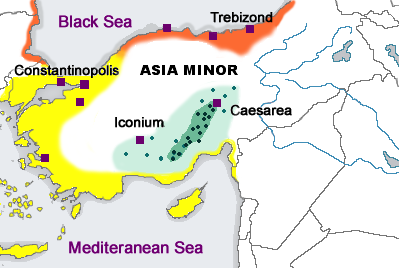
The Byzantine Greeks were the Greek-speaking population of the Eastern Roman, commonly called Byzantine, Empire. They lived across the imperial lands, including the Greek mainland, islands, and Asia Minor, under an imperial framework sometimes referred to as the Byzantine Empire. Over centuries they combined classical Greek heritage with Roman administrative traditions and Christian religion to form a distinct medieval civilization.
Image gallery
9 Images




Language and identity
Medieval Greek was the everyday tongue and the medium of literature, administration, and liturgy. Identity among Byzantine Greeks was multifaceted: many considered themselves Romans in a political sense, preserved a Hellenic intellectual tradition, and adhered to Eastern Christian rites. Local customs, dialects, and regional loyalties existed alongside a shared cultural and ecclesiastical framework that bound diverse communities together.
History and development
Emerging from the eastern half of the late Roman world, Byzantine Greek culture developed during Late Antiquity and the Middle Ages. Cities and monastic centers became repositories of classical learning and theological debate. Over time political changes, migrations, and external pressures reshaped the population and territories, yet Greek language and many cultural practices endured in regions such as Greece, the Aegean islands, and Asia Minor.
Society, economy, and culture
Byzantine Greek society included peasants, artisans, merchants, clergy, scholars, and soldiers. Urban life featured markets, workshops, schools, and churches. Cultural achievements included illuminated manuscripts, mosaic and icon art, theological writings, legal codifications, and Byzantine music. Monasteries preserved and copied classical and Christian texts, helping to transmit learning to later generations.
Religion and law
Eastern Christianity was central to communal life; liturgy, festivals, and church institutions shaped moral and social norms. Byzantine legal traditions blended Roman law with imperial legislation and ecclesiastical rules, influencing governance and daily disputes. The church and state relationship, with occasional tensions and cooperation, was a defining feature of public life.
Legacy and distinctions
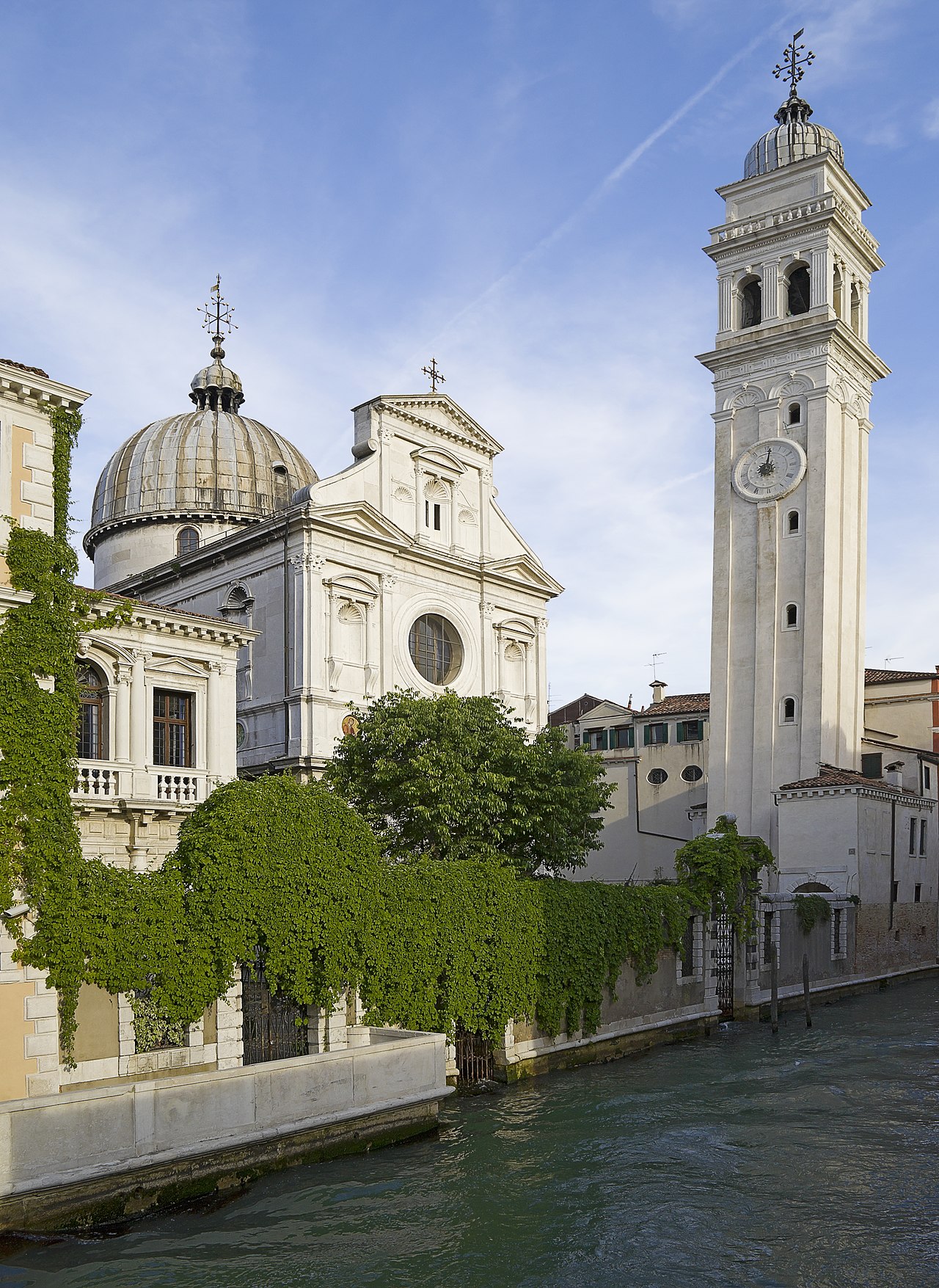
The legacy of the Byzantine Greeks includes the survival of Greek language and Orthodox Christian traditions, as well as the preservation of ancient texts and legal thought. Their art and architecture influenced neighboring cultures. It is important to distinguish the medieval Byzantine Greek cultural identity from both classical Greece and later modern national identities. For further reading on religious practices and regional history see Eastern Christian traditions and studies of Cyprus and other Byzantine regions.
- Key features: Greek language, Eastern Christianity, Roman legal heritage
- Common roles: farmers, traders, clerics, soldiers, intellectuals
- Enduring contributions: manuscript transmission, theology, art, law
Questions and answers
Q: Who were the Byzantine Greeks?
A: The Byzantine Greeks were the Greek people who lived in the lands of the Byzantine Empire during Late Antiquity and the Middle Ages.
Q: Where did the Byzantine Greeks live?
A: The Byzantine Greeks lived in lands of the Byzantine Empire, including Greece, Asia Minor, and Cyprus.
Q: What language did the Byzantine Greeks speak?
A: The Byzantine Greeks spoke medieval Greek.
Q: What aspects of culture did the Byzantine Greeks preserve?
A: The Byzantine Greeks preserved Greek culture.
Q: What law did the Byzantine Greeks obey?
A: The Byzantine Greeks obeyed Roman law.
Q: What religion did the Byzantine Greeks follow?
A: The Byzantine Greeks followed Eastern Christianity.
Q: What types of people made up Byzantine Greek society?
A: Byzantine Greek society included peasants, traders, teachers, soldiers, and priests.
Related articles
Author
AlegsaOnline.com Byzantine Greeks Leandro Alegsa
URL: https://en.alegsaonline.com/art/15756
Sources
- britannica.com : "Education: The Byzantine Empire"
- books.google.com : Byzantium: An Introduction to East Roman Civilization
- books.google.com : The Byzantine Empire
- books.google.com : The Byzantines
- books.google.com : Western Travellers to Constantinople: The West and Byzantium, 962–1204: Cultural and Political Relations
- books.google.com : Siren Feasts: A History of Food and Gastronomy in Greece
- books.google.com : Warfare, State and Society in the Byzantine World, 565–1204
- books.google.com : Greeks and Barbarians
- books.google.com : People and Power in Byzantium: An Introduction to Modern Byzantine Studies
- books.google.com : Handbook of the Byzantine Collection
- books.google.com : The Food and Wine of Greece: More Than 250 Classic and Modern Dishes from the Mainland and Islands
- books.google.com : The Byzantine Economy
- gallica.bnf.fr : Le Premier Humanisme Byzantin [The First Byzantine Humanism]
- books.google.com : Homer and the Bible in the Eyes of Ancient Interpreters
- ejournals.epublishing.ekt.gr : "The Terms Ῥωμαῖος, Ελλην, Γραικος in the Byzantine Texts in the First Half of the 13th Century"