
Mujahideen: meaning, history, and modern usage
Mujahideen (plural of mujahid) denotes individuals engaged in jihad—historically a religious struggle—and in modern contexts describes various militant or insurgent groups, especially those from the Soviet–Afghan War onward.
Mujahideen is the plural of the Arabic term mujahid (مجاهد), often translated as "one who struggles". In classical Islamic thought the root concept refers to striving in the path of God, which can mean personal, moral, or military struggle. In modern usage the word has become associated with irregular fighters who frame their campaigns in religious terms. The Arabic term is sometimes presented with explanatory links, for example mujāhidīn as a transliteration and form of the word.
Image gallery
4 Images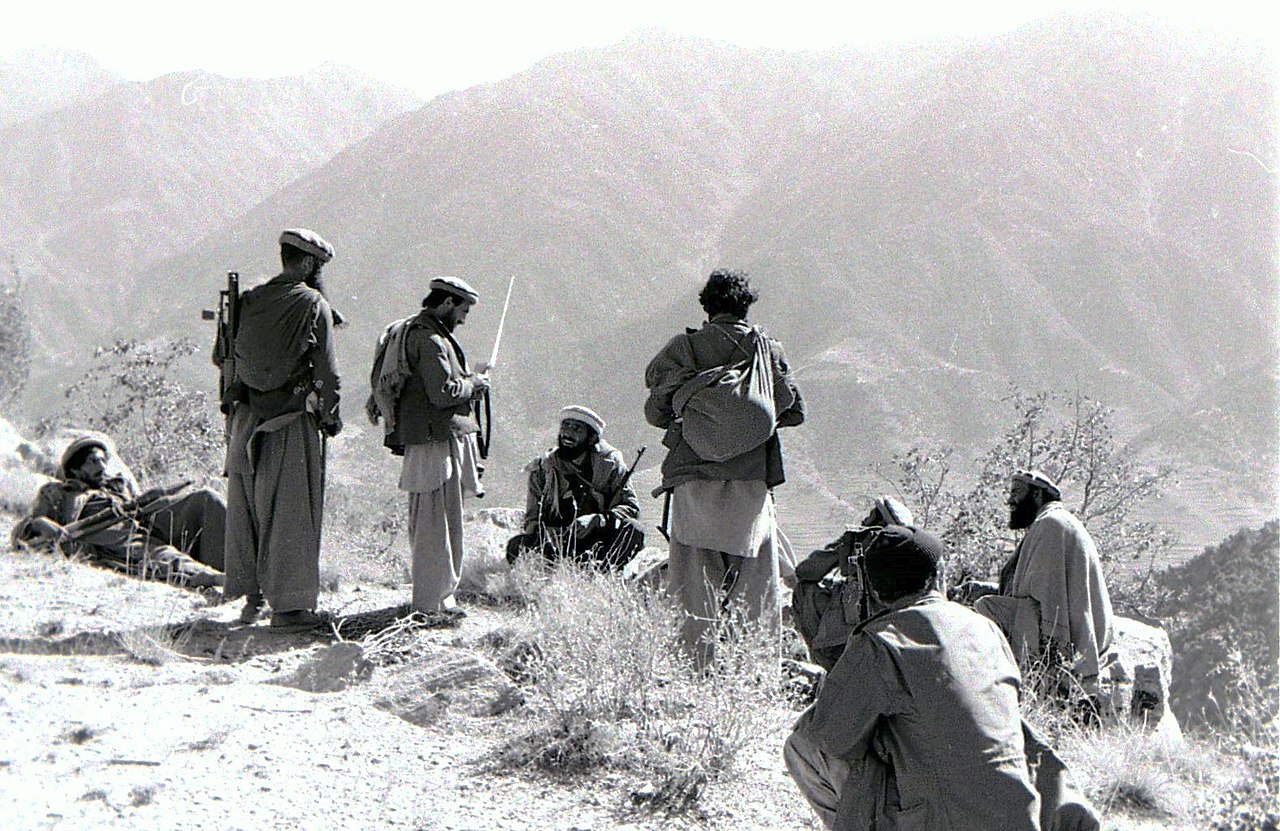


Origins and historical development
The contemporary popularization of "mujahideen" began in the late 20th century. It was widely used to describe Afghan and allied fighters who resisted the Soviet military intervention in Afghanistan (1979–1989). That conflict attracted local and foreign volunteers, and drew support or intervention from a number of states and non-state actors. The Soviet–Afghan War helped shape the modern image of guerrilla-style, religiously motivated fighters; the conflict itself is often referred to in historical accounts as the Soviet–Afghan War.
Characteristics and organization
Groups labeled "mujahideen" are diverse, but commonly share several features:
- Irregular, guerrilla-style tactics rather than conventional military formations.
- A rhetoric or ideology invoking jihad (literally "struggle") and religious duty, though aims may also be national, local, or political.
- Fragmented command structures: multiple factions and commanders rather than a single unified hierarchy.
- Reliance on local populations, foreign volunteers, external funding, and asymmetric warfare techniques.
Uses, examples and legacy
After the Afghan conflict the label "mujahideen" was applied to fighters in a number of other regional conflicts where Islamist rhetoric or volunteers were present. In some cases former mujahideen formed political movements or insurgent groups; in others the term has been used by opponents, supporters, and scholars with different connotations. The Afghan experience in particular had long-term impacts on regional politics and on the formation of transnational militant networks.
Terminology and distinctions
In English, "jihadist" is a related word but carries stronger connotations of transnational militant ideology and is often used by analysts to describe groups engaged in global jihad narratives. "Mujahideen" can be applied more narrowly to fighters in a specific geographic or historical struggle, or more broadly to any combatant who self-identifies with jihad. How the term is used often depends on perspective: some view mujahideen as resistance fighters or freedom fighters, while others emphasize their militant or extremist methods.
Author
AlegsaOnline.com Mujahideen: meaning, history, and modern usage Leandro Alegsa
URL: https://en.alegsaonline.com/art/143065