
Woerden (Netherlands): overview of the town and municipality
Woerden is a central Dutch municipality in the province of Utrecht, known for its historic market-town character, dairy trade and cultural sites. Population about 52,200 (2019).
Woerden is a municipality in the Dutch Netherlands, located in the province of Utrecht. It lies in the country’s central lowlands and had roughly 52,197 inhabitants in 2019. Administratively and historically the town has links to neighboring provinces and until recent centuries was sometimes associated with South Holland.
Image gallery
10 Images





Geography and transport
Woerden occupies a position on the old Rhine course and in a landscape of polders, rivers and small lakes. Its central location makes it a local hub: roads and regional rail connect Woerden with larger cities such as Utrecht, Amsterdam and Rotterdam, and the town functions as both a service centre for surrounding villages and a commuter base for nearby urban areas.
History and development
The settlement has roots reaching back to Roman and medieval times when river crossings and fertile fields supported farming and trade. During the Middle Ages Woerden grew as a fortified market town; its strategic location on river and road routes helped establish regular markets and fairs. Over the centuries the town adapted from a fortified centre to a modern municipal community while retaining a compact historic core.
Economy, culture and uses
Historically the local economy centred on agriculture and dairy, and Woerden remains associated with cheese and livestock markets. Today the economy combines agriculture, small manufacturing, retail and services; many residents commute to larger employment centres. Cultural life includes a city museum, local festivals, and heritage events that celebrate the town’s market-town past.
Notable places and events
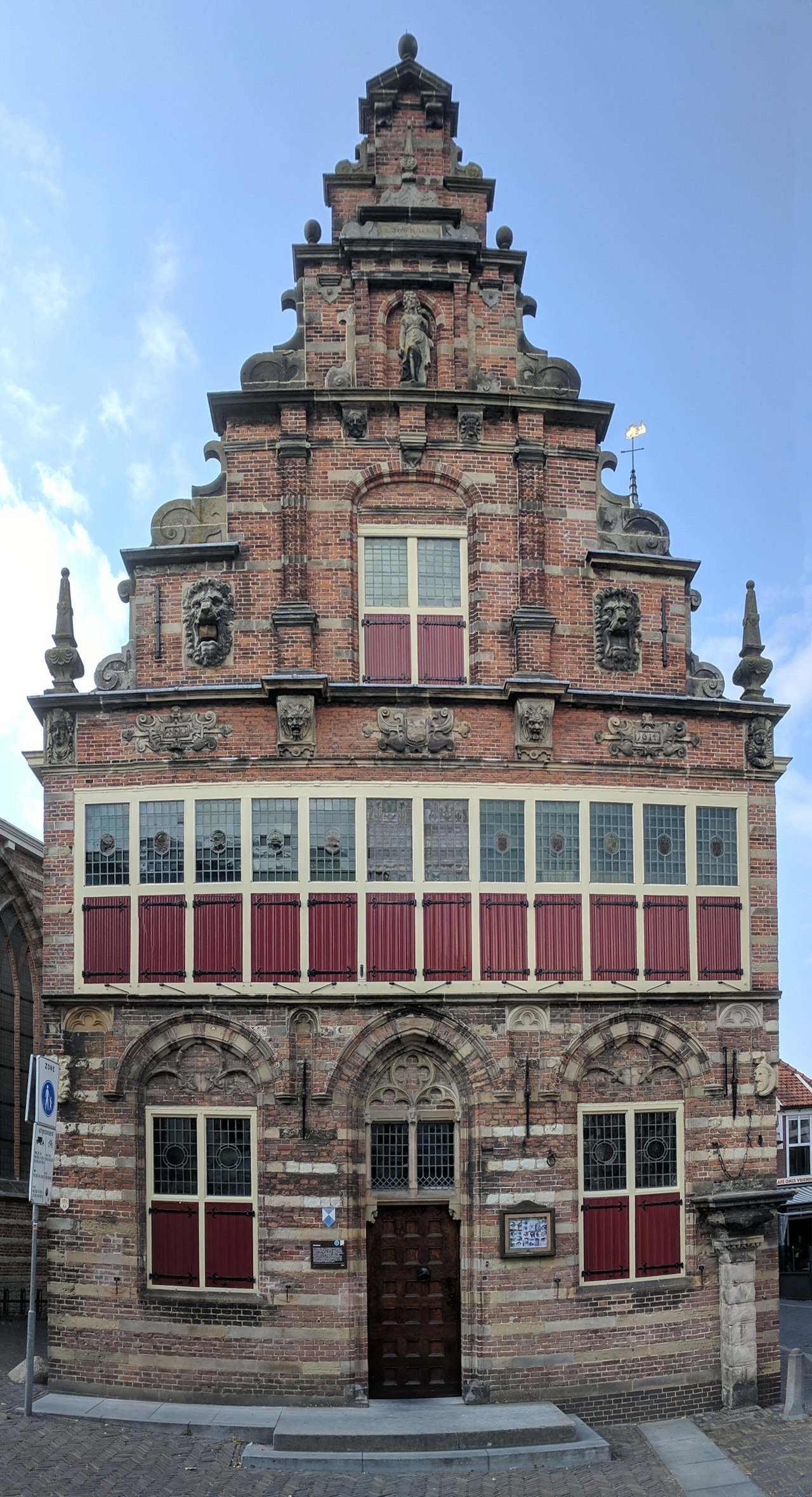
- Historic city centre with canals, churches and traditional market squares.
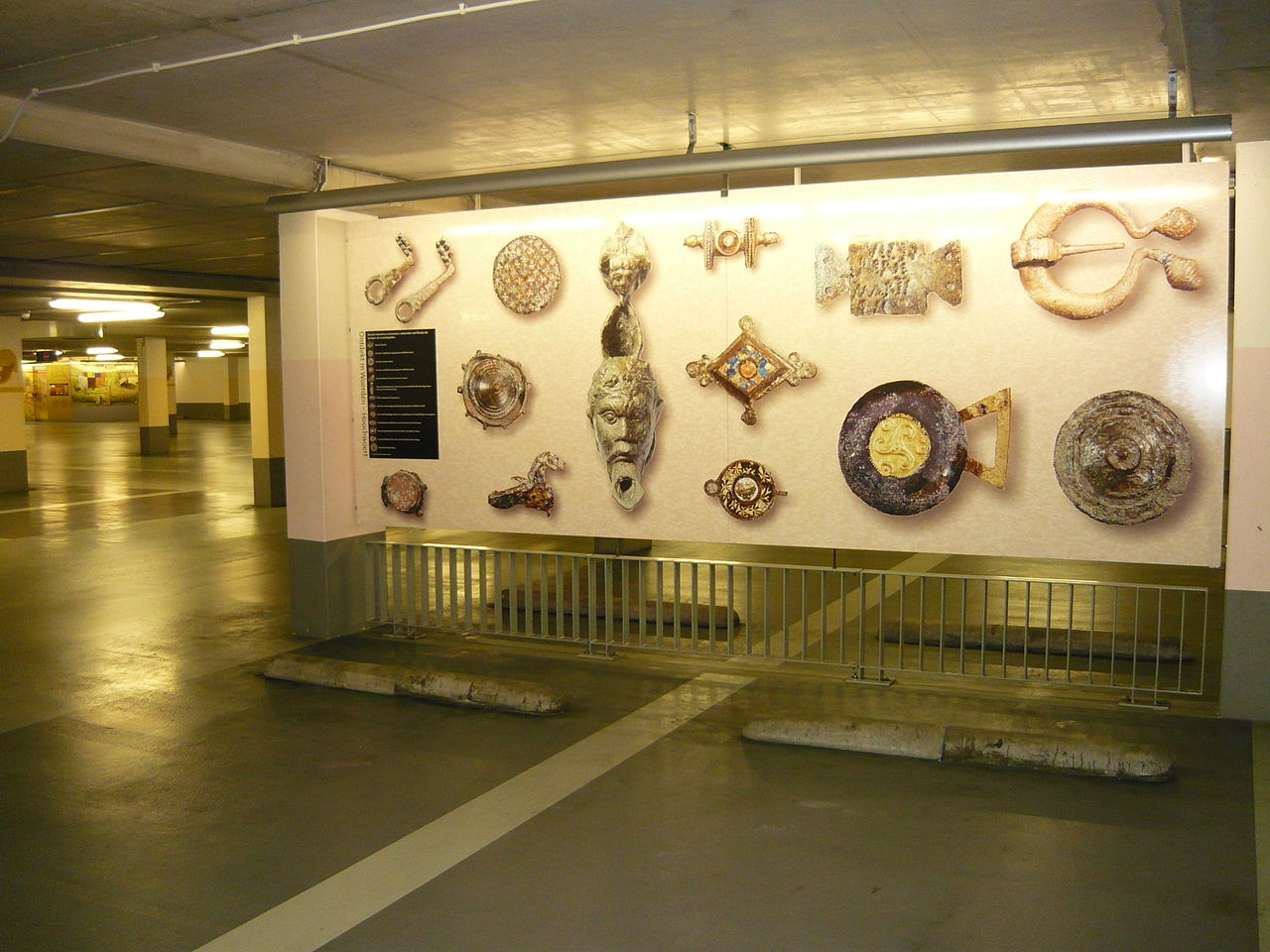
- Local museum and cultural venues that document regional history.
- Regular markets and seasonal events that recall the town’s trading role.
- Nearby natural areas used for recreation, cycling and birdwatching.
Woerden today balances modern municipal services and residential growth with conservation of historic streets and local traditions. It is often visited for its compact historic centre, market atmosphere and access to the wider Utrecht region.
Author
AlegsaOnline.com Woerden (Netherlands): overview of the town and municipality Leandro Alegsa
URL: https://en.alegsaonline.com/art/147999