
William P. Rogers
American lawyer and Republican public official; U.S. Attorney General (1957–1961) under Eisenhower and U.S. Secretary of State (1969–1973) under Nixon, known for traditional diplomacy and a low-key style.
William Pierce Rogers (June 23, 1913 – January 2, 2001) was an American lawyer and Republican public official who held two of the nation’s top legal and diplomatic posts. He served as United States Attorney General from 1957 to 1961 in the Dwight D. Eisenhower administration and later as United States Secretary of State from 1969 to 1973 under President Richard Nixon. His career combined private legal practice with extended service in the federal government.
Image gallery
8 Images


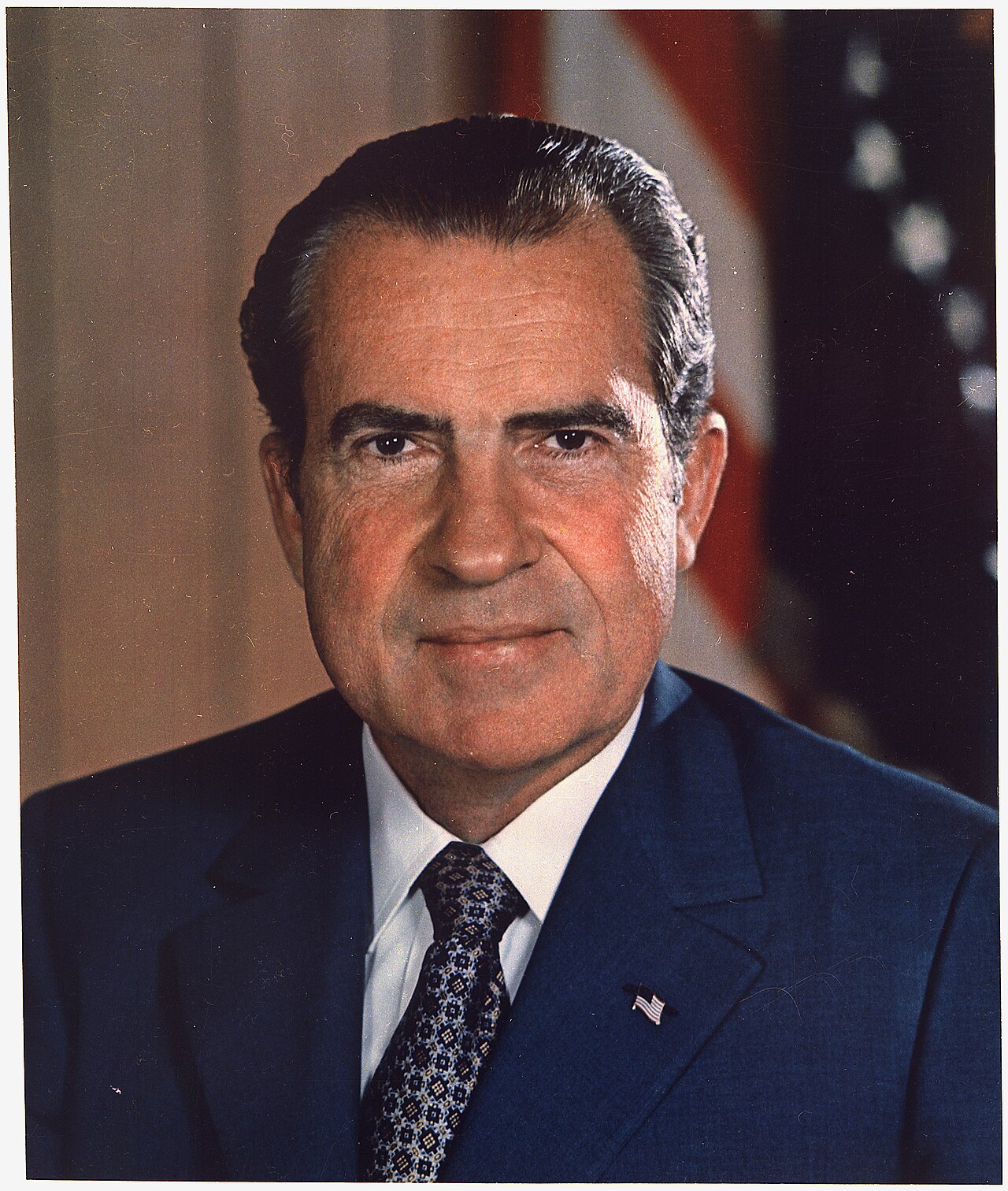

Background and legal career
Trained and practised as a lawyer, Rogers moved between private practice and government work before joining the Eisenhower Justice Department. He developed a reputation as a competent, cautious attorney who favored institutional norms and the rule of law. During his early federal service he dealt with a range of criminal and civil matters that reflected the Justice Department’s role in a changing postwar America. For a concise overview of his political affiliations and offices see biographical summary.
Attorney General (1957–1961)
As Attorney General Rogers headed the Justice Department during a turbulent period of U.S. history. His tenure overlapped with major civil rights controversies, Cold War legal issues, and expanding federal responsibilities in civil enforcement. He was part of the Eisenhower cabinet that confronted issues of school desegregation and federal enforcement of court orders. Contemporary accounts and archival materials provide context for his policies and decisions—see department records and administration documents for primary sources.
Secretary of State (1969–1973)
Rogers became Secretary of State at a moment of intense diplomacy: the Vietnam War, arms control negotiations, Soviet-American détente and the beginnings of a U.S. opening to China. He represented the State Department’s traditional diplomatic approach, often coordinating with the White House on policy. Rogers worked alongside National Security Advisor Henry Kissinger and was sometimes viewed as sharing responsibility for foreign policy with the National Security Council. For summaries of major diplomatic episodes during his tenure consult foreign policy reviews and historical analyses.
Legacy and assessment
Rogers’s public image is mixed: praised for steadiness and professionalism, and criticized by some for being overshadowed by the Nixon White House’s more centralized, secretive style. Historians note his commitment to established diplomatic institutions and to legal process. After leaving government he returned to private law practice and remained active in public affairs. More on evaluations of his career is available at scholarly commentary and archival collections.
William P. Rogers died of congestive heart failure on January 2, 2001, at Suburban Hospital in Bethesda, Maryland, at age 87. His career illustrates mid-20th-century tensions between traditional State Department diplomacy and the evolving, centralized national-security decision-making that characterized the Nixon era. For further reading and primary documents, consult research guides.
Author
AlegsaOnline.com William P. Rogers Leandro Alegsa
URL: https://en.alegsaonline.com/art/147883