
William H. Prescott: Life and Work of an Early American Historian
Biography and assessment of William H. Prescott (1796–1859), noted for his narrative histories of Spain and Spanish America, his methods, major works, and lasting influence.
Overview
William Hickling Prescott (1796–1859) was an American historian best known for engaging, narrative histories of Spain and the Spanish Empire. Writing in the mid-19th century, Prescott made events and personalities from Spanish and colonial history accessible to English-speaking readers. Because of his vivid prose and wide readership he is often cited as one of the first major historians to emerge from the United States.
Image gallery
6 Images


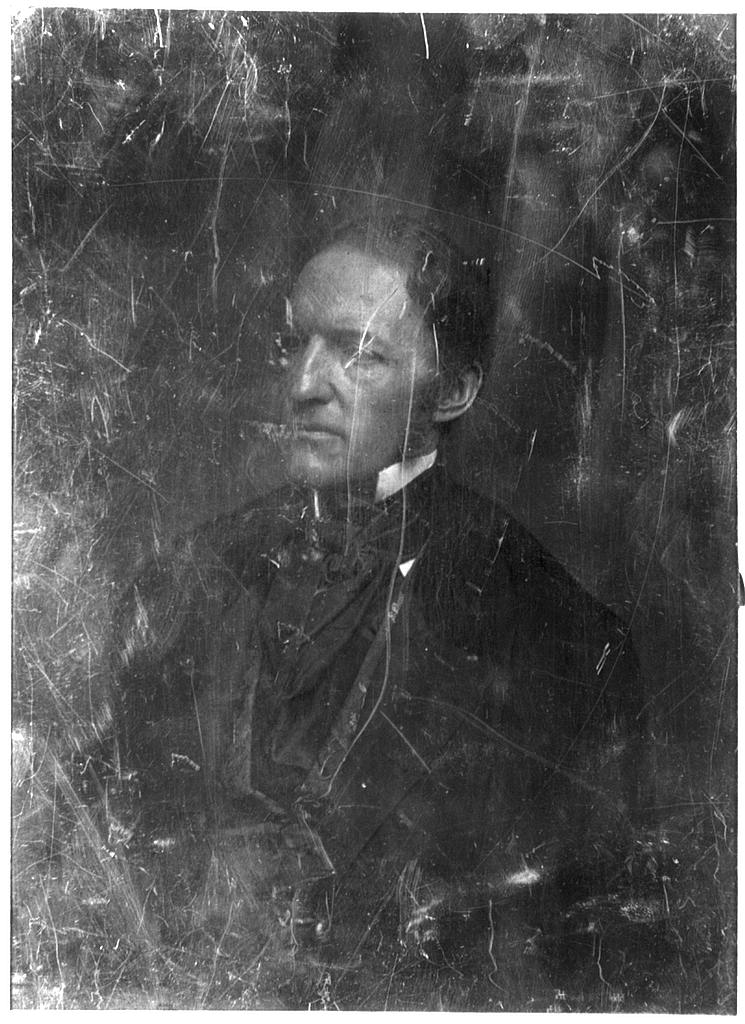
Life and early circumstances
Born into a prominent Boston family, Prescott grew up in an environment that valued learning and public service. His grandfather, also named William Prescott, was an officer in the American Revolutionary War and part of the family's public reputation. Prescott attended Harvard College as a teenager and later abandoned a conventional professional career in law, turning instead to historical research and writing. A serious eye injury in his youth left him nearly blind, and for the rest of his life he relied on assistants and adapted methods to read and compose historical works.
Major works and methods
Prescott's best-known books include Ferdinand and Isabella (1837), The Conquest of Mexico (1843), The Conquest of Peru (1847), and Philip II (1855). He emphasized careful reading of documentary sources and sought out manuscripts and published accounts in European and colonial archives. Although his blindness limited some direct archival work, Prescott used translators, secretaries, and foreign correspondents to consult Spanish and Portuguese materials and contemporary accounts. His method combined chronicle-style narrative with biographical focus on leading figures.
Reception, significance, and criticism
Contemporaries praised Prescott for bringing distant historical episodes to life and for his elegant prose. His books helped popularize the history of Spain and Spanish America in Britain and the United States and influenced later historians and general readers. Modern scholars acknowledge his achievement in assembling diverse sources, while also noting limitations: Prescott sometimes relied on secondary accounts, could be influenced by Romantic sensibilities of his era, and occasionally made factual errors that later research corrected.
Why Prescott matters
- He broadened access to Spanish and colonial history for English readers and shaped 19th-century perspectives on the Iberian world.
- He demonstrated how a literary narrative style could coexist with documentary scholarship, helping define a genre of historical writing.
- Despite physical disability, he organized a collaborative research practice that anticipated later scholarly teamwork.
Further reading and context
For cultural and historical context about the regions Prescott studied see general surveys of Spain and the Spanish Empire. For biographical background, material on his family and Boston upbringing can be found in collections about early American notables and records of the impact of disability on 19th-century careers. Prescott's family ties and Revolutionary-era connections are sometimes noted in histories of the United States; see accounts of the Prescott family and the broader memory of the American Revolutionary War. His educational formation at Harvard shaped his classical and literary approaches, while modern summaries that assess his place in historiography may be consulted via general bibliographies on Spanish history.
Prescott remains both a product of his time and an early model of professional historical writing in America. His works continue to be read for their narrative power, even as historians refine the factual record and interpretive frameworks he used.
Questions and answers
Q: Who was William Hickling Prescott?
A: William Hickling Prescott was an American historian who was interested in Spain and the Spanish Empire. He is known as one of the first great American historians.
Q: Why was Prescott almost blind?
A: Prescott was made almost blind after a boy threw a piece of bread at his eye when he was sixteen.
Q: What did Prescott's grandfather do?
A: Prescott's grandfather was William Prescott, a soldier who fought for the United States in the American Revolutionary War.
Q: Where did Prescott grow up?
A: Prescott grew up in Boston, Massachusetts, which is a city on the east coast of the United States.
Q: When did Prescott go to Harvard University?
A: Prescott went to Harvard University when he was fifteen.
Q: What did Prescott study after he got his degree?
A: After he got his degree, Prescott studied many different topics before deciding that he was interested in the history of Spain.
Q: What was the impact of Prescott's work on the study of the history of Spain?
A: Prescott wrote many books about Spanish history, which were very popular. His work had a significant impact on the study of the history of Spain.
Author
AlegsaOnline.com William H. Prescott: Life and Work of an Early American Historian Leandro Alegsa
URL: https://en.alegsaonline.com/art/147865