
W. C. Fields
Profile of W. C. Fields, American comedian and actor William Claude Dukenfield, his stage persona, career from vaudeville to film and radio, notable works and lasting influence.
Overview
W. C. Fields was the stage name of William Claude Dukenfield, a prominent American comedian and actor whose career spanned vaudeville, stage, film and radio. He was born on January 29, 1880 and died on December 25, 1946. Fields crafted a highly recognizable public identity: a world‑weary, self‑serving comic who reacted to everyday frustrations with irony, sarcasm and physical comedy. He began performing very young, running away from home and developing skills that would shape his routines for decades.
Image gallery
7 Images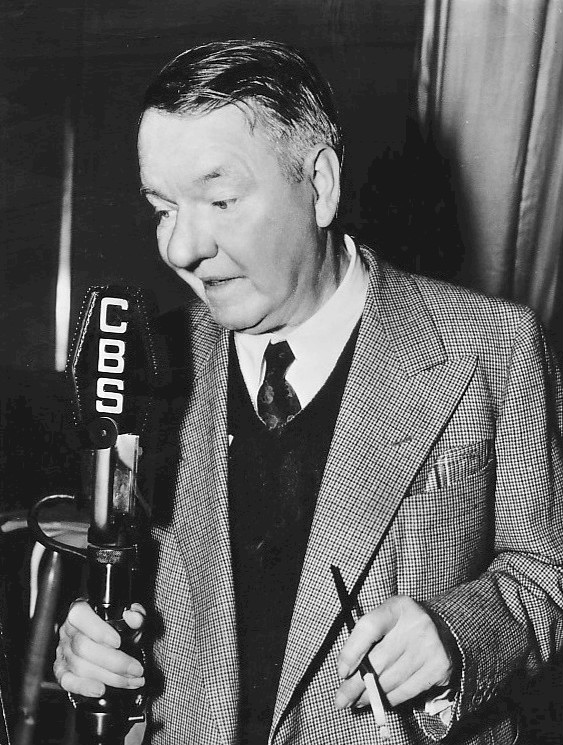


Style and persona
Fields developed a distinctive stage persona that mixed verbal wit, absurd situations and expert timing. His routines often featured a misanthropic narrator who was impatient with children, pets and social pretensions, turning ordinary domestic details into comic disasters. He was also an accomplished juggler and used those physical talents in vaudeville acts and early films. His speech, reported temperament and recurring themes made him instantly identifiable to audiences.
Career and notable works
Fields built his reputation in vaudeville and on the stage before moving into motion pictures and radio. He appeared in silent shorts and then in sound comedies where his writing and performing converged. Among the films most associated with him are:
- It's a Gift (1934) — a comic portrait of suburban frustration
- The Bank Dick (1940) — a widely cited example of his comic universe
- My Little Chickadee (1940) — a collaboration with another major star of the era
Fields frequently contributed to the scripts and development of his pictures and adapted much of his vaudeville material for the screen. He also appeared regularly on radio and in short subjects that helped spread his persona to a national audience.
Development and historical context
Fields emerged from the late 19th‑ and early 20th‑century variety theatre tradition, a fertile environment for many American comics who later transitioned to film. His combination of physical skill, cultivated bad temper and economy of language placed him alongside other classic comic figures while remaining singular in tone. The cultural shift from vaudeville to cinema allowed his routines to reach new audiences and to be preserved for later study.
Legacy and reception
Critics and historians regard Fields as a major figure in American comic history. His routines influenced later generations of comedians who admired his timing, character work and ability to turn small domestic details into elaborate gags. Numerous books, retrospectives and film programs continue to examine his work and its place in the development of screen comedy. For contemporary readers seeking primary materials, collections of his films, radio scripts and biographies provide a fuller picture of his methods and life.
Personal notes
Though his public persona was often curmudgeonly, Fields was a skilled craftsman of comic performance. His birth name, William Claude Dukenfield, links the private man to the public legend. Accounts of his later years describe declining health; he died at the end of 1946, an event that prompted widespread reflection on his contributions to American entertainment and the art of comic characterization. For further reading and source material see contemporary archives and selected studies of early film comedy (biographical sources, critical essays, archival collections).
Author
AlegsaOnline.com W. C. Fields Leandro Alegsa
URL: https://en.alegsaonline.com/art/147353