
The Sketch Book of Geoffrey Crayon, Gent.
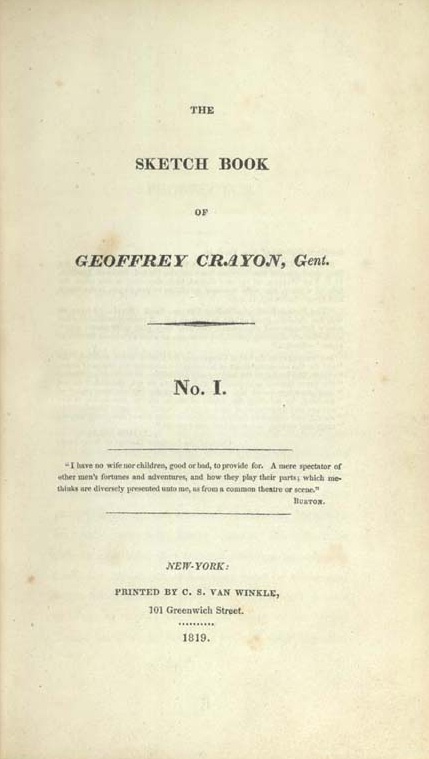
A collection of essays and tales by Washington Irving, first published in 1819. Noted for its mix of travel writing and fiction, it includes the famous stories "Rip Van Winkle" and "The Legend of Sleepy Hollow."
Overview
The Sketch Book of Geoffrey Crayon, Gent. is a linked collection of essays and short narratives presented by an assumed narrator, Geoffrey Crayon. Written by Washington Irving, it first appeared in the late 1810s and brought its author wide recognition in both America and Europe. The book blends gentle travel observations, literary sketches, and imaginative stories that draw on local legend and 18th–19th century sensibilities.
Image gallery
7 Images


Form and content
The Sketch Book alternates reflective essays with fictional pieces. The frame of a personable, chatty narrator gives the volume a conversational tone. Many entries read like travel notes or cultural commentary, while others are overtly storylike and develop memorable characters. This mixture helped establish a style that Americans associated with polite, cultivated writing of the period.
Notable stories and essays
- "Rip Van Winkle" — a tale about an easygoing man who sleeps through decades and returns to a changed village.
- "The Legend of Sleepy Hollow" — a spooky, comic story featuring Ichabod Crane and a ghostly horseman.
- Other pieces range from domestic sketches to descriptive essays; the collection as a whole mixes fact-like reportage with invented folk material.
History and publication
Irving wrote under the Crayon persona to present a unified voice while allowing varied forms. The work appeared in installments and in more than one volume when first published. Its warm, anecdotal approach and accessible prose helped Irving become one of the first American writers to achieve lasting international fame. Critics and readers in Britain and the United States found the book appealing for its refinement and wit.
Themes and style
The Sketch Book often treats memory, change, and the relationship between past and present. It revels in picturesque description and gentle irony rather than overt moralizing. Irving's use of folklore and local color contributed to an emerging American literary identity while also showing European Romantic influences.
Reception, influence, and adaptations
Several items in the collection—especially the two best-known stories—have been widely adapted. Examples include stage plays, films, animated cartoons, comics, and television dramatizations. Their vivid characters and easily imagined settings made them popular sources for artists and performers. The work remains an important early example of American short fiction and helped set conventions for later writers.
Further reading
For short introductions and texts, see collections and scholarly overviews that treat both the essays and the narratives. Contemporary readers often encounter individual stories independently of the full set; for the essays and general context see essays and for reading the fiction together see the volume of short stories. Additional resources on the author and his era can be found under author biographies and studies of early American literature at reference sites and library guides.
Author
AlegsaOnline.com The Sketch Book of Geoffrey Crayon, Gent. Leandro Alegsa
URL: https://en.alegsaonline.com/art/146682