
The Lion Sleeps Tonight — origins, adaptations, and legacy
Song that began as Solomon Linda's 1939 Zulu recording 'Mbube', later adapted into English as 'Wimoweh' and then 'The Lion Sleeps Tonight', widely covered and embroiled in rights and cultural debates.
Overview
"The Lion Sleeps Tonight" is a popular song that traces its roots to a 1939 Zulu-language recording titled "Mbube", composed and sung by Solomon Linda in South Africa. Over subsequent decades the tune was reshaped, retitled and given English lyrics; one of the most familiar modern forms bears the title The Lion Sleeps Tonight and became an international pop hit in the 20th century. The English-language adaptation credited some different writers, and the song underwent several name changes as it moved between styles and markets.
Image gallery
9 Images


Origins and early recording
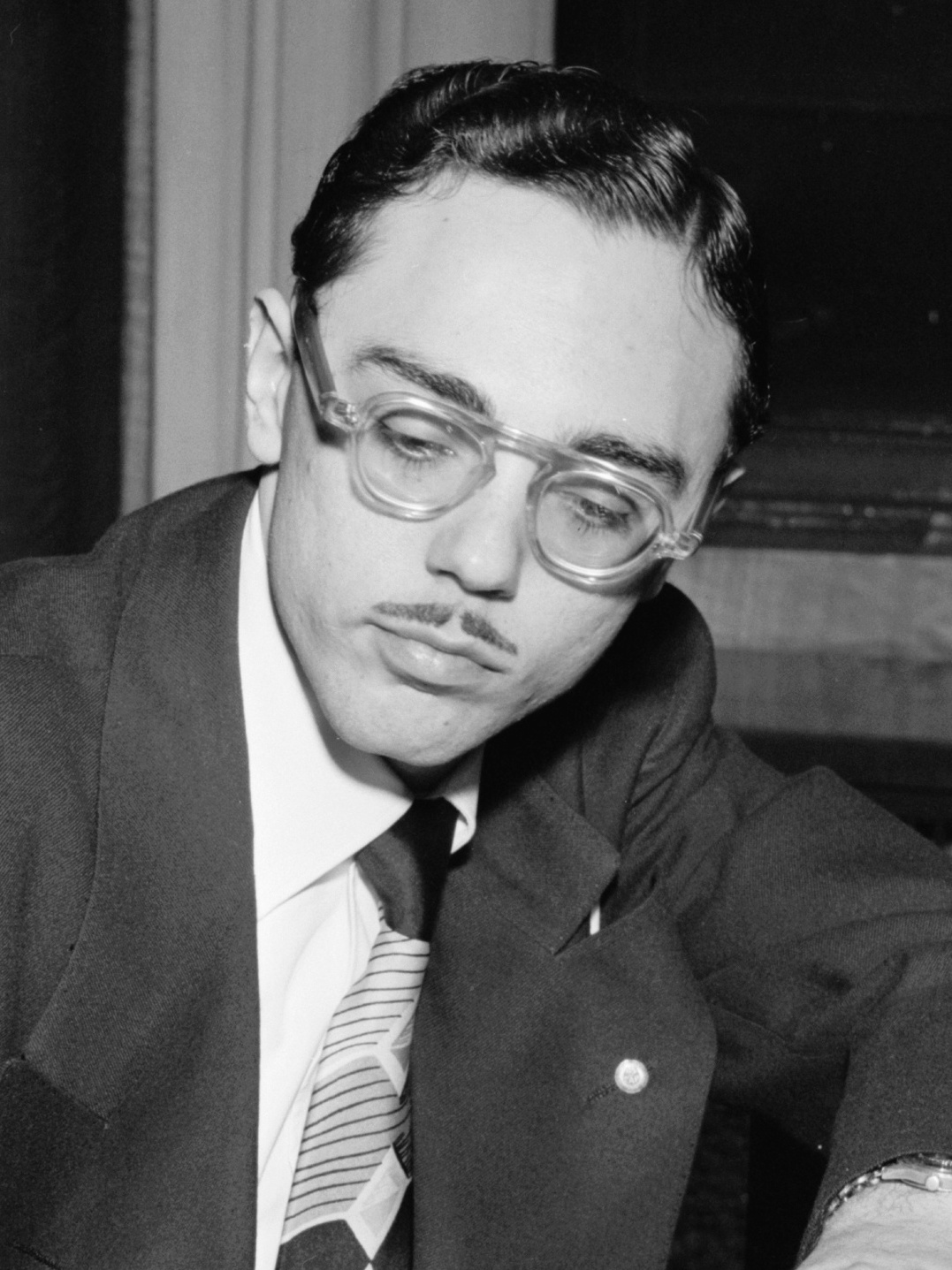
Solomon Linda recorded the original song, Mbube (the Zulu word for "lion"), for a Johannesburg label in 1939. That recording reflected the powerful male-chorus tradition emerging in South African townships at the time, characterized by rich close harmonies and a pronounced lead vocal. The distinctive refrain that English-speaking audiences later heard as "wimoweh" derives from a Zulu phrase in Linda's original and represents an early example of how local musical forms could travel beyond their origin.
Adaptations, covers and international success
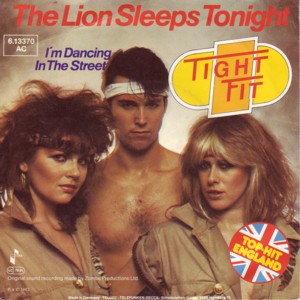
In the 1950s and 1960s the tune was adapted twice: first into folk and pop versions often titled "Wimoweh" and later into the fully English lyric version known as "The Lion Sleeps Tonight." The English lyrics often are credited to a different songwriter than Linda. The song was recorded and performed by many artists worldwide, crossing genres from folk revival to doo-wop to orchestral pop. One of the best-known commercial successes came in the early 1960s when a doo‑wop group scored a number-one hit with the now-familiar arrangement.
- Pete Seeger and other folk revivalists helped popularize the song in the U.S.
- The Kingston Trio and similar groups performed early English-language versions.
- Miriam Makeba recorded versions that emphasized its African roots.
- Various pop and jazz acts, including international performers, recorded adaptations and instrumental takes.
- The most commercially famous pop single was issued by a doo‑wop group often identified with the title; that release used newly arranged English lyrics by a credited writer (see songwriter) and is associated with the Tokens in popular accounts.
Musical features
The song's appeal comes from a few simple but powerful elements: a memorable repeating melodic hook in the chorus, call-and-response harmonies, and a distinctive high falsetto lead on the refrain in many pop versions. The original South African recording showcased robust male choral singing and rhythmic drive; later Western arrangements added orchestration, English verses and a tighter pop structure while preserving the refrain that listeners recognize instantly.
Copyright, recognition and cultural legacy
For decades the history of the tune raised complicated questions about authorship and royalties. Solomon Linda's original authorship was not widely acknowledged in the early international boom, and his family later pursued recognition and compensation. Those efforts attracted attention to broader patterns in how music from non-Western artists was adapted and commercialized in international markets. The melody and refrains from the song have since appeared across film, television, advertising and stage productions, and its journey from a 1939 South African recording to a global pop standard is frequently cited as an example of cross-cultural musical influence.
Despite legal and ethical debates, the song remains a widely recognized piece of 20th-century popular music. Its multiple titles—Mbube, "Wimoweh" and "The Lion Sleeps Tonight"—reflect the path of adaptation: an indigenous composition that entered the international repertoire, was reshaped by different performers and markets, and today is studied both as a musical favorite and as a case study in the history of music rights and cultural exchange. Further reading and archival materials can be found via resources linked to the original recording and later cover versions, including discussions of the song's origins and the people involved in its evolution (original artist).
Author
AlegsaOnline.com The Lion Sleeps Tonight — origins, adaptations, and legacy Leandro Alegsa
URL: https://en.alegsaonline.com/art/146632