
Zulu language (isiZulu): overview, features, history and status
IsiZulu is a Nguni Bantu language of southern Africa spoken chiefly in South Africa. It has click consonants, a noun-class grammar, and is an official language used in media, education and literature.
IsiZulu, commonly called Zulu in English, is a Southern Bantu language of the Nguni subgroup spoken primarily by the Zulu people. It is one of South Africa's most widely used languages and serves as a first language for millions. The language is often referred to by its native name isiZulu, and is closely related to other Nguni languages such as Xhosa and Ndebele. For background about the community and culture, see Zulu people.
Image gallery
1 Image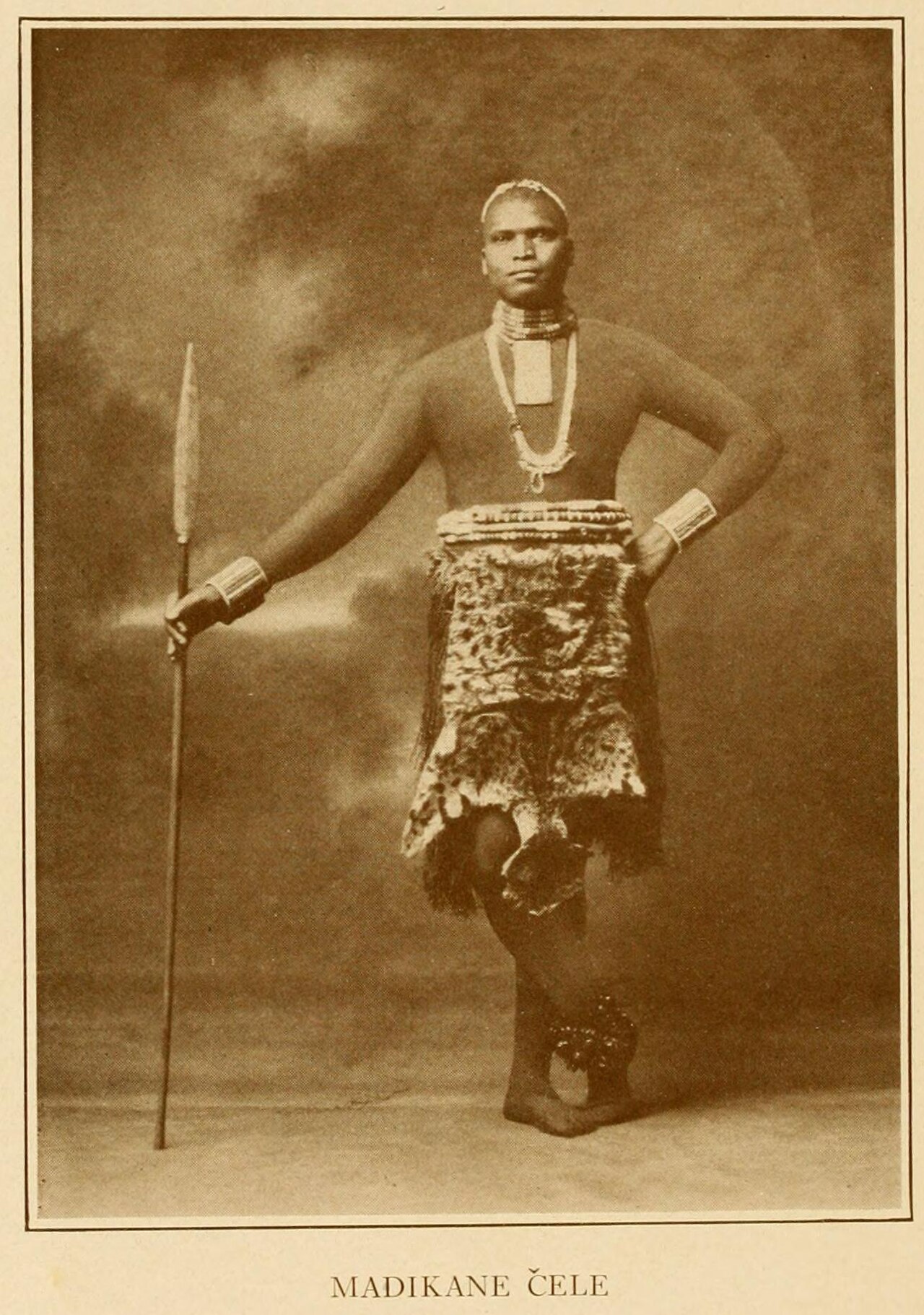
Key characteristics
Zulu has several features typical of Bantu languages: a system of noun classes that affect agreement throughout a sentence, rich agglutinative morphology with prefixes and suffixes, and lexical tone that distinguishes meaning although tone is normally not marked in everyday writing. Its consonant inventory includes three main click types traditionally written with the letters c, q and x, a legacy of contact with southern African click languages. The language uses the Latin alphabet in practical orthography and employs digraphs and combinations to represent certain sounds.
Phonology and grammar (brief)
- Clicks: dental, alveolar and lateral clicks, transcribed as c, q and x in standard spelling.
- Tone: high and low tones affect word meaning and grammar but are usually unwritten in ordinary text.
- Noun classes: a system of grammatical classes that determine agreement on verbs, adjectives and other modifiers.
- Morphology: predominantly prefixing and agglutinative; verbs carry information about subject, object, tense and mood.
History and development
Zulu developed within the Nguni branch of the Bantu family and became regionally prominent in what is now KwaZulu-Natal. The growth of the Zulu polity in the 19th century helped spread the language across a wider area. With European colonization and later South African state formation, written Zulu developed using the Latin alphabet; missionaries played a role in early orthographic conventions and in producing some of the first printed materials.
Status, distribution and usage
Zulu is spoken by millions; estimates place its number of native speakers in the low tens of millions, with the majority living in South Africa. It is the most common home language in South Africa and, since the end of apartheid, has been one of the nation's official languages. In 1994 the language gained official recognition alongside ten other languages. Zulu appears in education, broadcasting, print media and popular culture, and many South Africans learn it as a second language. For demographic and status references see South Africa and official language listings at official languages.
Uses, literature and modern role
Today Zulu is used in radio and television, community and higher education contexts, contemporary literature, and music. It acts as an important vehicle for cultural expression and public life in regions where it is predominant. Comparative and linguistic resources often treat Zulu alongside other Bantu languages; for broader classification see Bantu languages. For statistics and language surveys consult demographic sources such as population figures and general language information at Zulu language.
Notable distinctions include its click consonants, tonal system, and noun-class grammar, features that make Zulu both typologically interesting and culturally significant across southern Africa.
Questions and answers
Q: What language is spoken by the Zulu people?
A: The Zulu people speak a language called Zulu or isiZulu.
Q: How many people speak Zulu?
A: Approximately 10 million people speak Zulu.
Q: Where do most of these speakers live?
A: Most of the speakers (95%) live in South Africa.
Q: What percentage of South Africans speak and understand the language at home?
A: 24% of South Africans speak it at home, and over 50% understand it.
Q: When did it become an official language in South Africa?
A: In 1994, it became one of South Africa's 11 official languages.
Q: Is there a written form for the language?
A: Yes, like other Bantu languages, Zulu is written using the Latin alphabet.
Related articles
Author
AlegsaOnline.com Zulu language (isiZulu): overview, features, history and status Leandro Alegsa
URL: https://en.alegsaonline.com/art/110761
Sources
- ethnologue.com : Zulu
- glottolog.org : "Zulu"
- goto.glocalnet.net : New Updated Guthrie List Online
- ethnologue.com : ethnologue.com/
- omniglot.com : "Zulu (isiZulu)"
- britannica.com : "Zulu literature"
- britannica.com : "R. R. R. Dhlomo"
- researchspace.ukzn.ac.za : researchspace.ukzn.ac.za