
Celtic languages: overview, classification, history and modern revival
An encyclopedic overview of the Celtic language family: classification, history, distinctive features, geographic distribution, revitalization efforts and cultural significance.
Overview
The Celtic languages form a distinct branch of the wider Indo‑European family. Traditionally associated with the Atlantic fringe of Europe, they were once more widely spoken across the continent but today survive in a small number of regional communities. Celtic languages have left a large legacy in place names, literature and local identities and continue to be important subjects for linguistic, historical and cultural study.
Image gallery
4 Images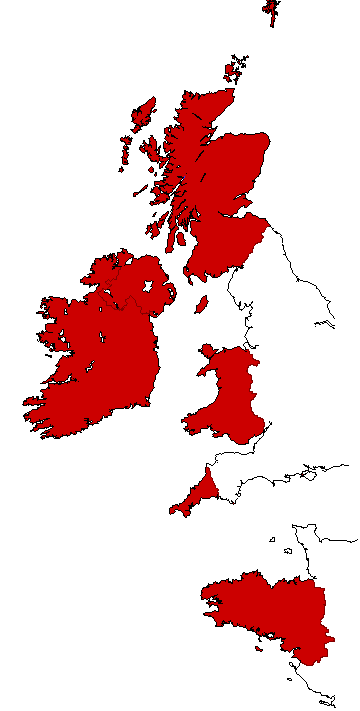


Classification
Modern scholars divide the living Celtic languages into two main branches. The Goidelic (or Gaelic) branch includes Irish, Scottish Gaelic and Manx, while the Brythonic (or British) branch includes Cornish, Breton and Welsh. These groupings reflect shared historical sound changes and grammatical developments that differentiated the branches from an early common ancestor spoken in parts of north‑western Europe.
Historical development
The Celtic languages descend from an ancestral form sometimes called Proto‑Celtic. Over many centuries dialectal differences became fixed as separate languages. Written records appear from the early Middle Ages, most notably Old and Middle Irish and medieval Welsh, which preserve rich literatures and legal, religious and poetic texts. Expansion, migration and later political changes influenced the survival or decline of different Celtic varieties.
Geographic distribution and communities
Today the principal areas where Celtic languages remain in active use are the island groups and coasts of north‑west Europe. Irish persists in the Gaeltacht regions and is taught throughout Ireland. Scottish Gaelic is associated with parts of north‑west Scotland and with diaspora communities, for example in Canada. Manx was once nearly lost on the Isle of Man but has been the subject of successful revival efforts. On the Brythonic side, Welsh is widely spoken across Wales and particularly in the area often called the Bro Gymraeg. Cornish experienced a local extinction in daily use but has since attracted revivalist communities, while Breton remains concentrated in western Brittany, the main Celtic speech area outside Great Britain and Ireland, and forms part of the regional heritage of France.
Linguistic features
Celtic languages share several typological traits that make them distinctive. Many exhibit initial consonant mutation, a grammatical process affecting the first consonant of a word in particular syntactic contexts. Their word order and verb systems show traits such as periphrastic constructions and rich prepositional systems. Morphology and syntax vary among the languages, but common patterns can be seen across both Goidelic and Brythonic groups.
Scripts and orthography
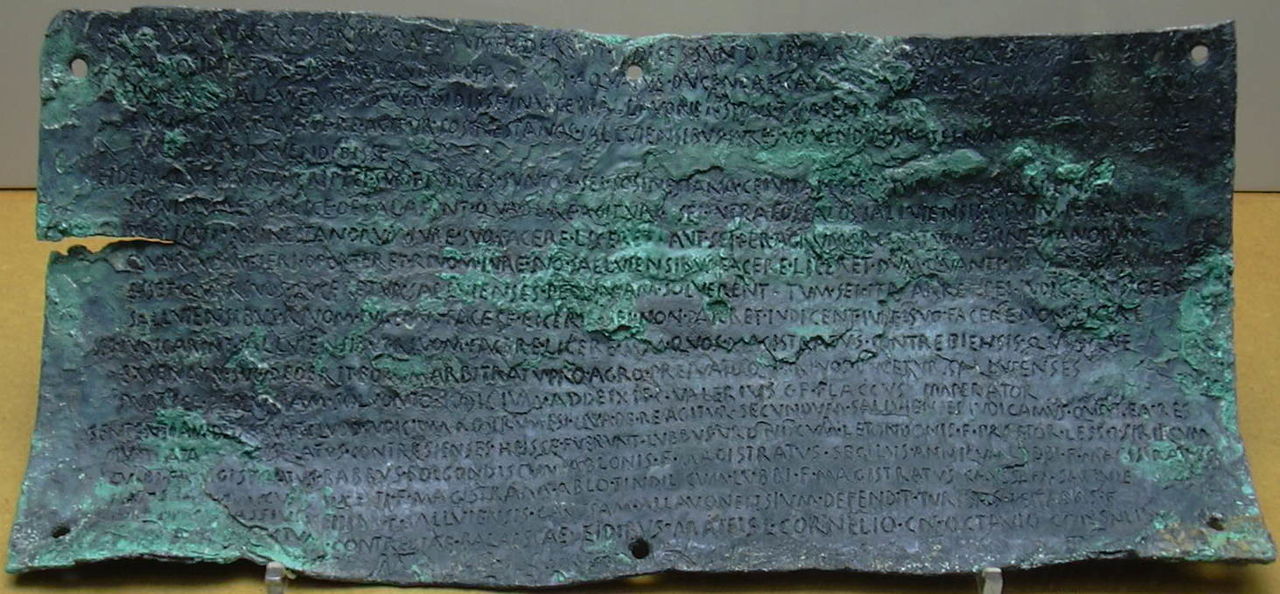
Historically, different scripts were used at various stages: Ogham inscriptions, medieval Latin script adaptations and modern orthographies that have been standardized to differing degrees. Contemporary written forms aim to balance historical forms, local dialectal practice and ease of learning for new speakers. Orthographic reform or standardization has sometimes been a topic of public debate in speech communities.
Revitalization and legal status
From the 19th century onward, interest in preserving and reviving Celtic languages grew among speakers, scholars and state institutions. Policies have ranged from legal recognition and broadcasting support to immersion schooling and community classes. These measures have produced varied results: some speech communities show stable or growing numbers of learners, while others remain vulnerable and classified as endangered by language‑vitality observers. Community commitment, educational investment and media presence are consistently cited as important factors for recovery.
Culture and literature
Celtic languages have rich oral and written traditions, including medieval manuscripts, folk songs, poetry and modern creative writing. Literature and cultural production in these languages play a key role in identity and tourism, and new media (radio, television, online content) provide contemporary platforms for use and promotion.
International connections and diaspora
Migration spread Celtic speech and cultural practices overseas. For example, communities of Gaelic heritage in Canada preserved aspects of language and song, and Welsh settlers established communities in Patagonia in Argentina, where the language endures in bilingual and cultural contexts. These diaspora links sustain transnational networks of scholarship and cultural exchange.
Further resources
For readers seeking more information, introductory surveys, grammars and community resources are available from regional language organisations and academic centres. Specialist works address the history, comparative linguistics and sociolinguistics of the family in greater depth. Contact local cultural organisations or consult language centres in the areas linked above for practical learning opportunities and community events.
Questions and answers
Q: What are the Celtic Languages?
A: The Celtic Languages are a language family in the Indo-European languages.
Q: How many Celtic languages are still spoken today?
A: There are six Celtic languages still spoken in the world today, in north-western Europe.
Q: What two groups do the six Celtic languages fall into?
A: The six Celtic languages are divided into two groups, the Goidelic (or Gaelic) languages and the Brythonic (or British) languages.
Q: What three Goidelic languages are still spoken?
A: The three Goidelic languages still spoken are Irish, Scottish, and Manx.
Q: Where is Welsh mainly spoken?
A: Welsh is spoken everywhere throughout Wales, but it is the first language for people mainly in the North and West of Wales, in an area that some people call "the Bro Gymraeg".
Q: Which Brythonic language became extinct in 18th century?
A: Cornish became extinct in the 18th century, but some people have started to speak it again now.
Q: Where can you find native speakers of Scottish Gaelic outside Scotland?
A: Scottish Gaelic also has a native community of speakers in Canada, where it was once widely spoken, and there are Welsh-speakers in Patagonia, Argentina.
Related articles
Author
AlegsaOnline.com Celtic languages: overview, classification, history and modern revival Leandro Alegsa
URL: https://en.alegsaonline.com/art/17922