
Spellbound (1945 film)
Alfred Hitchcock's 1945 romantic psychological thriller starring Ingrid Bergman and Gregory Peck, noted for its Freudian themes, Salvador Dalí dream sequence and an Oscar-winning score by Miklós Rózsa.
Overview
Spellbound is a 1945 American romantic psychological thriller directed by Alfred Hitchcock. The film blends suspense, romance and psychoanalytic ideas in a story set in a psychiatric hospital. Released in the immediate postwar period, it attracted attention for pairing Hitchcock's direction with major screen stars and for engaging directly with Freudian concepts that were popular in 1940s cinema.
Image gallery
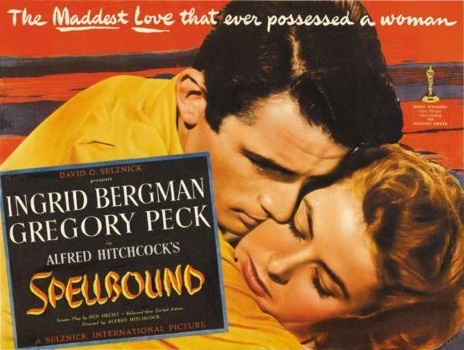
4 Images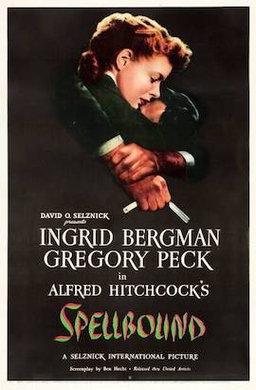


Plot summary
The narrative follows a young psychiatrist who becomes involved with the new hospital director, a man who appears to be suffering from amnesia and may be hiding a violent past. As she investigates his identity and unearths repressed memories, a romantic bond develops that complicates the effort to uncover the truth. The film frames its suspense around psychological diagnosis and the recovery of buried trauma.
Cast and principal contributors
- Ingrid Bergman as the film's central psychiatrist
- Gregory Peck as the troubled director whose past is in question
- Supporting performances by Norman Lloyd, Michael Chekhov and Rhonda Fleming
- Direction by Hitchcock; distributed by United Artists
Style, music and the dream sequence
Spellbound is notable for its unusual marriage of suspense filmmaking with explicit psychoanalytic imagery. A highly visible dream sequence, conceived with the input of surrealist artist Salvador Dalí, uses symbolic, hallucinatory visuals to represent the unconscious. The film's musical score, composed by Miklós Rózsa, was widely praised and won the Academy Award for its contribution to mood and emotional depth.
Reception and awards
At the time of release the movie received strong attention from critics and audiences for its performances and for tackling psychological themes within a mainstream thriller. It was nominated for multiple Academy Awards and won one Oscar in 1946 for its musical score. Over time the film has been discussed both as a popular Hitchcock entry and as an example of Hollywood's mid-century interest in psychiatry.
Legacy and significance
Spellbound is often cited for combining a romantic storyline with a serious engagement with mental health ideas, and for bringing surreal imagery into classical studio filmmaking. It helped solidify the screen personas of its leads and remains a point of reference for filmmakers and scholars interested in portrayals of psychotherapy, dream analysis and the visual expression of inner life.
Author
AlegsaOnline.com Spellbound (1945 film) Leandro Alegsa
URL: https://en.alegsaonline.com/art/145957