
Sermon on the Mount
A central collection of Jesus' teachings recorded in the Gospel of Matthew, containing the Beatitudes, the Lord's Prayer, and core ethical instructions that shaped Christian thought.
The Sermon on the Mount is one of the best-known blocks of teaching attributed to Jesus of Nazareth in the New Testament. Appearing primarily in the Gospel according to Matthew (chapters 5–7), it presents a range of moral instructions, spiritual counsel and short sayings that have been widely cited in Christian teaching and Western ethical thought. Traditional accounts place the sermon in the early first century CE and describe Jesus speaking to a large crowd on the side of a hill or mountain; these details are reported in biblical narratives and their later interpretation (biblical accounts, approximate date).
Image gallery
7 Images


Contents and structure
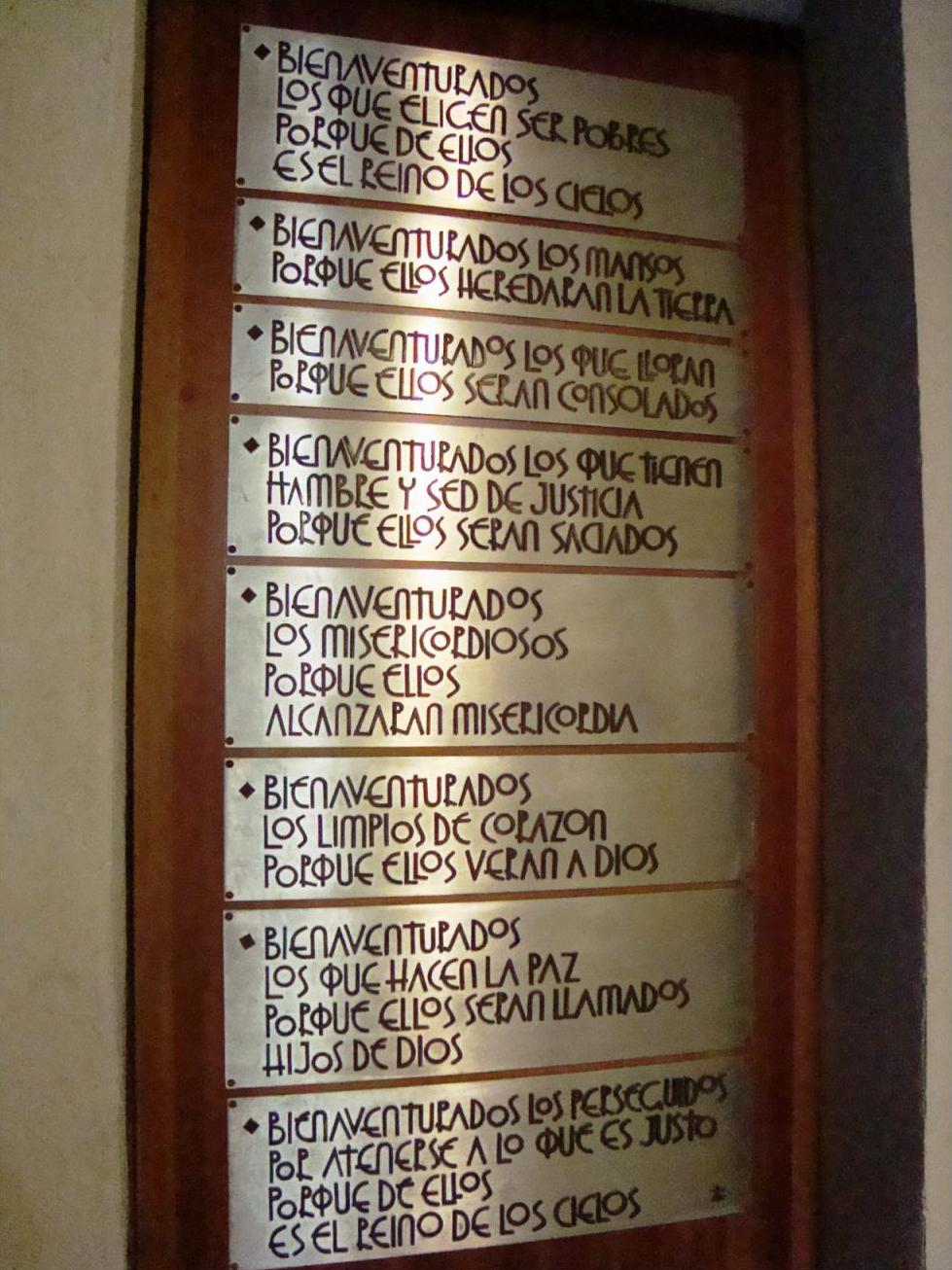
The sermon opens with the Beatitudes, a set of blessings that contrast worldly expectations with spiritual values and promise reward to the poor in spirit, the meek, mourners, and those who hunger for righteousness (Beatitudes). Other prominent sections include an extended discussion of the law and righteousness, instructions on almsgiving, prayer and fasting, the Lord's Prayer—offered as a model for communal prayer—and ethical teachings on anger, adultery, divorce, oaths, retaliation and love of enemies. The overall unit concludes with parables and warnings about wise and foolish builders that summarize its practical demands (Lord's Prayer, the Sermon as a whole).
Historical context and setting
Matthew's framing places the speech on a mountain, an image that evokes scriptural parallels such as Moses on Sinai and suggests a covenantal or law-giving dimension to Jesus' words (mountain setting). Some Gospel material offers a similar but shorter address in Luke, often called the Sermon on the Plain, and scholars note differences in length, emphasis and wording between the two. Early Christian communities preserved the Sermon on the Mount as a key source for teaching about discipleship and communal life; it has been read both as a radical ethical program and as an interpretive guide to Jewish law and prophetic tradition, sometimes compared to the Ten Commandments in importance for moral instruction (Ten Commandments comparison).
Major themes and notable sayings
Core themes include an inward, heart-focused righteousness that surpasses mere external observance; non-retaliation and forgiveness; concern for the poor and marginalized; and a call to moral integrity in private devotion and public conduct. Memorable turns of phrase from the sermon—such as "turn the other cheek," "salt of the earth," "light of the world," and the admonition to "judge not, that ye be not judged"—are often quoted independently of their broader context. The Golden Rule, expressed as treating others as one would wish to be treated, also appears as a concise ethical summary.
Reception, interpretation and influence
Throughout history the Sermon on the Mount has been a touchstone for theological reflection, preaching and social ethics. It has influenced Christian moral teaching, pastoral practice and a range of social movements; leaders and thinkers across cultures have drawn on its language and ideals in calls for nonviolence, justice and personal integrity. Readers and interpreters differ on whether its demands are intended as an absolute code for all believers, a guide to spiritual aspiration, or a set of eschatological promises with future fulfilment.
Distinctive points and further resources
- The version in Matthew is longer and more developed theologically than Luke's parallel material.
- It blends moral directives with devotional instruction, linking private piety and public ethics.
- Famous passages are often cited independently of their narrative context, which can change their perceived meaning.
For historical background, textual comparisons and classic commentaries, consult a range of biblical studies resources and translations (Christian interpretive traditions, biblical sources). For brief focused studies on particular passages—such as the Beatitudes or the Lord's Prayer—see specialized treatments (Beatitudes study, prayer section). Comparative discussions of law and ethics may reference the Sermon alongside earlier legal codes (Ten Commandments) and other New Testament teachings (chronological context, sermon overview, setting and symbolism).
Questions and answers
Q: What is the Sermon on the Mount?
A: The Sermon on the Mount is a speech that Jesus of Nazareth gave to his followers and a large group of people around AD 30. It contains the Beatitudes, Lord's Prayer, and other popular lines such as "turn the other cheek," "salt of the Earth," "light of the world," and "judge not, that ye be not judged."
Q: Where did Jesus give this sermon?
A: Jesus gave this sermon on the side of a mountain.
Q: What are some popular lines from this sermon?
A: Some popular lines from this sermon are "turn the other cheek," "salt of the Earth," "light of the world," and "judge not, that ye be not judged."
Q: How is this sermon related to the Ten Commandments?
A: Many Christians believe that both are very important in explaining how Christians should act towards others. In choosing a mountain as its setting, Jesus may have meant to show how His teachings were similar to those of Moses who brought down Ten Commandments from Mount Sinai.
Q: What is at beginning of this sermon?
A: The Beatitudes are at beginning of this sermon.
Q: Who wrote down these teachings?
A: These teachings were written down by followers who heard them directly from Jesus or through oral tradition passed down over generations.
Author
AlegsaOnline.com Sermon on the Mount Leandro Alegsa
URL: https://en.alegsaonline.com/art/145616