
British Rail Class ES1: North Eastern Railway's early steeplecab electrics
A pair of steeplecab electric locomotives commissioned by the North Eastern Railway in 1902; early British examples used for short-haul and shunting duties and passed to later railway companies.
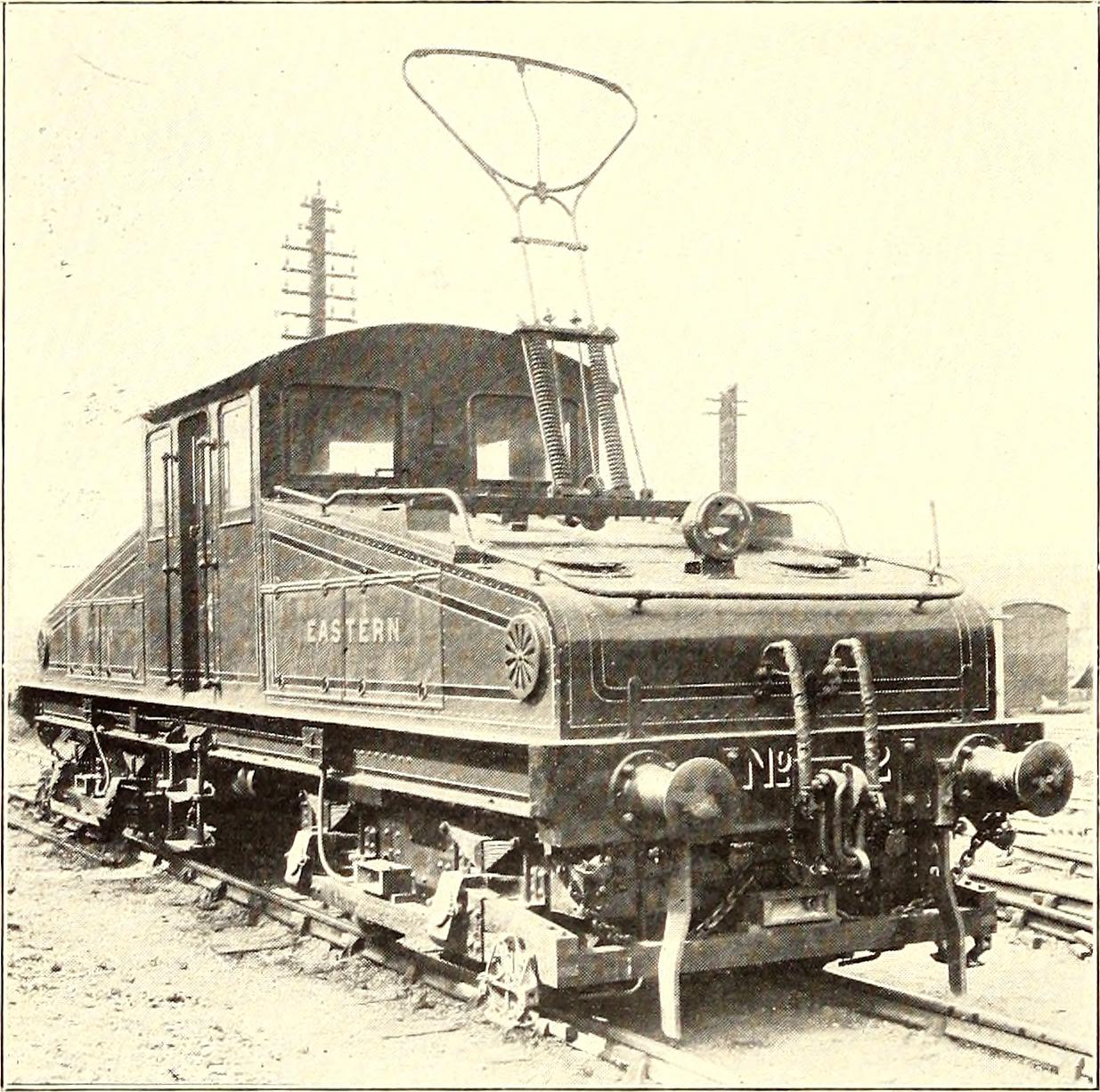
The British Rail Class ES1 refers to a pair of small electric locomotives commissioned by the North Eastern Railway in 1902. Built in the early era of railway electrification, these locomotives used a steeplecab layout — a central, low-profile driving cab with short sloping hoods at each end — a design that became familiar on compact electric shunters and industrial engines.
Image gallery
3 Images

Design and characteristics
As steeplecab locomotives, the ES1 machines emphasized driver visibility and compact dimensions suited to confined working environments such as yards, docks or short electrified branches. They employed electric traction motors rather than steam cylinders, offering smooth torque at low speeds and eliminating smoke in enclosed spaces. Construction details, control arrangements and the electrical supply they used reflect early 20th-century practice in British electrification schemes.
Typical features
- Steeplecab form: central cab with short hoods forward and aft for equipment.
- Electric traction: motors delivering strong low-speed pulling power for shunting.
- Compact footprint: suited to tight track layouts and frequent starts and stops.
- Operational role: short-haul freight, shunting and depot movements rather than mainline express work.
History and service
The pair were commissioned by the North Eastern Railway at a time when a number of British companies were experimenting with electrification for specific duties. When the 1923 railway Grouping took place, the NER became part of the London and North Eastern Railway (LNER), and the locomotives were recorded as part of the successor company's roster. Their use illustrates the early practical applications of electric traction on Britain’s railways.
Importance and legacy
Though small in number, the ES1 examples are significant as early demonstrators of electric traction in Britain. They show the advantages that electricity brought for shunting and enclosed environments — cleaner operation, simpler starting characteristics and reduced maintenance compared with steam for stop-start work. The steeplecab silhouette also influenced later small electric and diesel-electric shunters.
For further technical details and roster data see the contemporary summaries and diagrams available online: technical notes and historical compilations at fleet listings.
Related articles
Author
AlegsaOnline.com British Rail Class ES1: North Eastern Railway's early steeplecab electrics Leandro Alegsa
URL: https://en.alegsaonline.com/art/14532