
British Rail Class 40 diesel-electric locomotive
A mid-20th-century British diesel-electric type built by English Electric (1958–1962). Numbering 200, they worked mainline expresses then secondary passenger and freight services; withdrawn from regular service by 1985.
Overview
The British Rail Class 40 is a family of diesel-electric locomotives built by English Electric between 1958 and 1962. A total of 200 examples were produced for British Rail, and for a time they represented one of the core types of the early post-steam diesel fleet. The design embodied the contemporary approach of using a diesel engine driving an electrical generator to supply traction motors, making the locomotives suitable for a variety of train types.
Image gallery
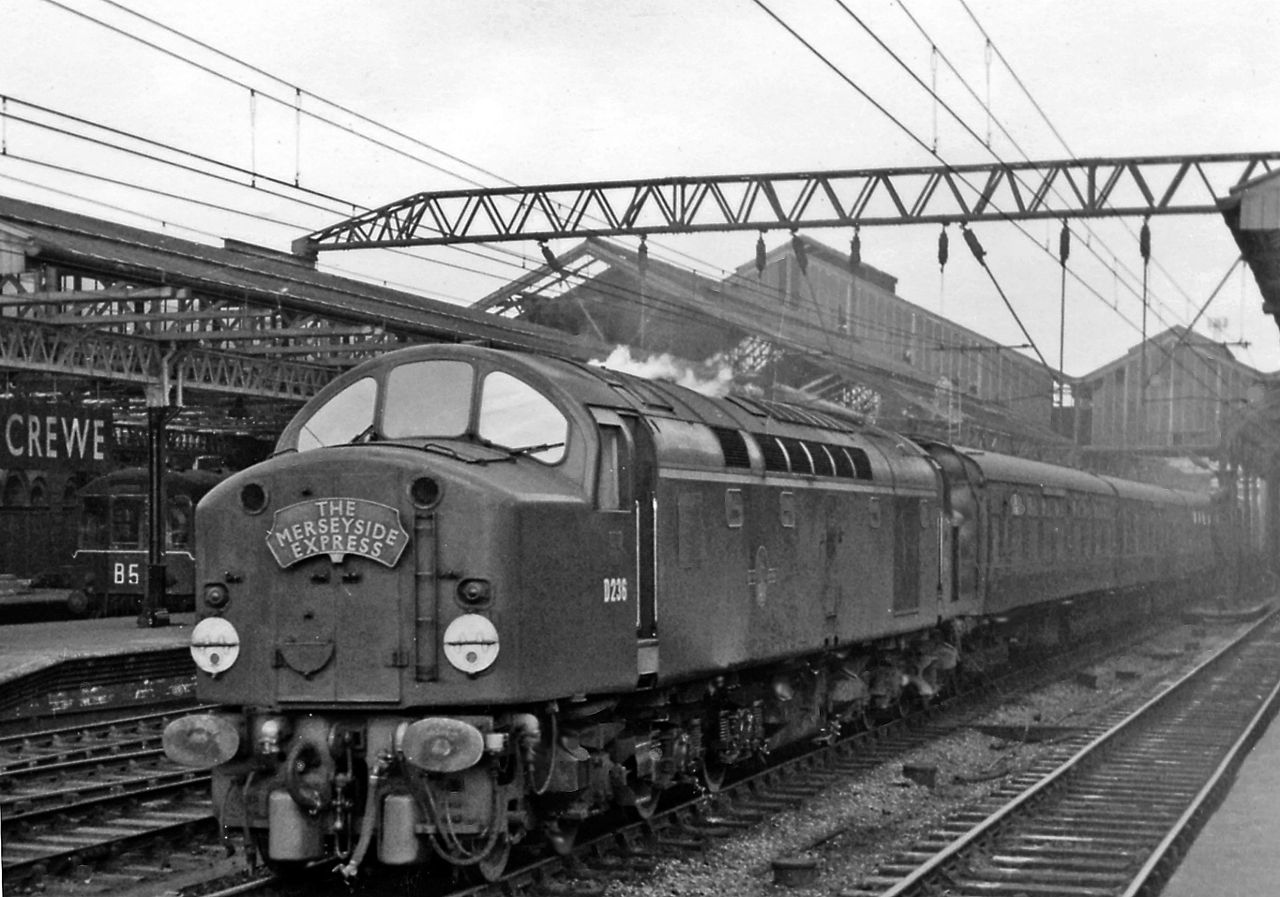
10 Images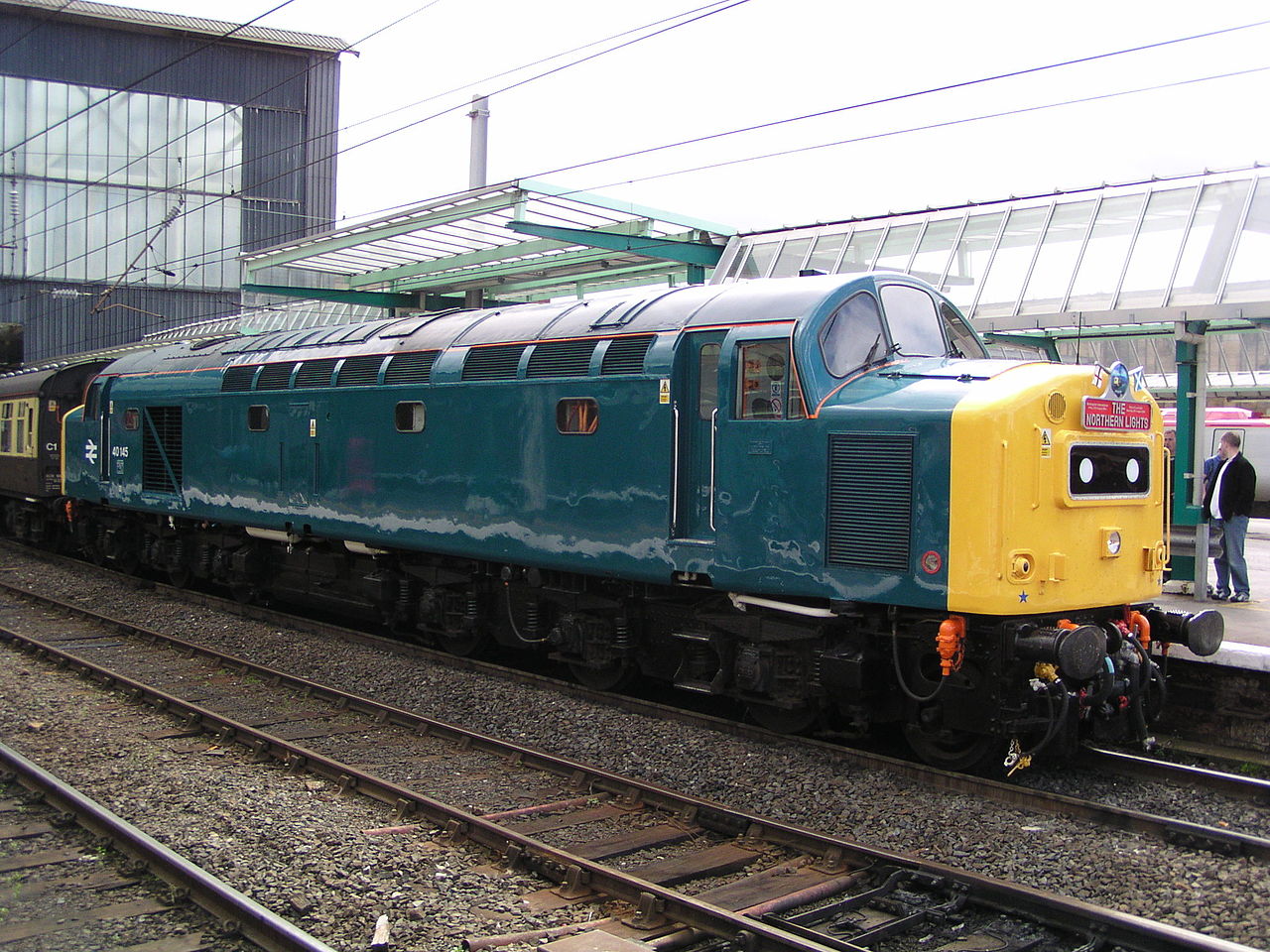




Design and technical features
Class 40s followed conventional diesel-electric practice of the era: a prime mover coupled to an electrical generator and axle-mounted traction motors. Externally they retained a long-hood layout with driving cabs at each end, providing bidirectional operation without the need for turning. The type combined robustness and straightforward mechanical systems, attributes that aided maintenance and allowed them to work reliably on both passenger and freight diagrams.
Operational history
When introduced the Class 40s were employed on mainline express services and some named trains, reflecting the rapid replacement of steam traction across the network. However, as British Rail acquired more powerful and faster diesel designs in the 1960s and 1970s, the Class 40s were progressively displaced from top-link duties. They remained widely used on secondary expresses, regional passenger services, parcels trains and general freight for many years, valued for their availability and adaptability.
Performance and modifications
Throughout their careers some locomotives received modifications to improve reliability, crew comfort and compatibility with changing operating practices. Although not the most powerful members of the diesel era, Class 40s had adequate performance for many mixed-traffic roles. They were gradually reassigned from high-speed mainline work as heavier and more powerful locomotives became common.
Withdrawal and preservation
Withdrawals began as the fleet aged and traffic patterns changed; the last examples were removed from regular service in 1985. A number of Class 40s were saved for preservation and can be seen on heritage railways and at special events, where they demonstrate mid-20th-century diesel traction and the transition away from steam. Preserved examples often appear at galas and on enthusiast charters, maintained by volunteer groups.
Legacy
The Class 40s are remembered for their role in the modernisation of British railways and for long, varied careers spanning top-link expresses to local freight turns. They illustrate the rapid pace of diesel development in the post-war decades and the operational shift that accompanied the end of steam. For general context on the technology they employed, consult sources on diesel locomotives.
Quick reference
- Builder: English Electric
- Operator: British Rail
- Years built: 1958–1962
- Number built: 200
- Typical use: early mainline expresses; later secondary passenger and freight
- Final withdrawal from regular service: 1985
Further reading and detailed technical data are available in specialist histories and preservation group publications that focus on British diesel traction and the era of rapid change that produced types such as the Class 40.
Related articles
Author
AlegsaOnline.com British Rail Class 40 diesel-electric locomotive Leandro Alegsa
URL: https://en.alegsaonline.com/art/14432