
Piano Concerto No. 5 in E-flat major, Op. 73 ("Emperor") — Beethoven
Beethoven's Piano Concerto No. 5 in E-flat major, Op. 73, nicknamed "Emperor", is his final piano concerto (1809). Grand in scale, it blends martial grandeur with intimate lyricism and remains a core work in the repertoire.
Overview
The Piano Concerto No. 5 in E-flat major, Op. 73, commonly called the "Emperor", is Ludwig van Beethoven's last concerto for piano and orchestra. Composed in 1809, it stands out for its broad, heroic character and its combination of orchestral grandeur with intimate pianistic passages. The work remains one of the most celebrated concertos in the classical repertoire and is frequently performed and recorded.
Image gallery
4 Images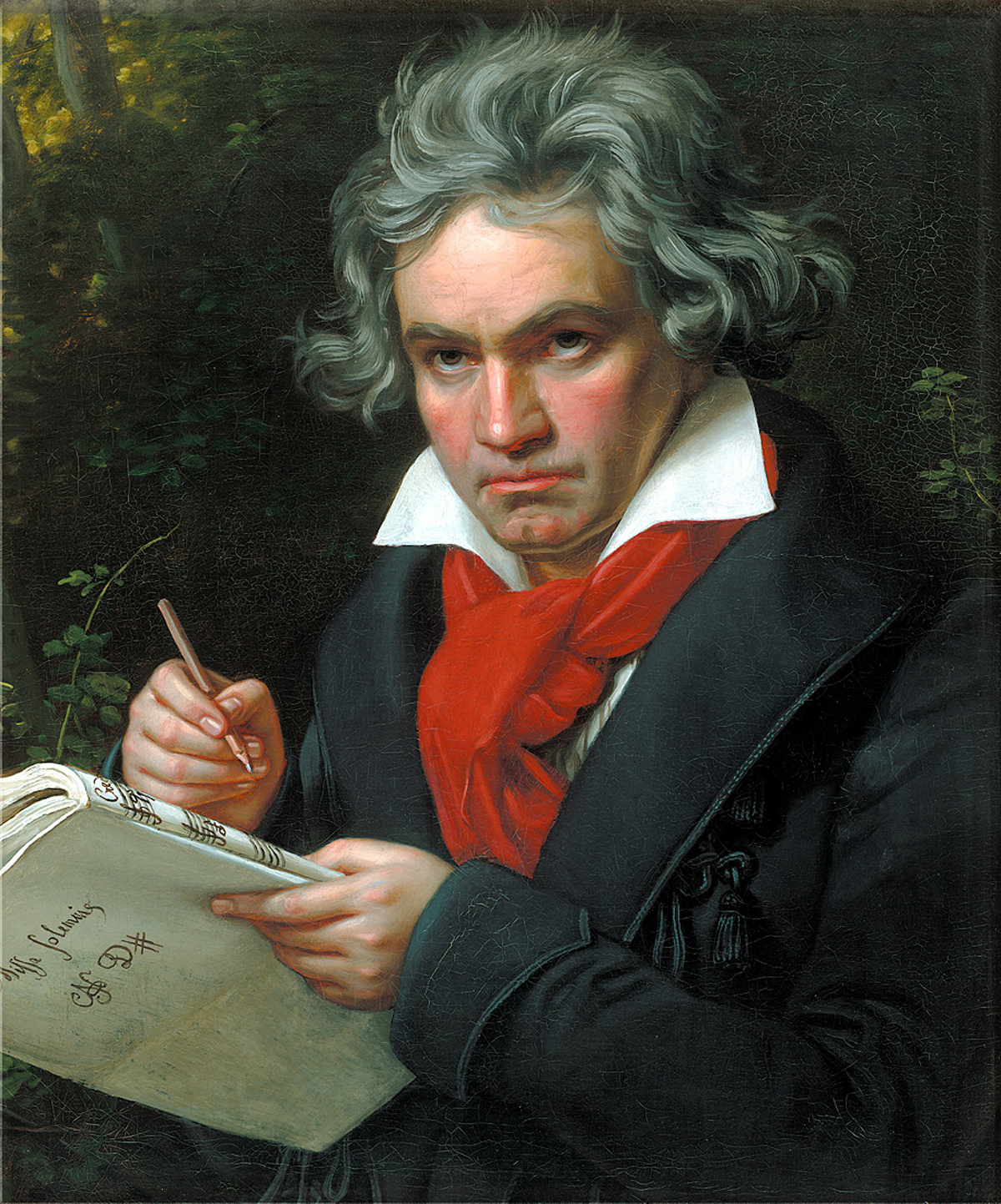
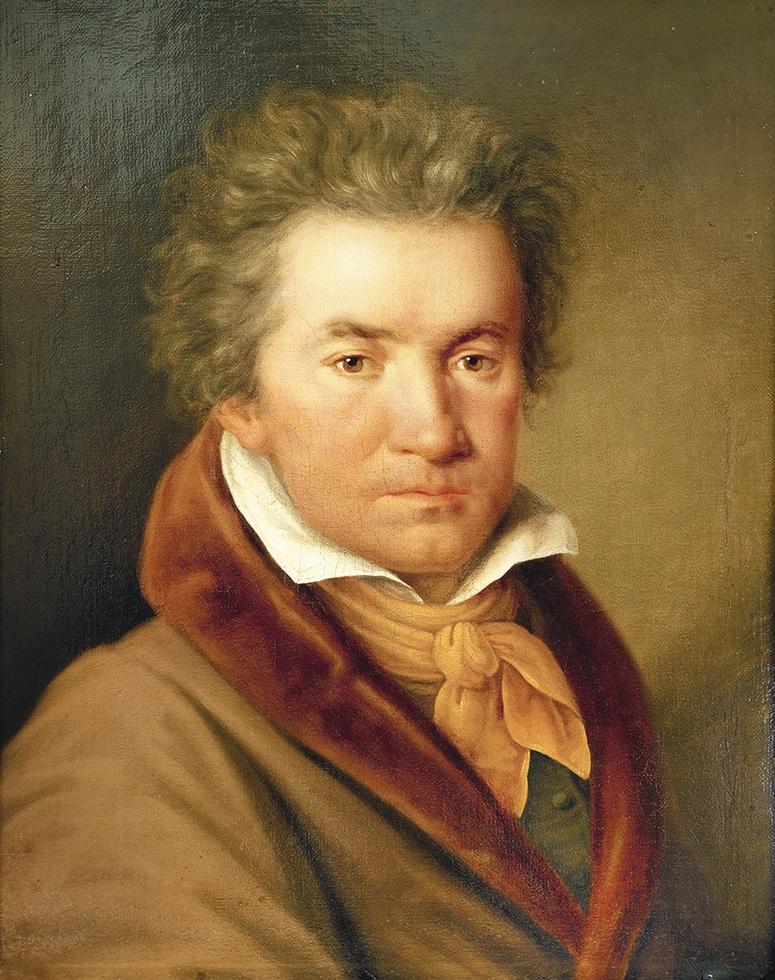


Structure and musical characteristics
The concerto follows the conventional three-movement fast–slow–fast pattern but treats the ensemble and soloist with unusually symphonic breadth. The opening movement presents expansive themes and dramatic fanfares, the slow movement offers a lyrical respite, and the finale returns to a spirited, rhythmic drive. Beethoven integrates the piano not only as a virtuosic soloist but as an equal partner in dialogue with the orchestra.
Movements:
- Allegro — a grand and ceremonious opening that alternates powerful orchestral statements with incisive piano responses.
- Adagio un poco mosso — a calm, songlike movement that contrasts the outer movements with tenderness and expressive warmth.
- Rondo: Allegro — a lively conclusion that mixes virtuosity with rhythmic buoyancy and thematic return.
Historical context and premiere
Beethoven wrote the concerto during a turbulent period in Vienna while the city was under threat in 1809. Although he completed the work that year, he could not play at the premiere because his hearing had deteriorated significantly; the first documented public performance took place in Leipzig in November 1811. The soloist at that premiere was Friedrich Schneider. The popular nickname "Emperor" was not given by Beethoven himself but reflects the martial and majestic qualities listeners associated with the piece.
Orchestration and technical notes
The concerto uses a classical orchestra with winds, brass, timpani and strings and requires a pianist capable of projecting both delicate lyrical lines and assertive, orchestral textures. Notable features include trumpet-like fanfares, conversational exchanges between piano and ensemble, and one or more spots where cadenzas or virtuosic passages highlight the soloist's virtuosity while remaining closely integrated into the work's dramatic flow.
Reception, influence and legacy
Over time the Fifth Concerto became a cornerstone of the piano repertoire and a touchstone for pianists, admired for its synthesis of heroic ambition and intimate expression. Its broad gestures influenced later Romantic concerto writing and carved out a model of the piano concerto as a large-scale, almost symphonic form. For modern listeners and performers the piece exemplifies Beethoven's late-Classical mastery and his inventive approach to concerto form.
Further resources
- Full score and scholarly editions can be consulted via official scores.
- Information on the solo instrument and technique is available for the piano.
- Details on orchestral parts and instrument roles appear in references to the orchestra.
- Biographical context about the composer is discussed in materials on Beethoven.
- Historical accounts of performances and premieres can be found in archives relating to Leipzig.
Author
AlegsaOnline.com Piano Concerto No. 5 in E-flat major, Op. 73 ("Emperor") — Beethoven Leandro Alegsa
URL: https://en.alegsaonline.com/art/144184