
Paul H. O'Neill: Business Leader and U.S. Treasury Secretary
American business executive and public official; led Alcoa, served as U.S. Treasury Secretary (2001–2002), later became a vocal critic of parts of the Bush administration. Died 2020.
Overview
Paul H. O'Neill (December 4, 1935 – April 18, 2020) was an American businessman and public official who combined a long private-sector career with a brief, widely discussed stint in federal government. He is best known for leading the industrial company Alcoa and for serving as the 72nd Secretary of the Treasury in the early years of the George W. Bush administration during its first term.
Image gallery
4 Images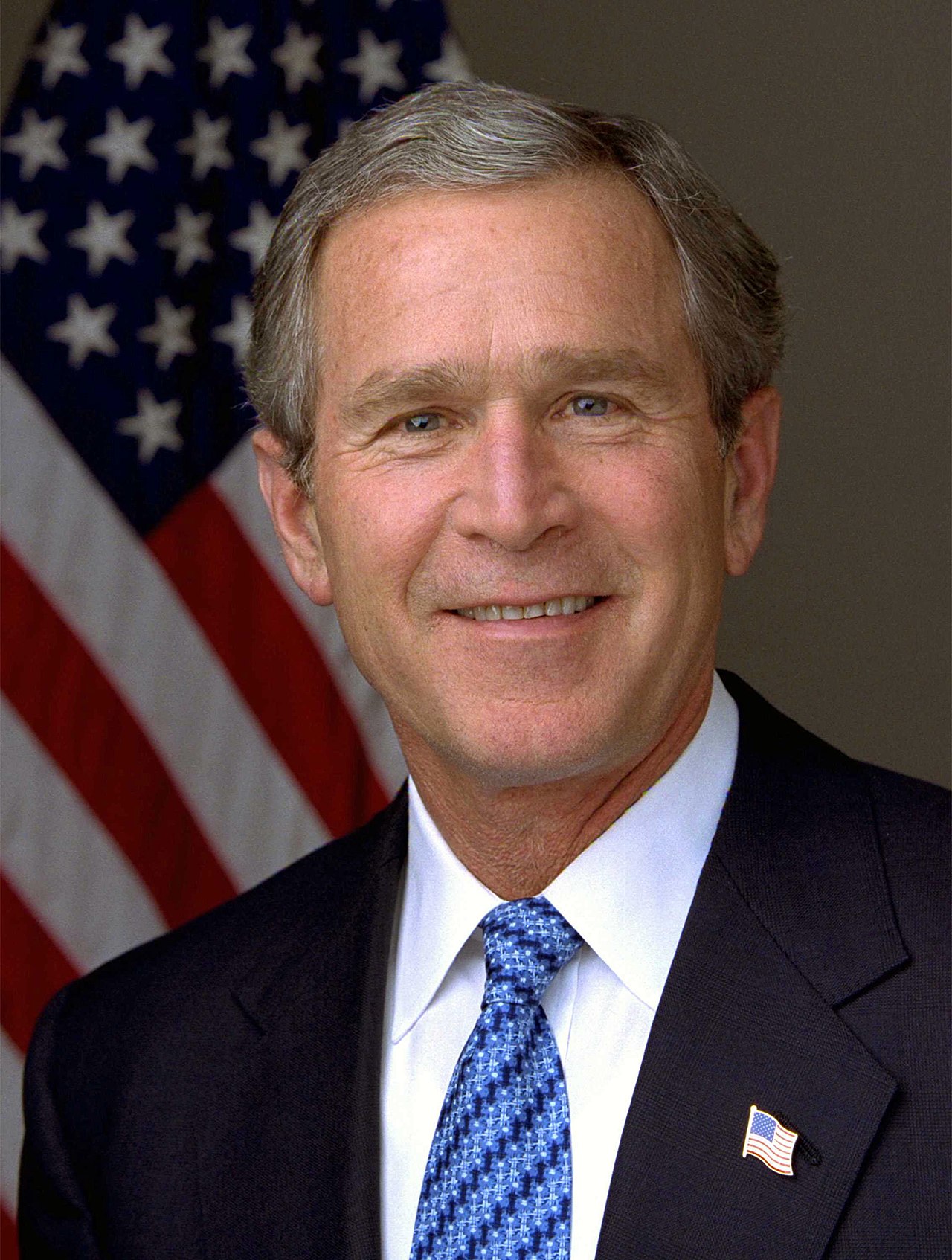


Business career and management style
O'Neill became chairman and chief executive of the Pittsburgh-based aluminum and industrial firm Alcoa in 1987. During his tenure, which lasted through 1999 for the CEO role and into 2000 as chairman, he emphasized operational discipline, cost control and an unusually strong focus on workplace safety. His management style was often described as direct and uncompromising, and he earned a reputation for prioritizing measurable improvements in safety and efficiency across large industrial operations.
Public service and Treasury tenure
In 2001 O'Neill was nominated to head the U.S. Department of the Treasury. He served in that post from January 2001 until his resignation in December 2002. His time in the cabinet was marked by reported disagreements with other senior officials and by public scrutiny of administration priorities. He resigned amid growing tensions with the White House and in subsequent years became a prominent, often outspoken critic of some policy decisions made during that period.
Positions, disputes and writings
After leaving government, O'Neill spoke and gave interviews that portrayed key differences with administration leaders over budgeting, management and policy priorities. He cooperated with journalists and commentators who produced detailed accounts of internal White House deliberations; these accounts further amplified debate about his tenure. Observers have highlighted his willingness to challenge the status quo, both in corporate and public settings.
Key roles and honors
- Chairman & CEO, Alcoa (CEO 1987–1999; chairman until 2000)
- 72nd U.S. Secretary of the Treasury, Department of the Treasury (2001–2002)
- Chairman, RAND Corporation (named chairman in 1995)
Legacy and death
O'Neill's legacy is often described as twofold: a corporate leader who pushed operational rigor and worker safety at a major industrial firm, and a public official whose short cabinet career generated debate about management and policy in the Bush administration. He died in Pittsburgh on April 18, 2020, from lung cancer, at the age of 84.
Author
AlegsaOnline.com Paul H. O'Neill: Business Leader and U.S. Treasury Secretary Leandro Alegsa
URL: https://en.alegsaonline.com/art/143998