
Ohio's 2nd congressional district
A U.S. congressional district in southwest Ohio covering suburban and rural communities. Historically significant and currently represented by a Republican member of the House of Representatives.
Overview
Ohio's 2nd congressional district is a federal electoral district in southwest Ohio. It elects one member to the U.S. House of Representatives and combines suburban neighborhoods, small cities, and large rural areas. The district's boundaries have changed several times because of decennial redistricting, which alters its mix of communities and political balance.
Image gallery
10 Images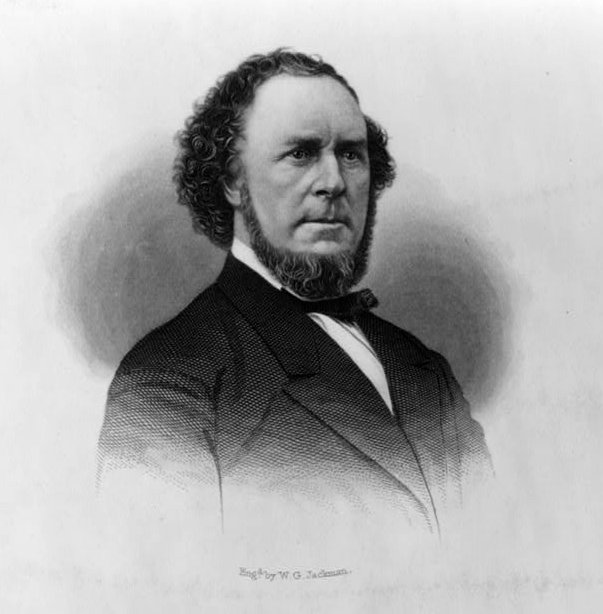


Geography and composition
The district covers parts of the Cincinnati metropolitan area as well as more sparsely populated counties and river communities. Its landscape ranges from suburban residential developments to farmland and small industrial towns. Transportation corridors and proximity to the Ohio River shape local economies and commuting patterns.
Political representation
As of the present, the district is represented by Republican Brad Wenstrup, who serves in the House; his public profile and legislative activity can be found on his official House page. Members from this district participate in national legislative debates and serve on committees while also addressing local concerns such as infrastructure, agriculture, health care, and economic development.
History and notable figures
The 2nd district has a long history of representation in Congress and has been home to several individuals who later achieved broader prominence. One historical figure associated with the district is Rutherford B. Hayes, who went on to become President of the United States from 1877 to 1881. Over time, shifting populations and political trends have changed the district's partisan lean.
Political character and elections
In recent decades the district has tended to favor Republican candidates in federal elections, though specific outcomes can vary with redistricting and local factors. Like all congressional districts, it holds elections every two years for a seat in the House of Representatives. Campaigns often focus on economic opportunity, veterans' services, health care access, and local infrastructure.
Importance and distinctions
- Mix of urban-adjacent suburbs and rural communities gives the district varied policy priorities.
- Its changing boundaries illustrate the impact of redistricting on representation.
- Historical connections to national figures make it notable in Ohio's political story.
The district remains an important part of Ohio's delegation to Congress, balancing local interests with national legislative responsibilities and reflecting both the state's and the region's evolving political and economic profile.
Author
AlegsaOnline.com Ohio's 2nd congressional district Leandro Alegsa
URL: https://en.alegsaonline.com/art/143594