
Norwalk, California
Norwalk is a midsize city in southeastern Los Angeles County, California, known as a residential suburb of Los Angeles with diverse communities, local commerce, and regional transportation links.
Overview
Norwalk is a city in Los Angeles County, California, located in the southeastern portion of the county. It functions largely as a residential community and commercial center within the greater Los Angeles metropolitan area. The city lies roughly 17 miles southeast of downtown Los Angeles and is commonly described as a suburb of Los Angeles, with established neighborhoods, schools, and municipal services that serve a population of about 100,000. At the 2010 census the population was 105,549; a 2019 estimate placed it near 103,949.
Image gallery
10 Images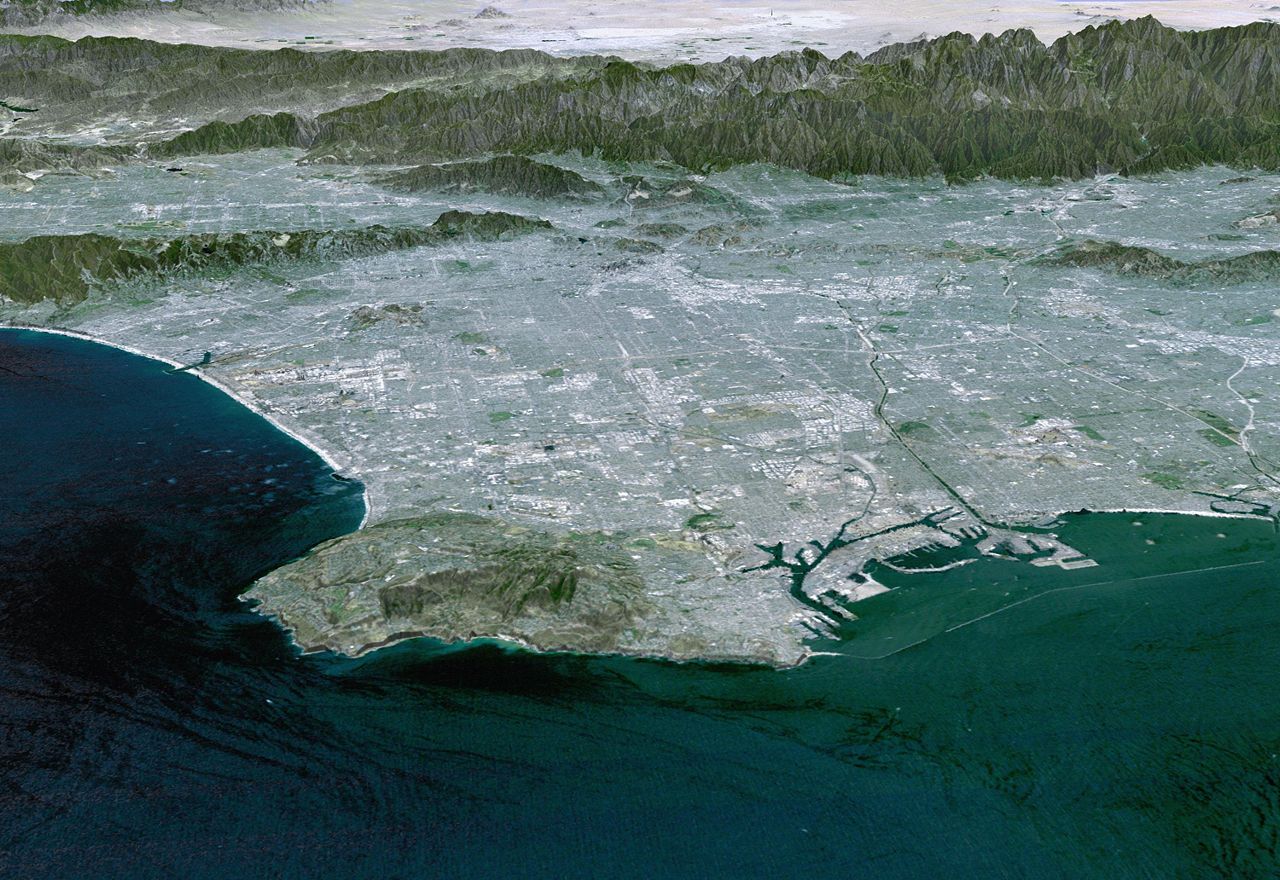




Geography and population
Norwalk occupies a part of the alluvial plain that makes up much of southeastern Los Angeles County. Its location places it within a dense urban and suburban fabric that includes shopping districts, small industrial areas, and residential blocks. Because of its size and land use pattern Norwalk is among the more densely populated municipalities in California, reflecting the region's mix of single-family neighborhoods, multi-family housing, and commercial corridors.
History and development
The area that became Norwalk was originally within lands inhabited by Indigenous peoples of the Los Angeles basin. During the Spanish and Mexican periods the territory was dominated by ranching and agriculture. The community grew steadily during the 20th century as the Los Angeles region expanded outward. Norwalk incorporated as a city in the mid-20th century and developed infrastructure and local government institutions typical of postwar suburban communities. Over time it evolved from agricultural and ranch lands into a largely residential and commercial municipality.
Economy and transportation
Norwalk's local economy is a mix of retail, services, light industry, and public-sector employment. Its location within the metropolitan area gives residents access to a broad regional job market while local businesses serve nearby neighborhoods. The city is connected to surrounding communities by major roads, freeways and public transit, providing commuting options into central Los Angeles and neighboring employment centers.
- Regional and local bus services stop within the city and connect to nearby transit hubs.
- Several freeway corridors serve the area, allowing automobile access across Los Angeles County and beyond.
- Commuter rail and rapid-transit stations in the general vicinity link riders to downtown Los Angeles and other parts of the region.
Community, culture and notable facts
Norwalk hosts parks, community centers, and public events that reflect the cultural diversity of the region. Local government oversees municipal services such as libraries, recreation, and public safety, while independent school districts and community organizations provide educational and civic programs. The city's proximity to central Los Angeles—in particular its distance from Downtown—combined with established neighborhood centers makes it a typical example of a mid-20th-century suburban city that continues to adapt within a large metropolitan area.
For further civic, planning, or visitor information consult municipal resources and regional planning agencies. More detailed histories and demographic profiles are available through local historical societies and county records.
Author
AlegsaOnline.com Norwalk, California Leandro Alegsa
URL: https://en.alegsaonline.com/art/143500