
Norm Macdonald — Canadian comedian, writer and actor
Comprehensive overview of Norm Macdonald’s life and career: SNL breakthrough, television and film work, stand-up and podcast projects, private illness, personal life, and lasting influence on comedy.
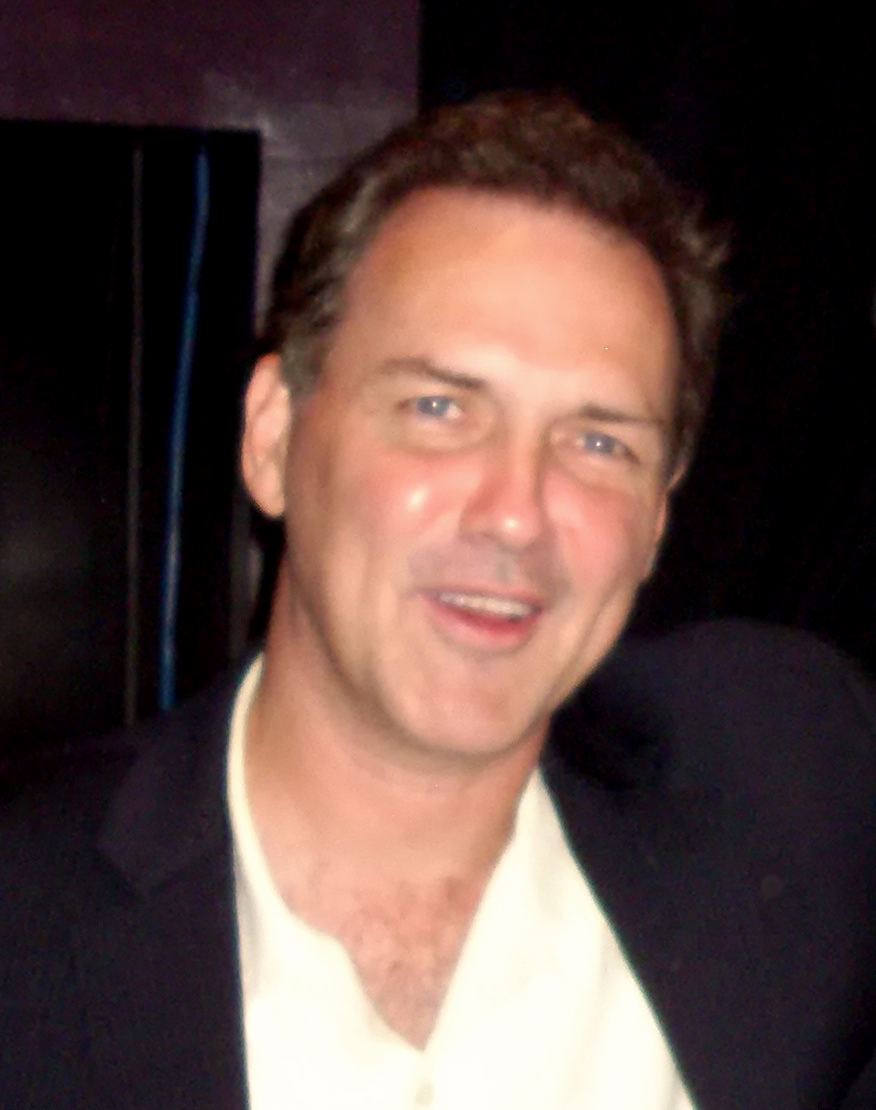
Norman Gene Macdonald (October 17, 1959 – September 14, 2021) was a Canadian comedian, writer and actor known for a dry, deadpan delivery, long-form joke construction and a reputation as a comedian’s comedian. He worked in stand-up, television, film and audio media across a career that brought both mainstream recognition and deep respect within the comedy community.
Image gallery
2 Images
Early life and beginnings
Macdonald was born in Quebec City. He began performing stand-up in Canada, later moving to the United States to pursue wider television and film opportunities. Early writing work included staff positions on sitcoms; he contributed to the writing team of the sitcom Roseanne, which helped him develop skills in scripted comedy and timing for network television.
Breakthrough on television
His national breakthrough came when he joined the cast of Saturday Night Live in 1993. Macdonald became best known for anchoring the Weekend Update desk, where his laconic persona, subversive one-liners and willingness to let awkward pauses build tension set him apart. His run on SNL lasted five seasons and established him as a distinctive voice in 1990s American comedy. After SNL he created and starred in television series including The Norm Show (also known as Norm, 1999–2001) and A Minute with Stan Hooper (2003), furthering his work as a performer and writer.
Film, voice work and podcasts
Macdonald appeared in feature films, most notably as Mitch Weaver in the comedy film Dirty Work. He also performed voice roles in family films, including parts in entries of the Dr. Dolittle series. In the 2010s he returned to long-form conversation and interview formats as the host of the podcast Norm Macdonald Live (2013–2018), a program that showcased his patient, conversational style and drew a loyal audience.
Comic style and reputation
Macdonald’s comedic approach combined a neutral tone, precise wording and frequent use of extended setups or deliberate repetition; he often derived humor from the tension between a bland delivery and an absurd or subversive punch line. He was admired by peers for timing and intellectual control of material and was frequently described as a comedian who prioritized the craft of joke-telling. His work influenced a generation of stand-ups and writers who cite his phrasing and comedic risks as formative.
Personal life, illness and death
Macdonald was private about his personal affairs. He married Connie Vaillancourt in 1988; the couple later legally separated and they had one son, Dylan (born 1993). In later years he kept his health matters largely out of the public eye. Macdonald died in Pasadena, California, on September 14, 2021, from leukemia. Media reports and statements from close associates noted that he had been diagnosed with the disease several years before his death and had chosen to handle his treatment and information privately.
Legacy and influence
Norm Macdonald is remembered for a particular patience in his performances and an inclination to let jokes breathe. That approach—favoring timing, misdirection and an apparent indifference that sharpened the payoff—made him a touchstone for comedy students and working professionals. His appearances, recordings and the many interviews and clips that circulate since his death continue to be studied by fans and comics, and his influence is visible in the phrasing and risk-taking of numerous contemporary performers.
Selected works
- Television: Saturday Night Live (Weekend Update anchor), The Norm Show, A Minute with Stan Hooper
- Film: Dirty Work (role: Mitch Weaver); voice and supporting roles in family films including entries in the Dr. Dolittle series
- Audio: Stand-up recordings and the podcast Norm Macdonald Live (2013–2018)
For further reading on his career and collected performances, consult authoritative biographies, archived interviews and recorded specials. His work remains a frequent subject of discussion among writers and performers studying the mechanics of stand-up, satire and television comedy, and his unique voice remains part of the ongoing conversation about late 20th- and early 21st-century humor. He began as a stand-up performer and retained that identity throughout his life, often returning to live stages and recordings where the essentials of his craft were most visible; one early thread of his career emphasized live performance and stand-up comedy as the foundation of his approach.
Notes on sources and context: many contemporary obituaries, interviews and retrospectives document his years on SNL, his writing credits, and personal milestones; readers seeking original interviews and archival material may consult trusted media outlets and recorded specials for primary accounts and archived performances.
Saturday Night Live overview | Roseanne (writing credit) | Quebec City background | leukemia (health) | Pasadena (place of death) | diagnosis reports
Author
AlegsaOnline.com Norm Macdonald — Canadian comedian, writer and actor Leandro Alegsa
URL: https://en.alegsaonline.com/art/143448