
Norman Schwarzkopf Jr.
United States Army general best known as commander of coalition forces in the 1991 Gulf War, noted for wartime leadership, media presence and his bestselling memoir.
Overview
Herbert Norman Schwarzkopf, Jr., commonly known as Norman Schwarzkopf, was a senior United States Army officer who rose to prominence as commander of U.S. Central Command and of the multinational coalition that liberated Kuwait during the 1990–1991 Gulf War. He became a widely recognized public figure for his wartime leadership, clear public briefings and later writings. For authoritative summaries of his career see the official biography and references to his rank and service here.
Image gallery
10 Images
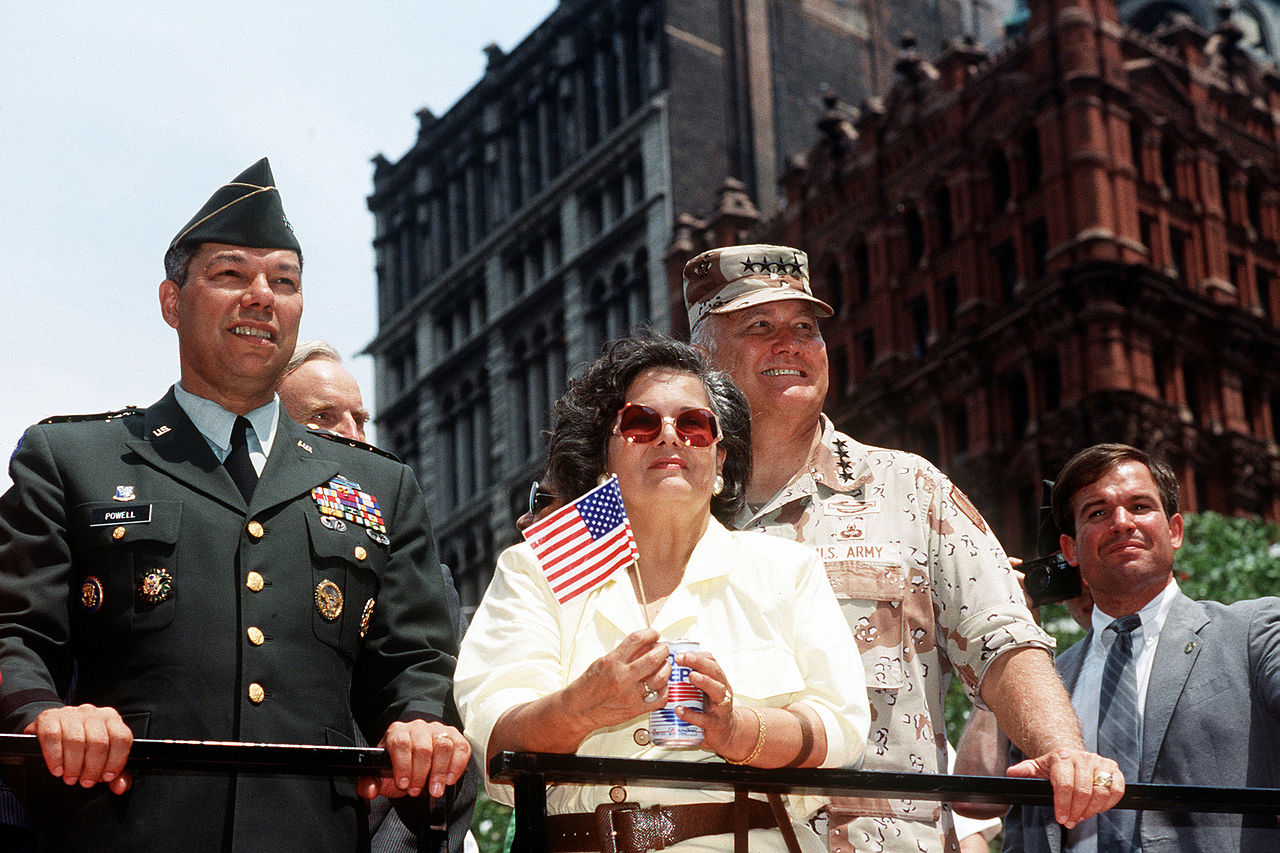


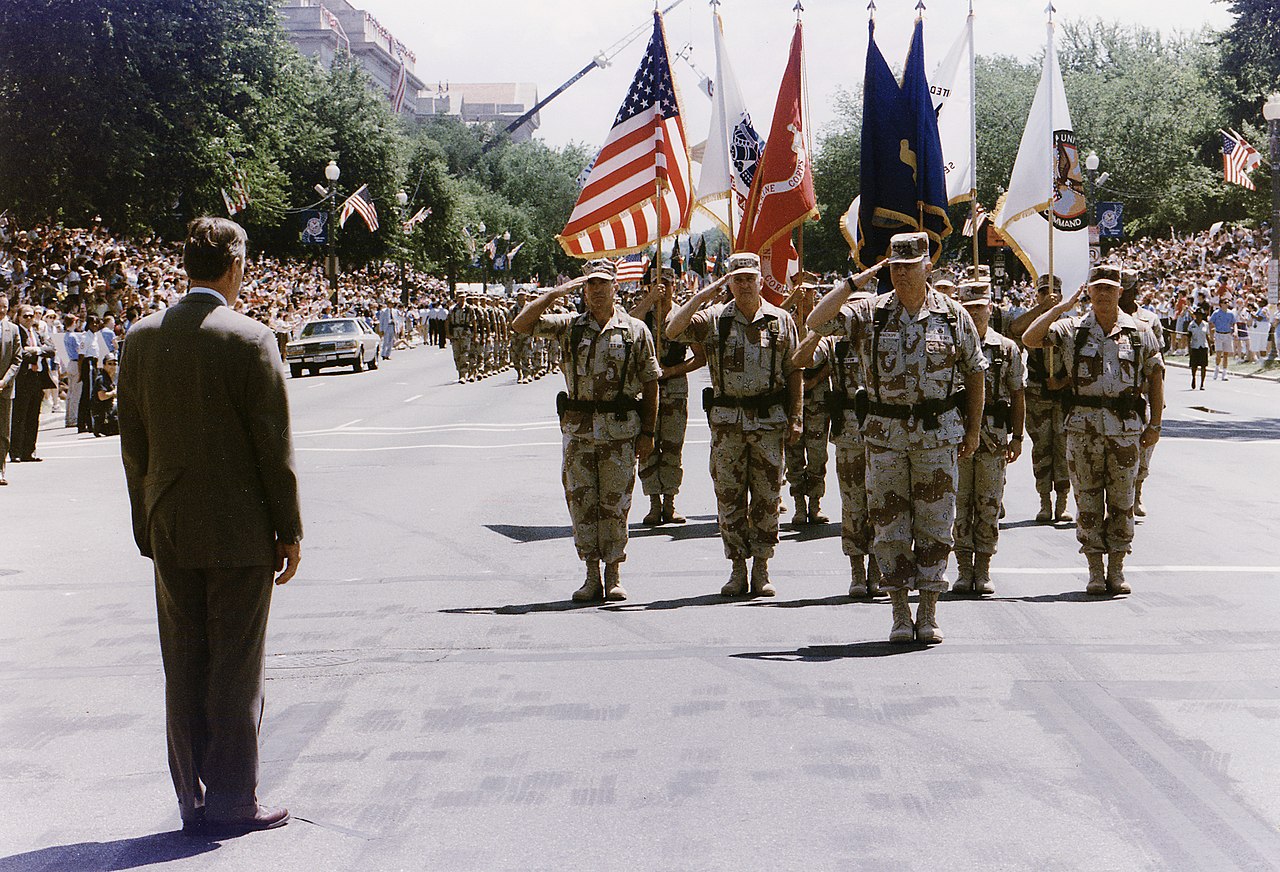


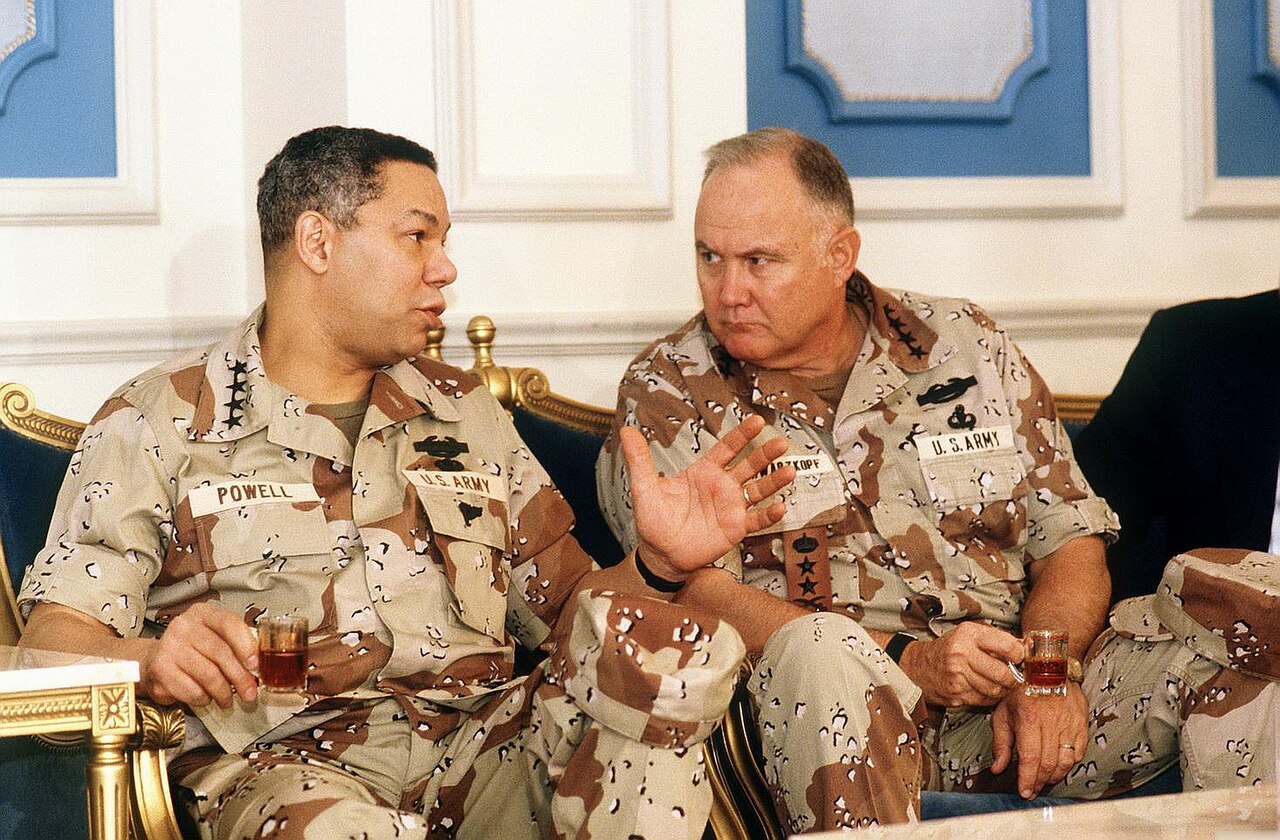
Early life and background
Schwarzkopf was born on August 22, 1934, in Trenton, Trenton, New Jersey. He grew up in a family with roots in German-speaking Europe and was the son of Ruth Alice (née Bowman) and Norman Schwarzkopf, Sr.; family background is often noted in biographical summaries (heritage). Early influences, including his father's public-service career, shaped his decision to pursue a military path and professional education.
Military education and career
Over a long career Schwarzkopf completed professional military education and served in a variety of command and staff positions. He advanced through the officer ranks to become a four-star general and the head of U.S. Central Command, the regional combatant command responsible for U.S. military operations in the Middle East. He served in combat and staff roles during periods of Cold War tension and the Vietnam era, gaining experience in combined-arms operations and joint planning.
Gulf War: Desert Shield and Desert Storm
As commander of coalition forces during Operation Desert Shield and Operation Desert Storm, Schwarzkopf planned and directed multinational operations that combined air campaigns with a rapid ground offensive to expel Iraqi forces from Kuwait. The campaign is frequently cited as an example of modern coalition warfare and coordinated use of air power, logistics and maneuver. Contemporary reporting and historical overviews discuss the operational concepts and political context of the 1991 conflict; for background see material on the Gulf War.
Leadership and public image
Known in the press by the nickname "Stormin' Norman", Schwarzkopf developed a visible public role during the conflict. His succinct briefings and careful media engagement made him a focal point for public understanding of the war. Military educators and analysts have studied his command style, decision-making under coalition constraints, and relations with civilian authorities. Health reports and later interviews documented aspects of his post-service life and condition (health reports).
Later life, writings and death
After retiring from active duty, Schwarzkopf wrote a bestselling memoir, became a public speaker and made occasional media appearances. He was recognized with numerous U.S. and foreign decorations and honors for his service. Schwarzkopf died of complications from pneumonia on December 27, 2012, in Tampa, Florida; contemporary obituaries and retrospectives provide additional detail about his life and passing.
Legacy
His legacy includes the demonstration of large-scale coalition command in the post–Cold War era, influence on doctrinal discussions about air-land integration and maneuver, and a prominent example of military leadership under intense public scrutiny. For further reading consult the linked biographies, military histories and contemporary reporting on his commands and professional record (biography, service summary, conflict overview).
Notable facts
- Commanded the multinational force that liberated Kuwait in 1991.
- Became a nationally known figure through wartime briefings and a bestselling memoir.
- Remains a subject of study in military history and leadership courses.
Author
AlegsaOnline.com Norman Schwarzkopf Jr. Leandro Alegsa
URL: https://en.alegsaonline.com/art/143447