
Mortal Kombat vs. DC Universe
A 2008 crossover fighting game pairing Mortal Kombat characters with DC Comics superheroes and villains, released for Xbox 360 and PlayStation 3 with story, arcade, practice and online modes.
Overview
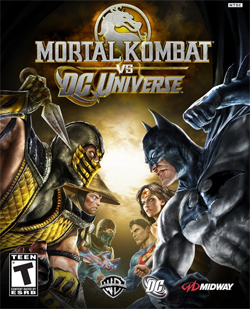
Mortal Kombat vs. DC Universe is a crossover console fighting game released in 2008. Developed and published by Midway, it brought together characters from the long-running Mortal Kombat franchise and iconic heroes and villains from DC Comics. The title was issued for the major seventh-generation platforms, including the Xbox 360 and the PlayStation 3, and offered both single-player and online multiplayer options.
Image gallery
3 Images

Gameplay and Modes
The game blends elements of traditional Mortal Kombat combat with adjustments to suit superhero characters. Matches are one-on-one fights that use a health and special-meter system, combining special moves, combos, and finishing maneuvers. To cater to the presence of well-known comic-book figures, some character moves emphasize superpowers rather than the standard Mortal Kombat animations.
Major game modes include:
- Arcade mode: a series of successive fights culminating in an ending for individual characters.
- Story mode: a narrative-driven campaign that explains why characters from both universes clash and how their worlds intersect.
- Practice/training: sessions for learning controls, combos, and character-specific techniques.
- Online multiplayer: matches against other players over the network.
Characters and Design
The roster mixes staple Mortal Kombat combatants and high-profile DC figures. Players can control characters such as Scorpion and Sub-Zero alongside Batman, Superman and other DC heroes and villains. Each fighter retains recognizable traits from their source material while receiving balance tweaks so that superheroes and Mortal Kombat ninjas can compete on similar footing.
Aesthetic and presentation choices reflect both brands: stages, music cues and visual effects draw on Mortal Kombat’s fighting-game heritage while incorporating the iconography and settings familiar to comic-book fans.
Development, Rating and Release
Midway created the title through a licensing arrangement with DC properties and aimed to produce a game accessible to a broad audience. Because the DC characters come from a franchise with different expectations about violence, some graphic elements that are characteristic of the mainline Mortal Kombat games were reduced or modified so that the title could reach a wider age group and obtain a more restrictive rating than the series’ usual releases. The game shipped with online features and support consistent with contemporary console standards.
Reception and Legacy
On release, the crossover drew attention for its unusual mash-up of universes and for the creative challenge of balancing characters from very different genres. Critics and players commented on the novelty of seeing traditional Mortal Kombat finishers and ninja techniques interacting with superhero powers and comic-book storytelling. The title also stands as an early example of licensed cross-franchise fighting games on modern consoles and influenced discussions about how established franchises can be adapted to suit collaborations without wholly abandoning their core identity.
Notable Facts and Distinctions
- It marked one of the first major crossover fighting titles pairing Mortal Kombat combatants with mainstream superhero characters in a full console release.
- The design consciously toned down graphic content relative to the Mortal Kombat series to fit expectations around DC characters and to aim for a broader audience.
- Its combination of single-player story content and online matchmaking reflected the evolving priorities for fighting games on the Xbox 360 and PlayStation 3 era.
For players and observers interested in crossovers, adaptations of licensed characters, or the evolution of fighting-game design during the late 2000s, Mortal Kombat vs. DC Universe remains a noteworthy example of blending distinct intellectual properties into a single interactive experience.
Author
AlegsaOnline.com Mortal Kombat vs. DC Universe Leandro Alegsa
URL: https://en.alegsaonline.com/art/142973