
Mortal Kombat (2011 video game)
A 2011 reboot of the Mortal Kombat fighting series by NetherRealm Studios, noted for a cinematic story mode, brutal finishing moves and the X‑Ray system; released for PS3, Xbox 360 and Windows.
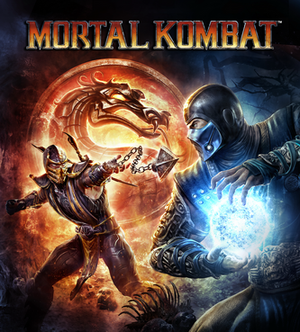
Mortal Kombat (often called the 2011 reboot) is a headlined entry in the long-running fighting game genre and a reimagining of the series' early storylines. Developed by NetherRealm Studios, the title retells and condenses key events from the franchise's original trilogy while updating mechanics, presentation and narrative structure for modern consoles and PC. The game is part of the broader Mortal Kombat franchise and helped re-establish its tone and direction in the 2010s.
Image gallery
3 Images

Gameplay
Gameplay combines traditional 2D fighting plane combat with cinematic camera work and modern combo systems. Matches emphasize a mixture of strikes, throws, special moves and character-specific abilities. Two of the game's most discussed mechanical elements are:
- Finishing moves—highly stylized and graphic "Fatalities" that conclude a fight.
- The X‑Ray attack system—an on-screen effect that dramatizes internal damage during certain powerful moves.
Game modes include a cinematic story mode that follows a time-bending plot, standard arcade ladders, online multiplayer, and a series of challenge towers that test players' mastery of individual characters and situations.
Development and release
The title was produced after the series' earlier entries and studio reorganizations; it was positioned as a fresh starting point for new and returning players. It launched in April 2011 across major platforms, including the PlayStation 3, Xbox 360 and later Microsoft Windows, with post-release downloadable content and balance updates supporting the online community.
Reception and legacy
Critics and players generally praised the game for its production values, cinematic story, and faithful but modernized combat. Some criticism focused on online stability and choices about downloadable characters and extras. Commercially and culturally, the release is widely regarded as a turning point that renewed interest in the franchise and influenced subsequent entries.
Notable facts
The 2011 reboot is notable for bringing a darker, more cinematic presentation to the series while preserving signature elements—character roster staples such as Scorpion, Sub‑Zero and Liu Kang, brutal finishing techniques, and a focus on competitive combo play. It remains a frequently cited example of how established fighting series can be refreshed for contemporary audiences.
Author
AlegsaOnline.com Mortal Kombat (2011 video game) Leandro Alegsa
URL: https://en.alegsaonline.com/art/142972