
Montferland: municipality, landscape and heritage in Gelderland
Montferland is a Dutch municipality in Gelderland, formed in 2005. It combines wooded hills, agricultural land and historic towns near the German border, known for recreation and the Huis Bergh castle.
Overview
Montferland is a municipality in the province of Gelderland in the eastern Netherlands. Formed on 1 January 2005 by merging the former municipalities of Bergh and Didam, Montferland had a population of about 36,000 people in 2021. The area combines small towns, villages and rural countryside with a central wooded ridge that gives the municipality its name.
Image gallery
10 Images



Geography and natural features
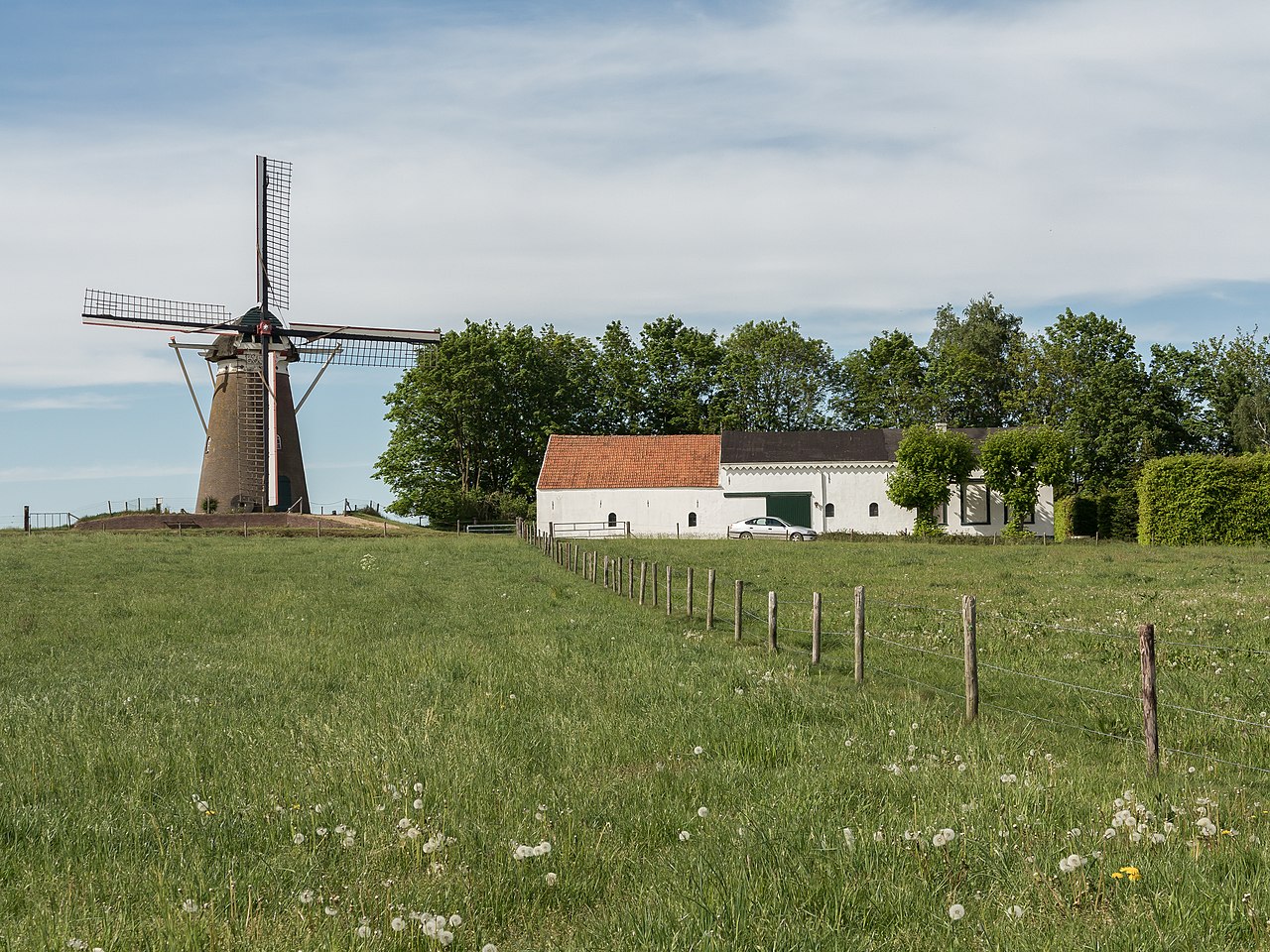
The municipality lies along the Dutch–German frontier: its southern boundary meets Germany. Montferland occupies part of the Liemers region and is distinguished by the Montferland hills (also called the Bergherbos), a forested rise used for walking, cycling and birdwatching. Much of the surrounding land is agricultural, with a mix of fields, hedgerows and smaller woodlands.
History and administration
The present municipality dates from the 2005 administrative reorganisation that combined Bergh (centred on 's-Heerenberg) and Didam. Settlement in the area goes back many centuries and the local towns retain historic centres and manor houses. Municipal government is responsible for local services, planning and nature management across the combined territory.
Economy, culture and recreation
Montferland's economy is largely local and regional in scale: agriculture, small industry and services support the population, while tourism and recreation play a notable role because of the hills and heritage sites. Outdoor activities—hiking, cycling and equestrian routes—are popular, and the municipality hosts cultural events in its towns throughout the year.
Notable places and examples
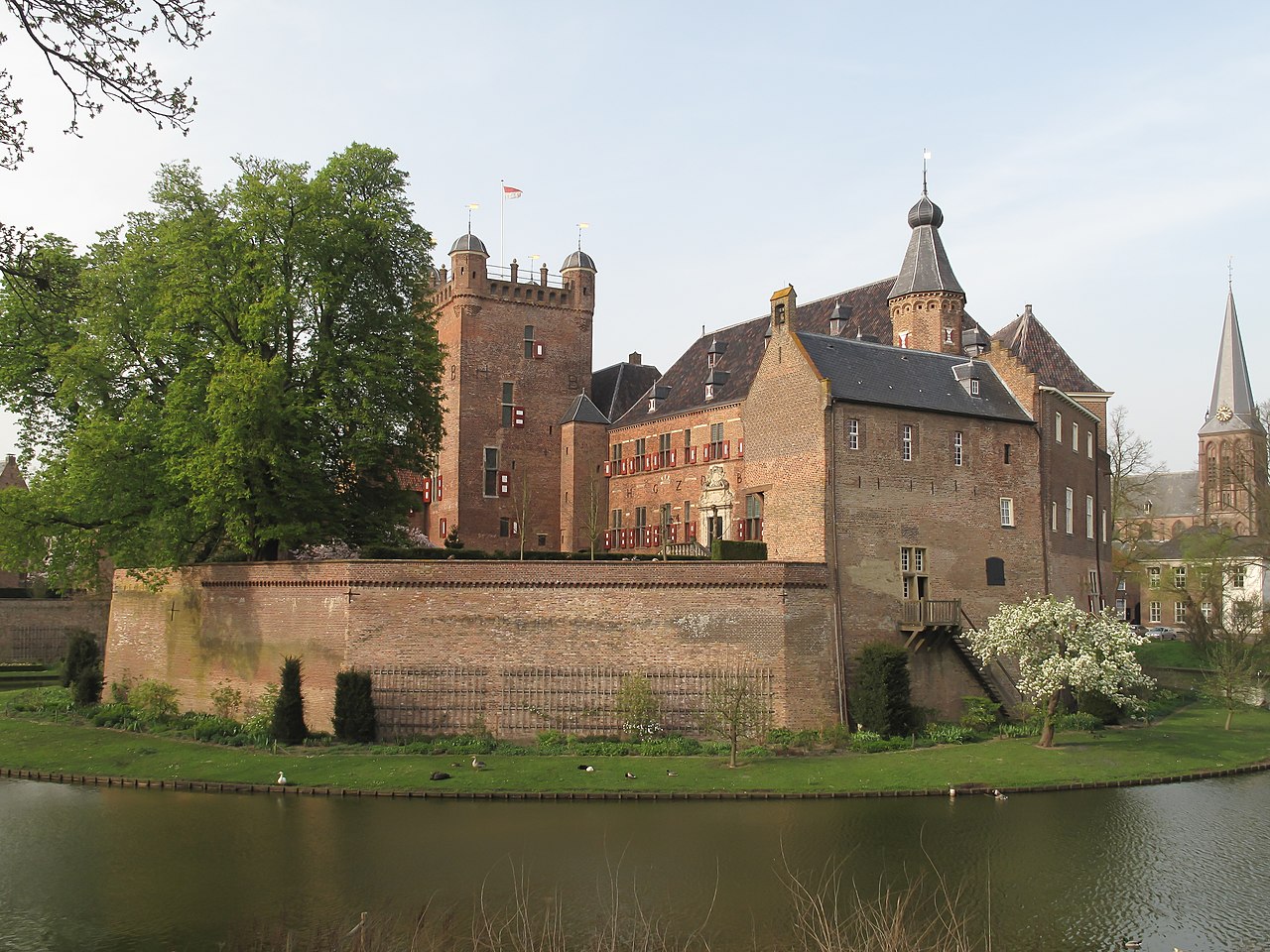
- 's-Heerenberg: historic town with the well-known medieval Huis Bergh castle and museum facilities.
- Didam and other villages: service centres for the surrounding rural area, with shops and community amenities.
- Bergherbos / Montferland hills: locally important woodland and recreational landscape.
Regional distinctions and identity
Montferland is usually regarded as part of the Liemers region, but the wooded ridge in its centre is sometimes treated as the dividing feature between the Liemers and the neighbouring Achterhoek. Its position on the border with Germany gives it cross-border connections in economy and culture, and the mix of natural and built heritage shapes the municipality's local identity.
Author
AlegsaOnline.com Montferland: municipality, landscape and heritage in Gelderland Leandro Alegsa
URL: https://en.alegsaonline.com/art/142876