
Mohammad-Reza Shajarian: Master of Persian Classical Music
Iranian classical singer, composer and calligrapher Mohammad-Reza Shajarian (1940–2020) was a leading interpreter of Persian traditional music, celebrated for his vocal technique, pedagogy and cultural influence.
Mohammad-Reza Shajarian (Persian: محمدرضا شجريان; 23 September 1940 – 8 October 2020) was an Iranian classical singer, composer and calligrapher widely regarded as one of the twentieth century’s foremost exponents of Persian traditional music. Born in Mashhad and active for more than five decades, he combined a refined vocal technique with deep knowledge of the radif (the canonical repertoire of Persian music), and helped introduce this tradition to international audiences. His recorded output includes the widely known song "Night, Silence, Desert" (2000) and numerous collaborations with leading instrumentalists.

Image gallery
10 Images




Musical style and contributions
Shajarian’s singing was marked by precise intonation, flexible ornamentation and expressive delivery of Persian poetry. He worked within the modal system known as dastgāh and drew on the radif’s melodic material while allowing room for improvisation (avaz). His repertoire ranged from classic vocal pieces to contemporary settings of modern poets, and he was praised for conveying both technical mastery and emotional nuance. As a teacher he trained many younger singers and was active in preserving and transmitting vocal techniques and repertoires that had been learned through apprenticeship and oral transmission.

Career, recordings and legacy
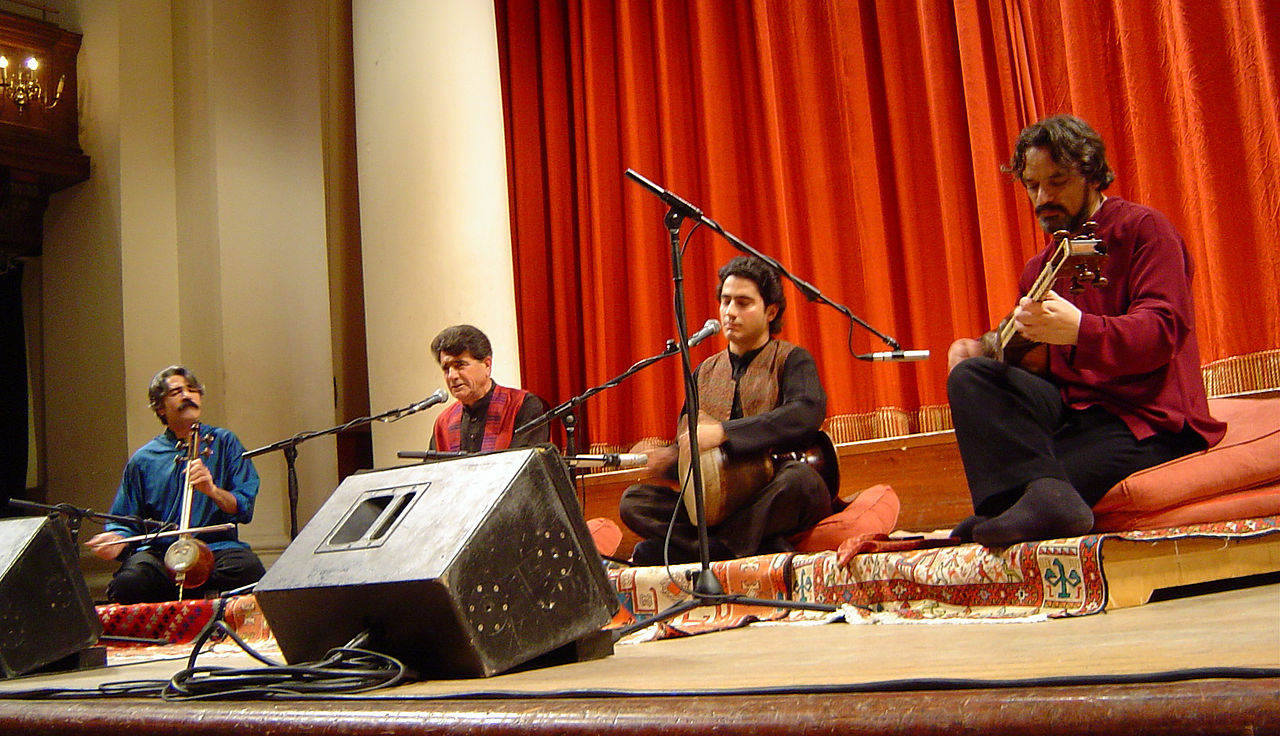
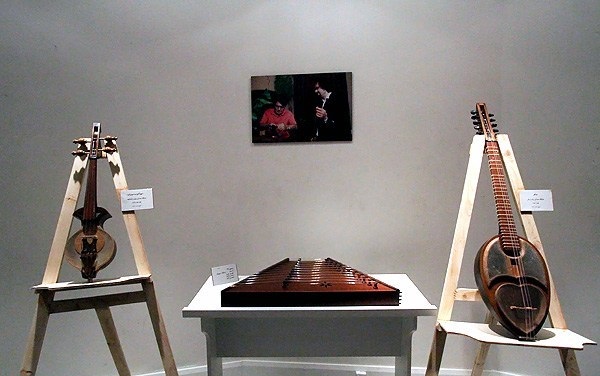
Shajarian’s career included studio recordings, live performances in Iran and abroad, and frequent collaboration with masters of Persian instruments such as the tar, setar and kamancheh. He became an internationally recognised figure, receiving critical praise and awards, and his concerts and albums played a significant role in promoting Persian classical music outside Iran. In 2017 the Los Angeles Times described him as the "greatest living maestro of Persian classical music," reflecting his global reputation.
Public life and notable positions
Beyond music, Shajarian was a public voice on cultural and civic matters. He expressed support for reformist causes and, following the disputed 2009 presidential election in Iran, voiced criticism of the government position and of President Mahmoud Ahmadinejad, which made him a prominent cultural figure linked to wider social debates. His stature meant that his statements were widely reported and often carried symbolic weight for audiences inside and outside Iran.
Illness and death
In 2001 Shajarian was diagnosed with a serious illness, reported as kidney cancer, and he subsequently underwent medical treatments while maintaining a reduced but active artistic life. In January 2020 he was hospitalised and operated on in Tehran. He died on 8 October 2020 in Tehran at the age of 80. His death prompted widespread tributes from musicians, cultural institutions and the public who remembered his artistic achievements and influence.
Notable facts and distinctions
- Shajarian was also an accomplished calligrapher and took a scholarly approach to the texts he sang, often choosing classical and contemporary Persian poetry.
- He played a central role in preserving the radif tradition by teaching and recording, helping to ensure continuity of technique and repertory for future generations.
- His recordings and performances introduced Persian classical music to international audiences and inspired a new generation of performers and listeners.
As both artist and public figure, Mohammad-Reza Shajarian left a lasting legacy in Persian cultural life: a blend of technical excellence, pedagogical commitment and engagement with the social concerns of his time. For readers seeking further biographical detail or recordings, authoritative sources and archival material are available in Persian and other languages through music libraries and specialist sites.
Author
AlegsaOnline.com Mohammad-Reza Shajarian: Master of Persian Classical Music Leandro Alegsa
URL: https://en.alegsaonline.com/art/142801