
Medicare (United States): Overview, Coverage, Eligibility, and Parts
Medicare is the U.S. federal health insurance program for people 65+, certain younger people with disabilities, and those with end-stage renal disease. It includes Parts A, B, C (Advantage) and D drug coverage.
Medicare is the federal health insurance program for many people in the United States. It primarily serves adults aged 65 and older, while also covering some younger people with long-term disabilities and people with end-stage renal disease (ESRD). Established in 1965, Medicare has evolved into a multi-part system combining traditional government-administered benefits with options sold by private insurers. For historical context about its creation see original legislation and history.
Image gallery
7 Images



Structure and main parts
Medicare is commonly described by modular parts that define what services are covered and how beneficiaries receive them. The major components are:
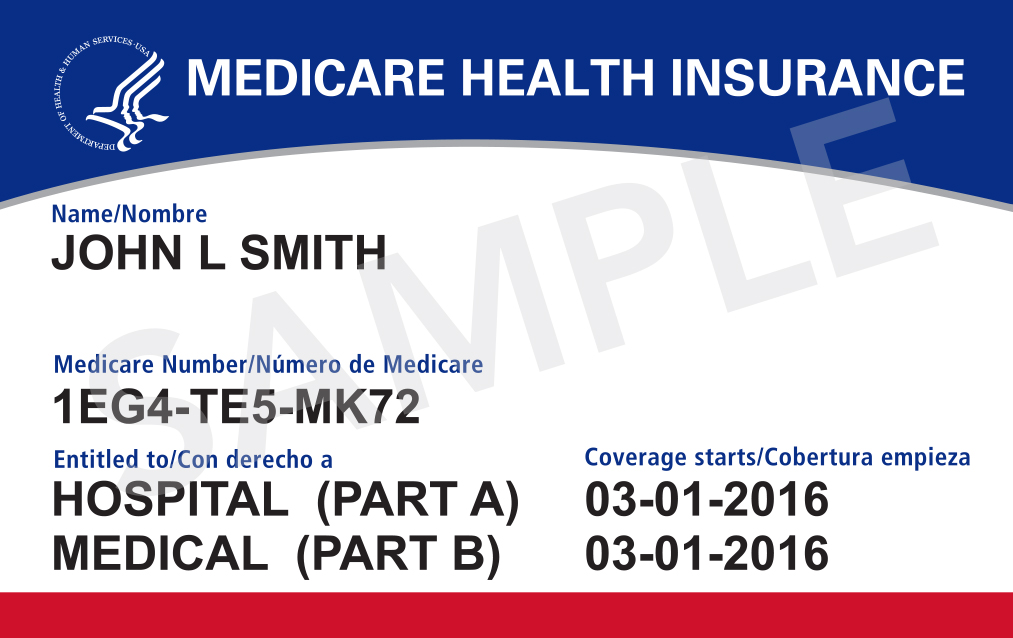
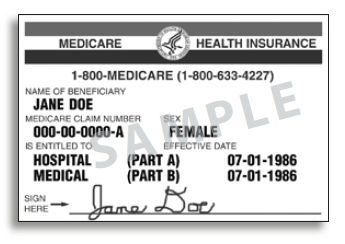
- Part A (Hospital Insurance): Covers inpatient hospital stays, certain skilled nursing facility care, hospice care, and some home health services. It is intended for acute, medically necessary care rather than long-term custodial care.
- Part B (Medical Insurance): Covers physician services, outpatient care, preventive services, and some durable medical equipment. Part B generally helps pay for visits to doctors, outpatient procedures, and preventive screenings.
- Part C (Medicare Advantage): An alternative to Original Medicare (Parts A and B) offered by private plans that contract with Medicare. These plans frequently combine A and B benefits and often include Part D prescription coverage and additional benefits like vision or wellness programs.
- Part D (Prescription Drug Coverage): Provides outpatient prescription drug coverage through plans sold by private insurers. Part D plans vary in formularies, costs, and pharmacy networks.
For a summary of covered services and plan options see program details and benefits.
Eligibility, enrollment, and timing
Most people become eligible for Medicare at age 65. Individuals who are younger may qualify if they have received Social Security disability benefits for a specified period or if they have ESRD; details can vary and special rules apply. Official guides on eligibility are useful for personal circumstances: eligibility rules at a glance and disability and ESRD guidance.
Enrollment occurs through defined periods: the Initial Enrollment Period around one’s 65th birthday, annual enrollment windows for changing plans, and special enrollment periods for people with certain life events. Missing enrollment deadlines can result in delayed coverage or enrollment penalties.
Costs, coverage limits, and important exclusions
Medicare beneficiaries typically share costs with the program through premiums, deductibles, coinsurance, and copayments. While Medicare covers many medical services, it does not generally pay for long-term custodial care (such as assisted living or most nursing home custodial care), routine dental care, routine vision care, or most hearing aids. Many beneficiaries buy supplemental Medigap policies or enroll in Medicare Advantage plans to help manage out-of-pocket costs and expand covered services.
How Medicare is delivered and coordinated
Original Medicare (Parts A and B) is administered by the federal Centers for Medicare & Medicaid Services but benefits are delivered by a broad network of public and private providers. Medicare Advantage and Part D plans are offered by private insurers under contract with Medicare; those plans set networks and additional rules. For questions about hospice, home health, and related benefits see hospice and home health information, and for prescription coverage specifics see prescription drug plan guidance.
Notable distinctions and practical considerations
Medicare is distinct from Medicaid: Medicare is an age- and disability-based federal program, while Medicaid is a means-tested program for low-income people jointly run by states and the federal government. Some people qualify for both programs ("dual eligibles"), which affects how services are paid and delivered. Choosing between Original Medicare, Medicare Advantage, and additional coverage such as Medigap or Part D depends on health needs, finances, preferred providers, and prescription drug requirements.
Because Medicare rules and plan offerings change over time, beneficiaries often consult official resources or licensed advisors to compare current plans, costs, and covered services before enrolling or switching. The program remains a central component of health coverage for millions of older adults and people with qualifying disabilities in the United States.
Author
AlegsaOnline.com Medicare (United States): Overview, Coverage, Eligibility, and Parts Leandro Alegsa
URL: https://en.alegsaonline.com/art/142507