
Old age
Overview of old age: its defining features, common health and social changes, cultural roles, care needs, history of perceptions, and common misconceptions about later life.
Overview
Old age, often called later life or seniority, refers to the stage of life when a person approaches or surpasses typical life expectancy and experiences changes in health, activity and social roles. In many countries, ages around 65 and older are commonly considered part of this phase. Definitions vary by context: legal, medical and social systems may use different thresholds to decide retirement, pension eligibility or services. For a statistical perspective, see discussions of life expectancy and demographic trends.
Image gallery
10 Images





Physical and mental characteristics
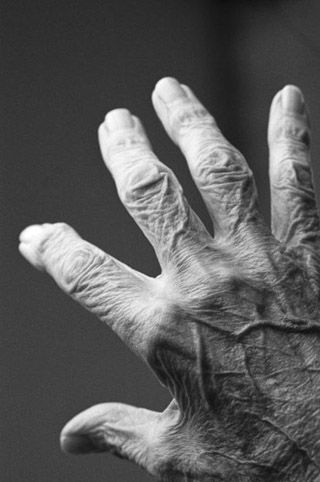
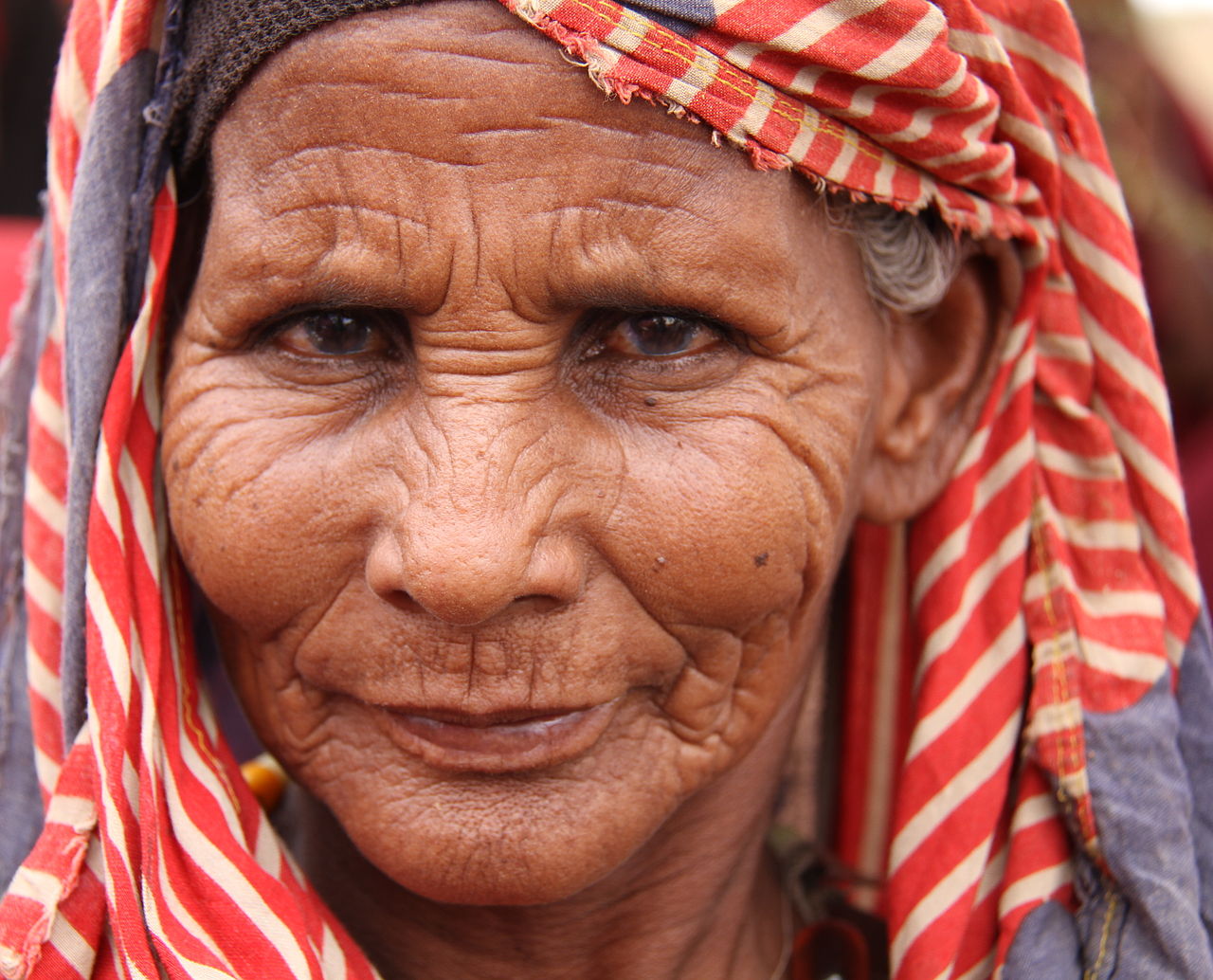
Biological ageing produces a range of predictable changes, though individuals vary widely. Typical observations include reduced muscle strength and mobility, differences in skin texture and temperature regulation, and changes in vision and hearing. Common conditions associated with ageing include:
- Osteoporosis and other musculoskeletal decline that can affect balance and mobility.
- Sensory changes such as visual impairment and hearing loss.
- Cognitive changes that range from normal memory variation to medically significant disorders; health professionals study these patterns in gerontology.
Many older adults take medications to manage chronic conditions; appropriate prescribing and monitoring are important to maintain quality of life. Medical care aims to support independence and function rather than simply treat isolated symptoms.
Social roles, work and family
Retirement is a common transition in later life, and many older people reorganize daily life after leaving paid work. Some choose new activities, volunteer, or provide childcare and practical support to relatives. Caring for grandchildren or other young relatives is a frequent contribution; families may rely on older members for childcare and household help. These kin relationships are often central to an elder's social identity and purpose. See topics on retirement, caregiving and childcare roles.
Culture, respect and knowledge
Across cultures, people who reach old age are commonly called "elders" or "senior citizens." In many societies elders are respected for their life experience and the guidance they provide. Traditions often assign elders roles in mediation, education and the transmission of communal knowledge. The association of age with wisdom reflects long experience, though respect and expectations differ by culture and history; see cultural studies on age and society.
History, demographics and changing patterns
Perceptions of old age have evolved with public health, medical advances and changing family structures. As populations age in many regions, societies face new challenges in pensions, housing and healthcare. Demographers and policymakers use data on life expectancy and age distributions to plan services. Social roles may shift as communities adapt to larger numbers of older adults and changing intergenerational relationships.
Care, misconceptions and notable facts
Care for older people ranges from community-based support to specialized medical services. While age increases the likelihood of chronic conditions, it is inaccurate to assume that all older adults are frail or dependent. Many maintain active, engaged lives and contribute to families and communities. Professionals encourage person-centered approaches, recognizing individual strengths, past experience and preferences. Public information and resources on ageing, health, legal rights and services can be found through organizations linked to research, policy and community care kinship networks and advocacy. For general health topics see materials about medications and safe prescribing. For further reading on social roles, medical care and demographic change, consult resources identified under gerontology and related fields (hearing, vision, bone health). Additional context about families and cultural roles is available through studies of culture, caregiving practices and how communities value elder wisdom.
People seeking practical support or local services should consult trusted local agencies and health professionals. Understanding ageing combines medical facts, social context and respect for individual diversity.


Biological perspective
→ Main article: Aging
Within the framework of biogerontology - i.e. the sub-discipline of developmental biology that deals with research into the causes of ageing and its consequences, senescence - more than 300 possible causes of ageing are discussed today. In particular, theories of wear and tear and cell biological theories based on genetic causes are cited here.
Medical perspective
→ Main article: Geriatrics
Only a few diseases occur exclusively or almost exclusively in old age; many, however, occur more frequently in old age. Geriatrics - the sub-discipline of medicine that deals with the diseases of ageing people - distinguishes between age-associated diseases on the one hand and age syndromes on the other. Age-associated diseases include arteriosclerosis (with heart attack and stroke), arthrosis, dementia, diabetes mellitus, cataracts, cancer and osteoporosis. The syndromes of old age include intelligence decline, immobility, instability (e.g., falls in old age), incontinence (urinary incontinence, fecal incontinence), and sensory decline. The treatment of elderly patients is called gerotherapy.
Related articles
Author
AlegsaOnline.com Old age Leandro Alegsa
URL: https://en.alegsaonline.com/art/72259